India capex pipeline announcements reached Rs 99.7 lakh crore in September 2026, up 39% from a year earlier, according to Union Bank of India Research. IT-enabled services and conventional power drove most of the increase, but the report warned that the growing concentration of planned private investment creates execution and financing risks.
Key Takeaways
- Announced project costs increased 87% over two years, while project numbers rose only 18%.
- IT-enabled services and conventional power supplied 87% of the latest annual net increase.
- UBI Research urged lenders to assess execution, financing and power evacuation arrangements before sanctioning loans.
Table of Contents
- India capex pipeline growth rests on larger projects
- IT services and power lead the increase
- State concentration and transmission gap draw scrutiny
- Conclusion
India capex pipeline growth rests on larger projects
The two-year expansion reflects a shift toward bigger projects rather than a similarly broad increase in investment activity. Announced project costs rose by Rs 46.4 lakh crore over that period, compared with an addition of Rs 7 lakh crore in the eight years to March 2022.
UBI Research said the investment cycle was firmly aligned with Viksit Bharat 2047 aspirations, while cautioning that the recovery was not yet broad-based. The figures describe announced investment plans, not completed capital expenditure.
IT services and power lead the increase
IT-enabled services contributed Rs 16.8 lakh crore to the latest year's net increase, while conventional power added Rs 7.6 lakh crore. Together, they accounted for 87% of the increase.
The IT-enabled services pipeline reached Rs 18.9 lakh crore across 160 projects, up from Rs 2.2 lakh crore a year earlier. Services overall recorded the fastest annual growth, rising 347% to Rs 21.9 lakh crore.
Despite that surge, manufacturing and electricity remained the largest components of the outstanding pipeline. Their respective totals of Rs 41.3 lakh crore and Rs 32.2 lakh crore represented a combined 74% share.
State concentration and transmission gap draw scrutiny
Maharashtra remained the leading destination for announced investment, with Rs 28.6 lakh crore, or around 29% of the total. Alongside Andhra Pradesh, Telangana, Odisha and Uttar Pradesh, it accounted for 94% of the pipeline's annual increase.
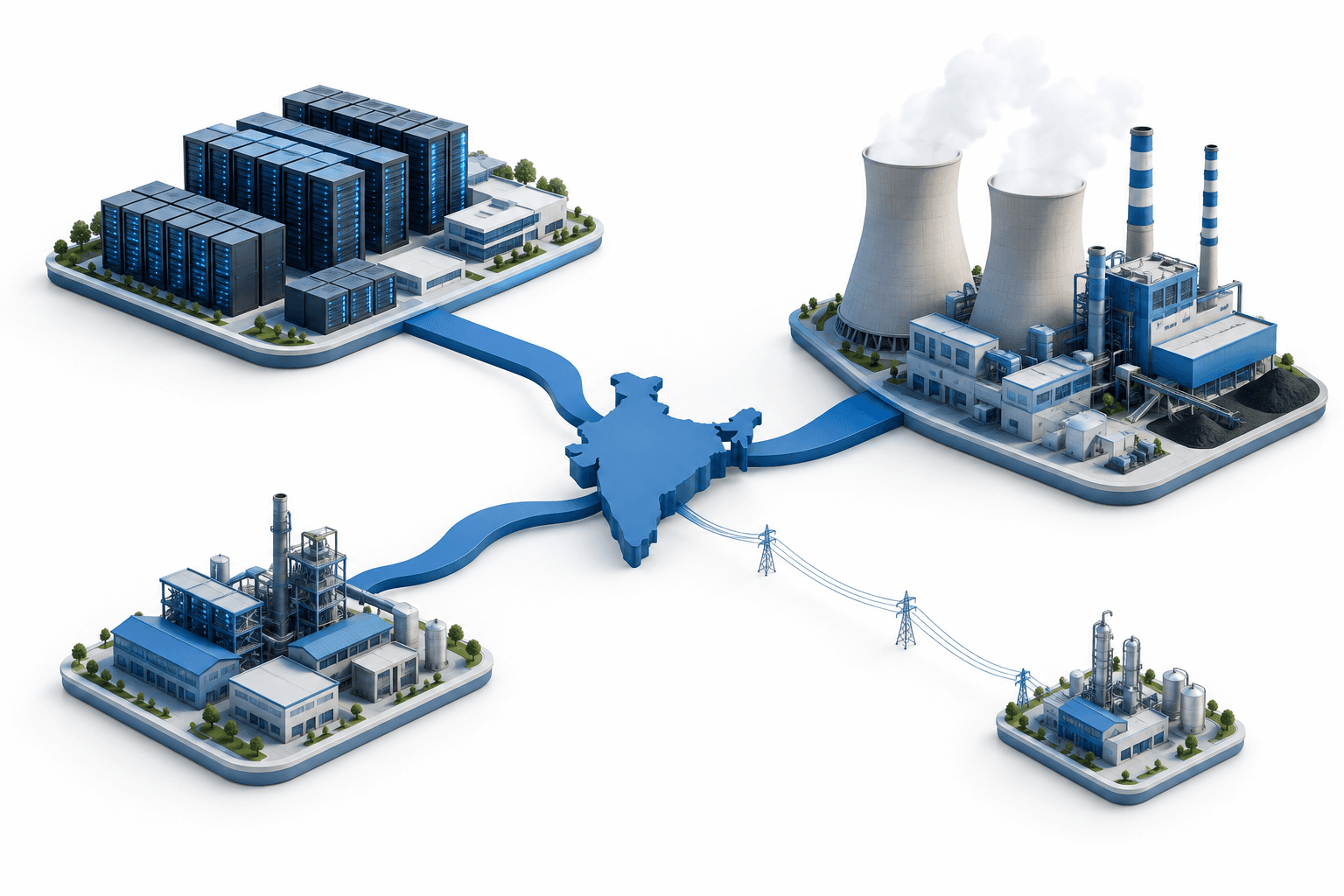
UBI Research also highlighted a mismatch within the power sector: planned generation investment stood at Rs 32 lakh crore, against just Rs 0.17 lakh crore for transmission.
The report identified significant lending opportunities but called for careful assessment of project execution, financing requirements and power evacuation arrangements before loans are sanctioned.
Conclusion
The larger pipeline points to substantial corporate investment plans, but UBI Research's findings underline that growth remains concentrated. Execution capacity and supporting power infrastructure remain central considerations for lenders assessing those plans.
Read More News
Disclaimer
This FinanceVelix article provides general information, not personalized financial, investment, legal, or tax advice. Market prices, interest rates and economic conditions can change; investments carry a risk of loss. Facts reflect the material available when published and may change. Check important information independently and consult a qualified professional when needed. Mentioning an asset, company, or service is not an endorsement.