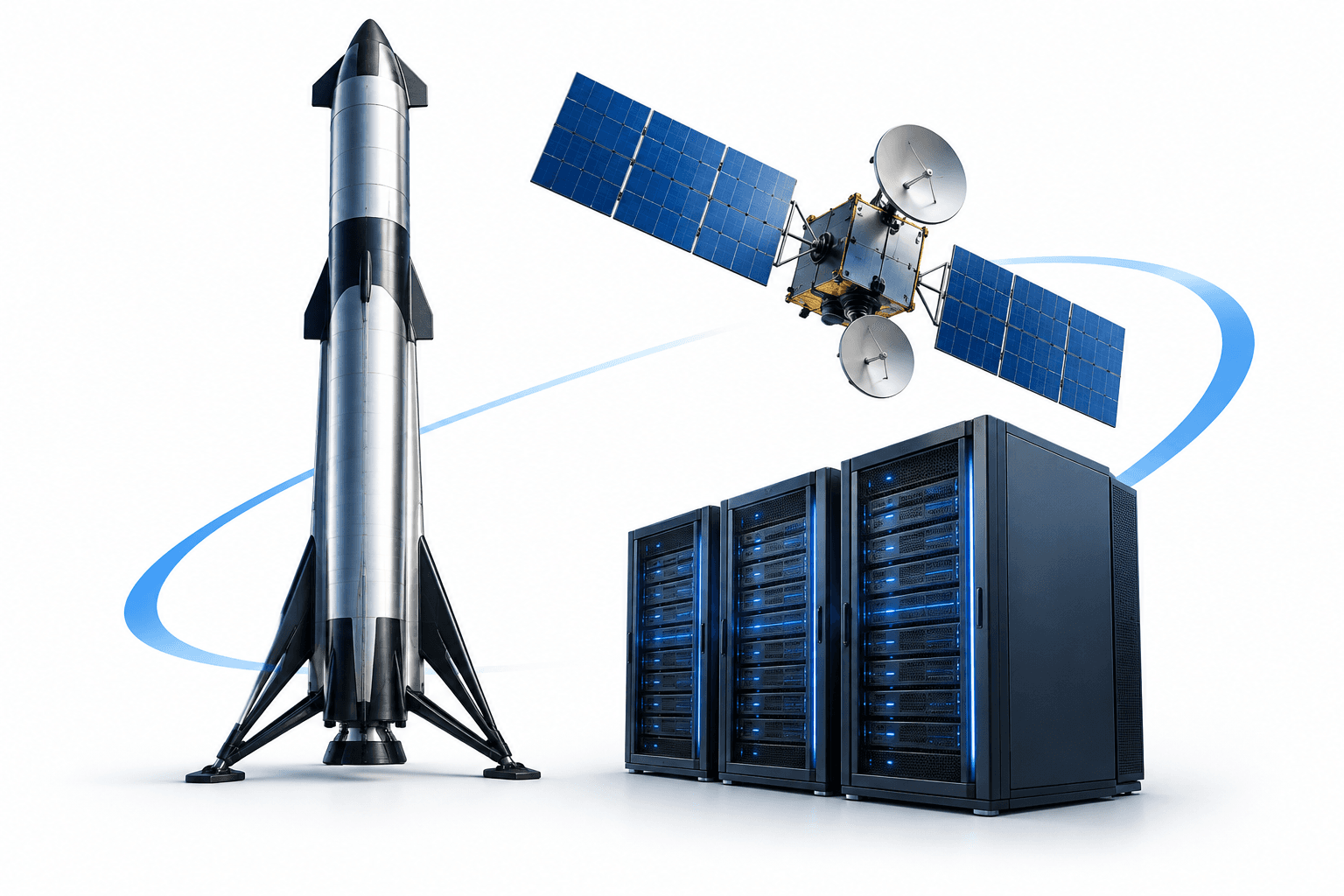
SpaceX earnings showed a return to quarterly profit for the three months ended September 30, 2026, with net income of $4.4 billion and revenue growth of 161%. Shares rose 7.9% on October 21 following the results, as the company reported rapid expansion in its Super Intelligence and Connectivity businesses.
Key Takeaways
- Quarterly revenue reached $14.6 billion, while net income reversed a $1.1 billion loss a year earlier.
- Super Intelligence was the largest quarterly revenue segment, ahead of Connectivity and Space.
- Capital expenditure reached $19.6 billion, with most spending directed toward Super Intelligence infrastructure.
Table of Contents
- SpaceX earnings show a quarterly profit reversal
- Super Intelligence leads revenue as Starlink expands
- Infrastructure investment exceeds quarterly revenue
- Conclusion
SpaceX earnings show a quarterly profit reversal
SpaceX’s third-quarter results announcement showed operating income of $2.8 billion, compared with an operating loss of $273 million in the same period of 2025. Revenue increased from $5.6 billion to $14.6 billion.
Adjusted earnings before interest, taxes, depreciation and amortization reached $8.8 billion, up 306% year over year. This is a non-GAAP measure that excludes items including share-based compensation and should not be treated as a substitute for net income.
The quarterly figures establish that SpaceX was profitable during the reporting period. They do not, by themselves, establish trailing-12-month profitability or show how much cash remained after infrastructure investment.
| Item | Details |
|---|---|
| Super Intelligence | Q3 2026 revenue: $7.560 billion; operating income: $431 million. |
| Connectivity | Q3 2026 revenue: $5.248 billion; operating income: $2.367 billion. |
| Space | Q3 2026 revenue: $1.767 billion; operating loss: $7 million. |
Super Intelligence leads revenue as Starlink expands
Super Intelligence revenue rose 830% year over year. SpaceX attributed the increase primarily to new cloud services agreements, its acquisition of Cursor and increased adoption of Grok. Cursor, acquired on August 14, contributed $608 million of revenue between the closing date and September 30.
Connectivity revenue increased 69%, supported by consumer subscriptions and enterprise and government business. Starlink consumer subscribers reached 13.6 million, up from 12 million at the end of June and 7.2 million a year earlier.
The Space business grew more slowly, with revenue increasing 6% year over year. SpaceX completed its first revenue-generating Starship mission during the quarter, delivering 26 Starlink V3 satellites. Despite that milestone, the segment recorded a small operating loss.
Infrastructure investment exceeds quarterly revenue
Capital expenditure totaled $19.6 billion, including $16.4 billion in Super Intelligence. That segment’s nameplate compute capacity reached 1.7 gigawatts at September 30, compared with 0.6 gigawatts a year earlier.
The spending exceeded quarterly revenue, highlighting the scale of the infrastructure buildout alongside the improvement in earnings. Capital expenditure and accounting profit measure different things, so the reported net income alone does not establish the company’s funding needs.
After the quarter ended, SpaceX entered an October 8 agreement to acquire a nationwide portfolio of low-band spectrum licenses in the 800 MHz band. The transaction is intended to advance Starlink Mobile and is expected to close in the first half of 2027, subject to regulatory approval and other customary conditions.
Conclusion
SpaceX’s third quarter paired strong revenue growth with a return to profit, but also substantial infrastructure investment. The planned spectrum acquisition is a confirmed next milestone, with closing expected in the first half of 2027 if regulatory and other conditions are met.
Read More News
Disclaimer
This FinanceVelix article provides general information, not personalized financial, investment, legal, or tax advice. Market prices, interest rates and economic conditions can change; investments carry a risk of loss. Facts reflect the material available when published and may change. Check important information independently and consult a qualified professional when needed. Mentioning an asset, company, or service is not an endorsement.