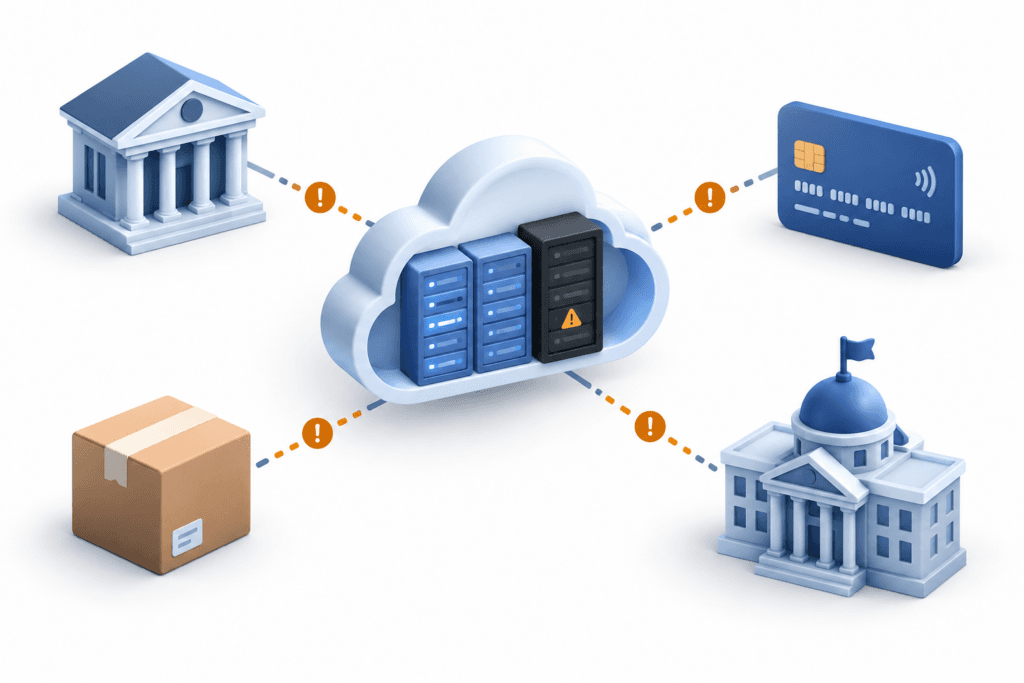
Tokenized stocks gained trading activity overseas in the third quarter of 2026, even as major US companies resisted a proposed domestic trading model. As of October 21, 16 companies had objected to having tokenized versions of their shares traded on OKXICE, highlighting a divide between investor demand for blockchain-based exposure and issuers’ willingness to participate.
Key Takeaways
- Blockchain-based equity trading expanded sharply during the third quarter of 2026.
- Goldman Sachs, Microsoft and Alphabet are among 16 companies objecting to the OKXICE model.
- The debate centers on issuer consent and whether tokens provide the rights attached to ordinary shares.
Table of Contents
- Tokenized stocks gain trading momentum
- Issuer objections narrow OKXICE participation
- Shareholder rights separate the trading models
- Conclusion
Tokenized stocks gain trading momentum
Bitwise Asset Management’s quarterly staking report shows expanding activity across several blockchain markets. Average daily Stock Token volume on Robinhood Chain rose 22-fold from July to September, while tokenized equity volume on Solana reached $6.93 billion, up 45%.
The Bitwise third-quarter network review also shows that non-crypto markets accounted for 36.5% of Hyperliquid’s perpetuals volume, compared with 32.7% in the previous quarter. That is a broader measure than equity trading alone: non-crypto perpetuals should not be treated as equivalent to ownership of tokenized shares.
The figures demonstrate growing demand for blockchain-based access to traditional markets. They do not establish that investors receive the same ownership, voting or other shareholder rights available through conventional stock purchases.
| Item | Details |
|---|---|
| Growth period | Third quarter of 2026, covering July through September. |
| US exemption | The SEC issued its innovation exemption on September 17, 2026. |
| Venue notice | The SEC lists OKXICE’s submission date as October 4, 2026. |
| Objection count | 16 companies had objected to OKXICE tokenization as of October 21, 2026. |
Issuer objections narrow OKXICE participation
Goldman Sachs, Microsoft, Qualcomm, Caterpillar, McDonald’s, Western Digital and Alphabet were named in an October 19 notice as objecting to tokenized versions of their shares on OKXICE. Earlier objectors included CoreWeave, UnitedHealth, Broadcom, Applied Digital, AppLovin and Cerebras.
OKXICE, the tokenized securities venture launched by crypto exchange OKX and New York Stock Exchange parent Intercontinental Exchange, originally disclosed plans on October 4 to make more than 60 tokenized stocks available.
The objections concern this particular venue and model. They do not establish that the companies oppose every form of securities tokenization, and the disclosed objections do not explain each issuer’s reasoning.
Shareholder rights separate the trading models
The SEC’s September 2026 innovation exemption created a temporary pathway for tokenized-stock trading in the United States, including an opportunity for issuers to object. Under the framework described for OKXICE, the venue must notify companies and wait 30 days after receipt before trading their tokens.
Mirza Uddin, chief operating officer of Injective, said much overseas activity involves price exposure through perpetual contracts and wrapped tokens, whereas the US framework seeks to put actual shares onchain and gives issuers a say. He identified issuer control and unclear voting rights as concerns.
ClearStreet analyst Owen Lau said wider distribution, round-the-clock access and an expanded investor base could eventually persuade some companies to participate. Those are potential benefits, not outcomes established by the current trading figures.
OKXICE co-chairman Andrew Cuomo said the model was designed to accommodate companies that participate and those that opt out. He also noted limits on the number of participating companies and trading volume.
Conclusion
The next milestone is completion of the required notice period for any OKXICE tokens that proceed to trading. Growing overseas activity demonstrates demand, but issuer participation and the rights attached to each product remain separate questions.
Read More News
Disclaimer
This FinanceVelix article provides general information, not personalized financial, investment, legal, or tax advice. Market prices, interest rates and economic conditions can change; investments carry a risk of loss. Facts reflect the material available when published and may change. Check important information independently and consult a qualified professional when needed. Mentioning an asset, company, or service is not an endorsement.