Dune data feeds launched on October 22, 2026, giving institutional trading systems real-time market information from more than 200 onchain venues. The blockchain analytics company is targeting firms that need to compare decentralized markets before committing capital.
Key Takeaways
- The service combines decentralized spot trading with perpetual futures data.
- Dune says early users include quant funds, market makers, asset managers and bank trading desks.
- Access to market data does not mean those institutions have begun trading directly onchain.
Table of Contents
- Dune data feeds standardize fragmented markets
- Institutions use the feeds before committing capital
- Cleaner data does not remove trading barriers
- Conclusion
Dune data feeds standardize fragmented markets
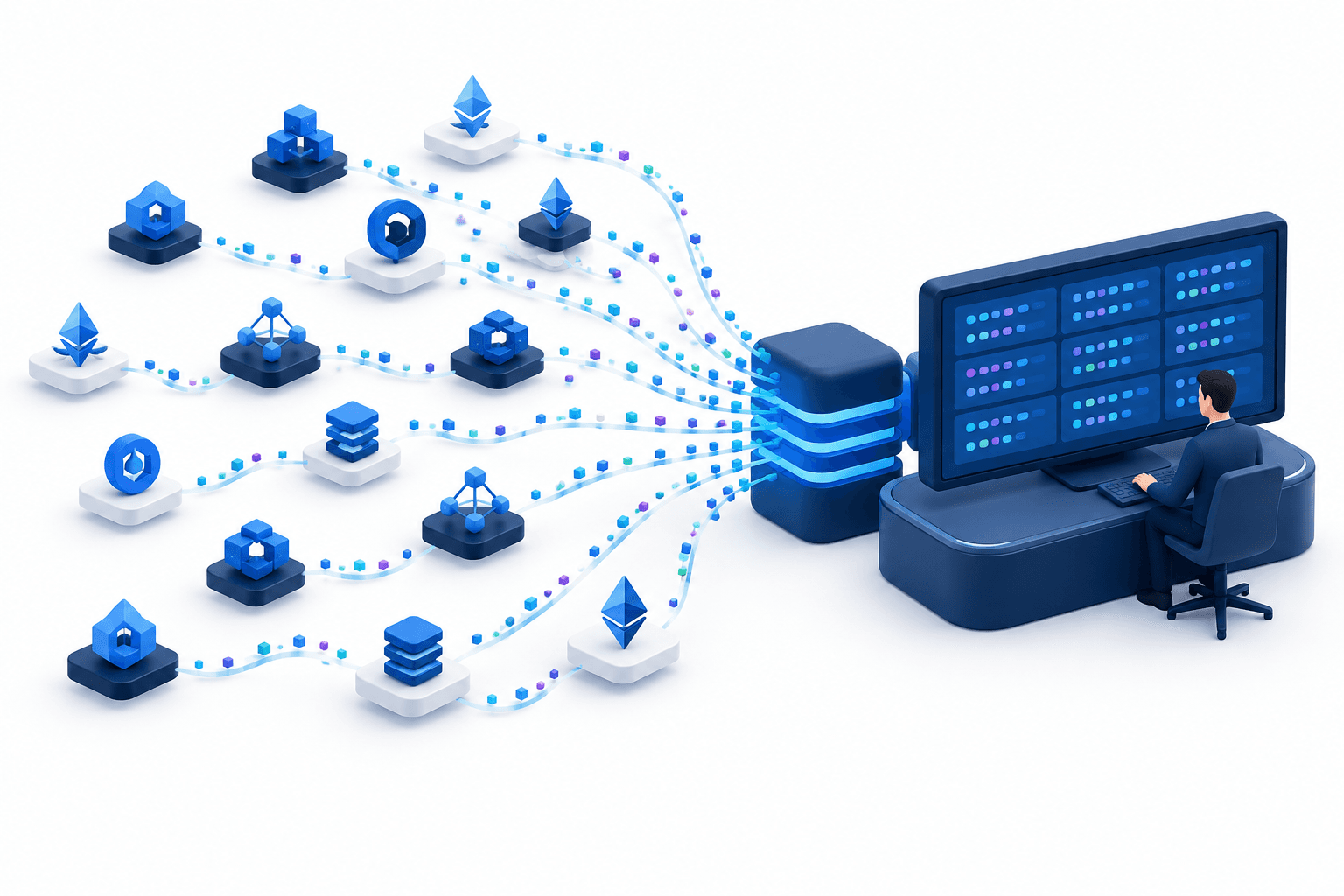
The service covers 12 blockchains, including Ethereum, Solana, Base and XLayer. Spot coverage spans decentralized exchanges, while perpetual futures coverage includes Hyperliquid and Lighter.
Dune’s market data feed announcement describes normalized spot and perpetual trade data resolved by instrument, venue, trade side and US dollar value. That common format gives trading systems a consistent way to process activity that would otherwise arrive from separate blockchain markets.
| Item | Details |
|---|---|
| Launch date | October 22, 2026 |
| Venue coverage | More than 200 onchain trading venues |
| Blockchain coverage | 12 blockchains |
| Delivery speed | Approximately one second, as described by Dune |
Institutions use the feeds before committing capital
Co-founder and CEO Fredrik Haga said the first clients include quantitative funds, market makers, asset managers and bank trading desks. He declined to identify them, citing nondisclosure agreements.
Dune said those firms use the information to assess liquidity, compare prices across venues and evaluate trading strategies before committing capital. These are market-monitoring and preparation activities, rather than evidence that clients are executing trades directly onchain.
“Most institutions are watching onchain markets first, because they can’t price these assets properly without them anymore,” Haga said.
Cleaner data does not remove trading barriers
Haga expects direct institutional trading to follow as liquidity improves and regulatory rules develop. That is his expectation, not an announced client rollout or a confirmed timetable.
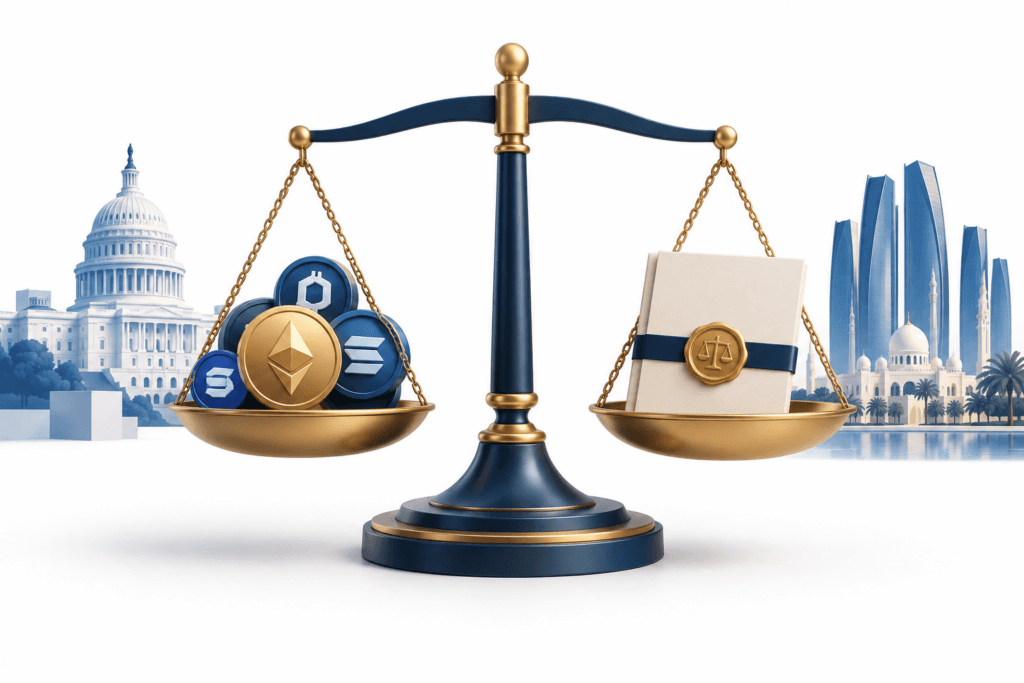
He identified fragmentation as a continuing obstacle: instruments can trade across multiple venues and chains, making it difficult to establish where trading activity and liquidity sit. Standardizing those observations addresses the information problem, but does not itself consolidate liquidity or resolve regulatory questions.
Conclusion
The feeds are live, while the institutional clients remain unnamed. Haga’s expectation of broader direct onchain trading has no confirmed timetable.
Read More News
Disclaimer
This FinanceVelix article provides general information, not personalized financial, investment, legal, or tax advice. Market prices, interest rates and economic conditions can change; investments carry a risk of loss. Facts reflect the material available when published and may change. Check important information independently and consult a qualified professional when needed. Mentioning an asset, company, or service is not an endorsement.