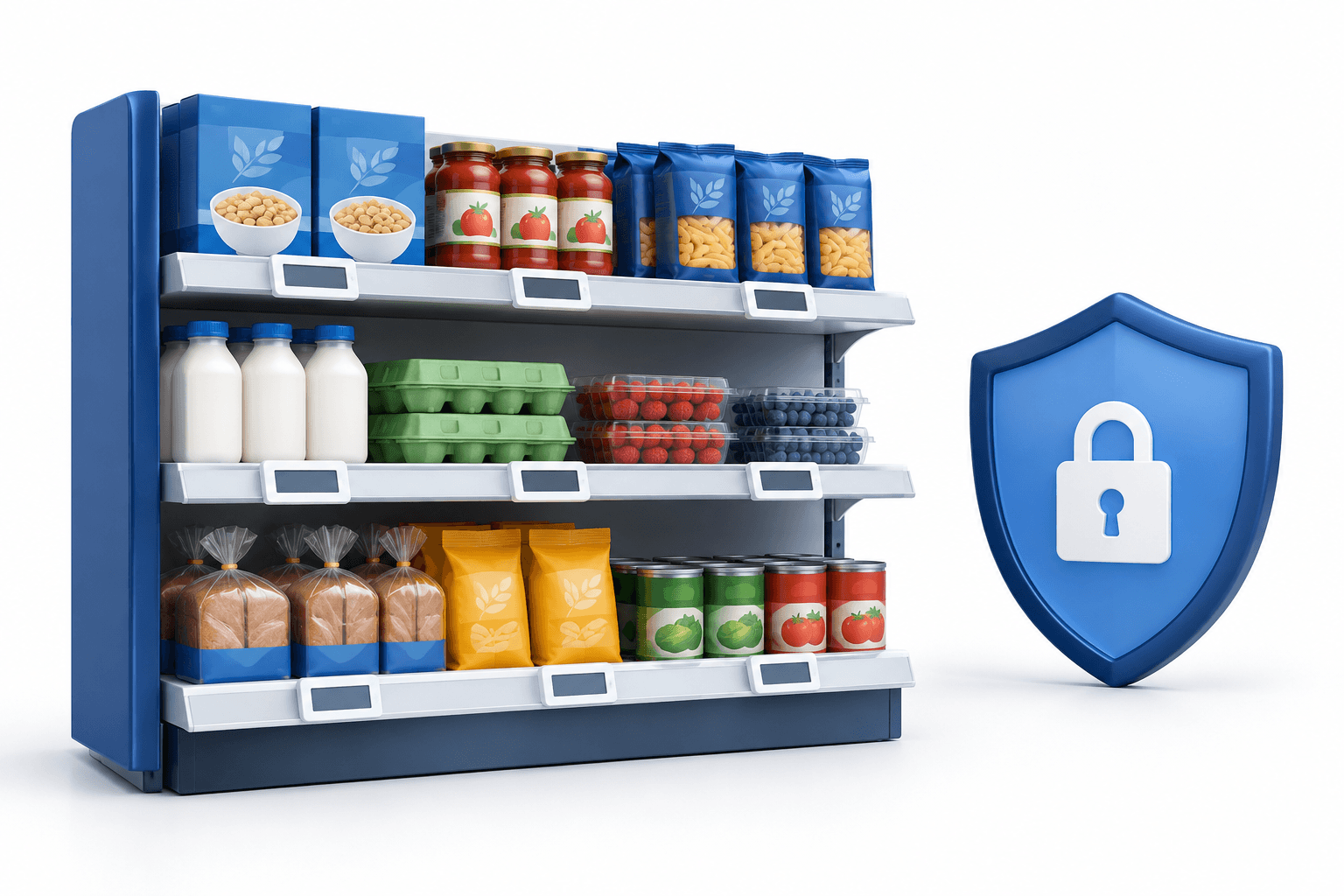
Walmart digital labels are drawing scrutiny over pricing fairness and consumer privacy as retailers adopt electronic shelf displays. In an October 5, 2026 statement, Walmart rejected claims that its rollout would enable personalized or weather-driven price increases, saying the labels display approved prices rather than decide what shoppers pay.
Key Takeaways
- Walmart says it does not and will not use personal information to set individualized prices.
- The retailer describes digital shelf labels as a replacement for paper tags, not an independent pricing system.
- The technology’s potential capabilities do not establish how Walmart actually uses it.
Table of Contents
- Walmart digital labels: displays versus pricing decisions
- Privacy concerns require evidence of actual use
- Conclusion
Walmart digital labels: displays versus pricing decisions
The central question is whether faster electronic price updates mean customers could be charged according to their personal circumstances. Walmart says that is not how its system operates: digital shelf labels replace paper tags and make approved changes easier to display consistently.
In its October 5 pricing statement, Dan Bartlett, Walmart’s executive vice president of corporate affairs, said the company does not and will not use a customer’s personal information, income, shopping history, urgency or willingness to pay to set an individualized price.
Walmart also denied engaging in dynamic pricing, giving price increases during hot weather or an approaching snowstorm as examples. It said the labels neither identify customers nor independently set prices.
That distinction matters: changing how quickly a shelf display can be updated is not, by itself, evidence that a retailer changes prices in response to individual shoppers or short-term demand.
| Item | Details |
|---|---|
| Product combinations | Walmart says adding tuna to a cart does not cause it to charge that customer more for mayonnaise. |
| Sparky shopping assistant | Walmart says information shared with Sparky is not used to raise a customer’s individual prices. |
| Higher basket totals | Walmart argues that higher average order values alone do not establish that customers paid higher prices for the same items. |
Privacy concerns require evidence of actual use
The broader debate concerns whether increasingly sophisticated retail software could enable unfair pricing or privacy infringements. Walmart’s response establishes its stated practices and commitments; it is not an independent assessment of all the company’s data systems.
Bartlett also challenged the use of patents as proof of deployment. A patent can describe a possible capability without demonstrating that Walmart has introduced it, used it with customers or decided to do so.
For shoppers, the practical distinction is between data collection, the rules used to determine prices and the screens displaying those prices. Treating those as the same process risks turning a concern about possible technology uses into an unsupported claim about current operations.
Conclusion
As Walmart continues its digital-label rollout, the practical issue to watch is implementation of its stated pricing commitments—not simply what electronic displays could theoretically enable.
Read More News
Disclaimer
This FinanceVelix article provides general information, not personalized financial, investment, legal, or tax advice. Market prices, interest rates and economic conditions can change; investments carry a risk of loss. Facts reflect the material available when published and may change. Check important information independently and consult a qualified professional when needed. Mentioning an asset, company, or service is not an endorsement.