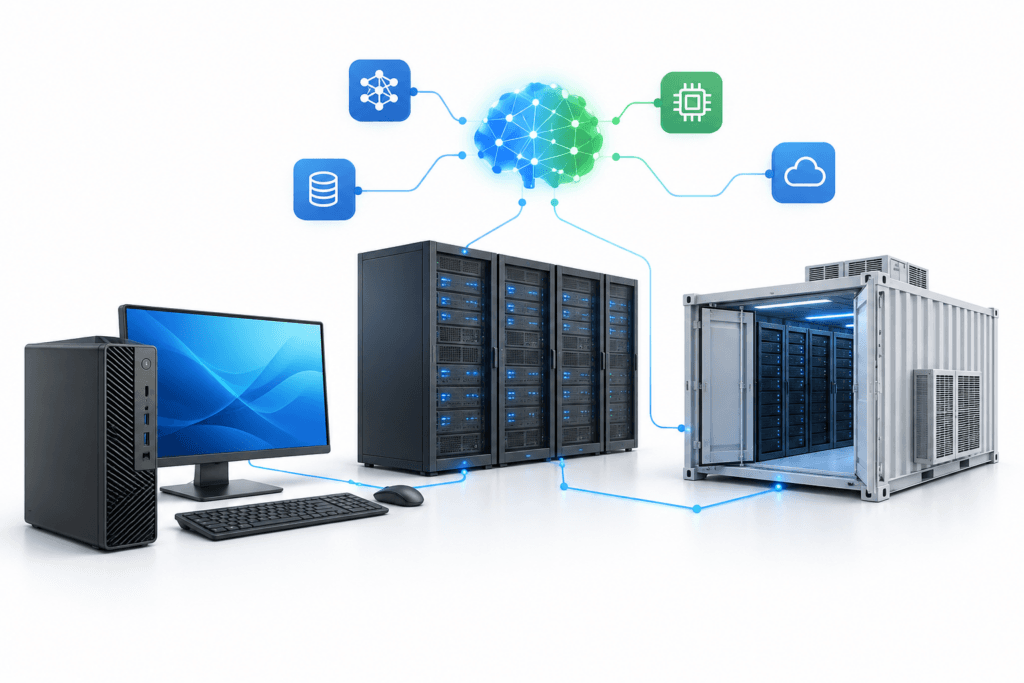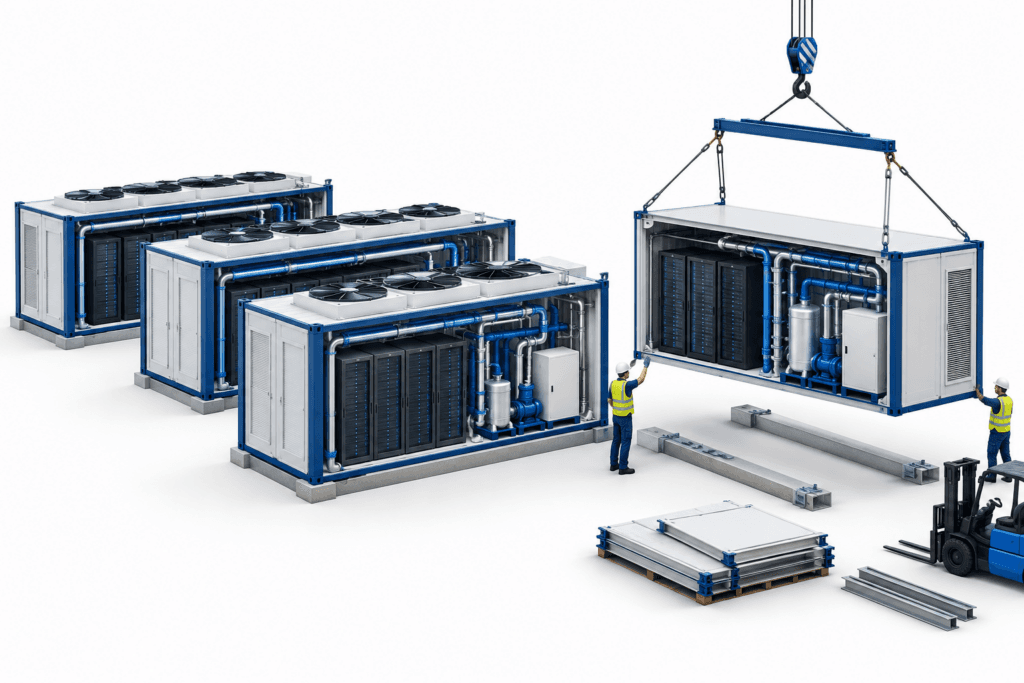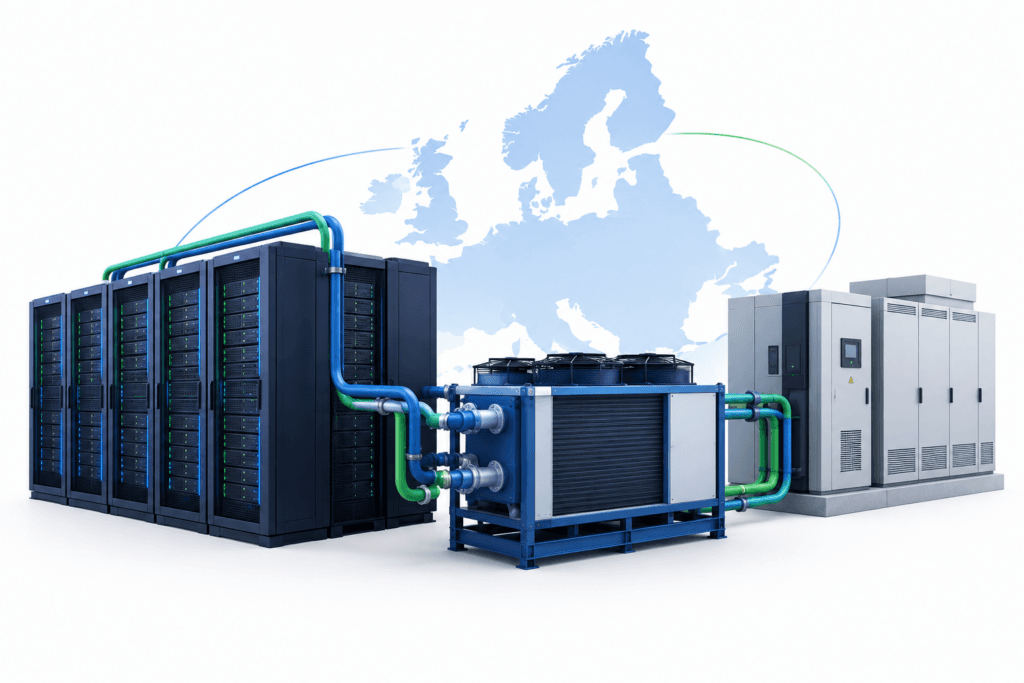
NVIDIA Agent Toolkit is expanding with a new foundation for connecting enterprise agents to company data, alongside models and tools for controlling their activity. In its October twenty-first, 2026 report, NVIDIA described deployments across its own supply chain and enterprise software platforms, putting business-data access at the center of the open-source toolkit’s latest expansion.
Key Takeaways
- The new Agent Knowledge Foundation connects company information with business concepts so agents can retrieve context and support predictions.
- NVIDIA identified deployments involving Palantir, Databricks and Snowflake, although the implementations differ by platform.
- NVIDIA also cited retrieval improvements at Amazon OpenSearch Service, SAP and ServiceNow; those results concern individual model uses, not the toolkit as a whole.
Table of Contents
- What NVIDIA Agent Toolkit adds for company data
- Where enterprise deployments stand
- What the retrieval results establish
- How access and agent improvement are controlled
- Conclusion
What NVIDIA Agent Toolkit adds for company data
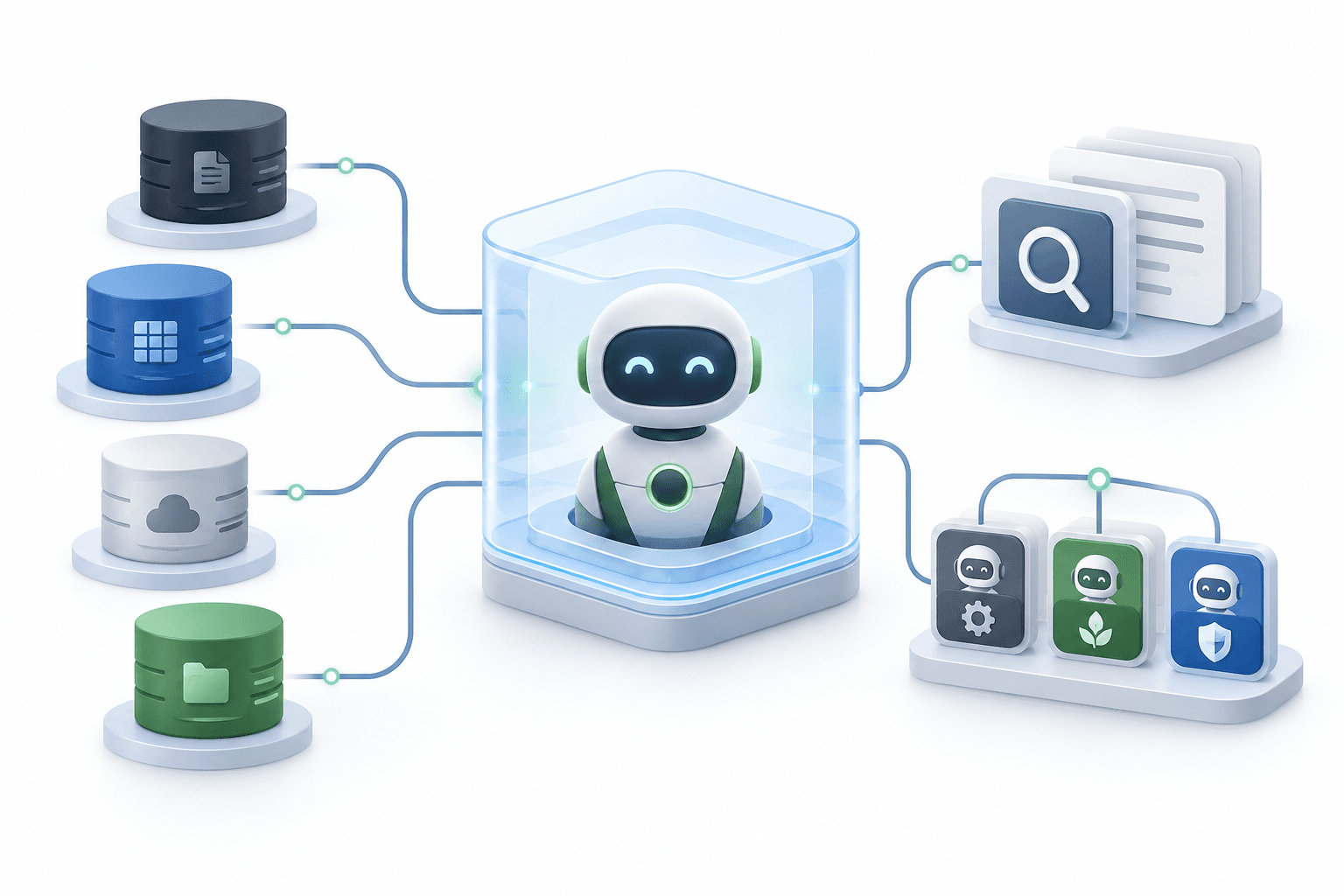
The central addition is NVIDIA Agent Knowledge Foundation, which combines data-processing libraries with retrieval and structured-data models. NVIDIA says companies can use it while retaining their existing data locations, workflows and governance controls.
Its new Auto-Ontology library gives agents a business-oriented interpretation of raw information. Rather than treating records only as isolated data points, it identifies concepts such as customers, products and orders and establishes connections among them. That context is intended to help agents answer business questions and support decisions.
The foundation incorporates CUDA-X libraries including cuDF, cuGraph, cuML, cuOpt and cuVS. Its model selection includes Nemotron Retriever and the Kumo Structured family: Kumo Tabular, Kumo Relational, Kumo Time Series and Kumo Forecast.
| Item | Details |
|---|---|
| NVIDIA OpenShell | Secure runtime that lets enterprises restrict agent access and actions. |
| NVIDIA NemoClaw blueprints | Reference designs for constructing secure agents tailored to specialized work. |
| Newest NemoClaw optimization blueprint | Step-by-step starting framework for improving agent intelligence. |
Where enterprise deployments stand
NVIDIA’s supply chain organization is using the foundation with Palantir’s Foundry, Ontology and AIP. According to NVIDIA, that implementation supports specialized agents working with proprietary information for prediction and decision optimization. It is an internal deployment described in the report, rather than merely a proposed application.
Databricks is combining its Genie Ontology with NVIDIA Kumo Anomaly for agents that use contextual information. Snowflake’s approach puts Kumo Engine and Kumo Relational models inside Snowflake Notebook environments, enabling customers to add predictive functions there.
These examples show different routes into enterprise use: an operational deployment at NVIDIA, a Databricks integration and customer-facing access through Snowflake’s notebook environment. They should not be read as identical implementations or evidence of equivalent outcomes.
What the retrieval results establish
NVIDIA cited several results for Nemotron Retriever, separating search and reranking improvements from the broader promise of enterprise agents. At Amazon OpenSearch Service, the embedding model improved relevance while reducing search steps, with virtually no additional latency, according to NVIDIA.
The company said SAP’s fine-tuned reranker operated nearly three times faster. It also said ServiceNow improved reranking quality while reducing latency by nearly a quarter. The report does not provide a common benchmark that would make those results directly comparable.
Zoom is using Nemotron Retriever for document understanding, search relevance and context retrieval in Zoom AI Services. NVIDIA did not attach a quantified performance result to that deployment.
How access and agent improvement are controlled
The expansion is not limited to supplying agents with more information. Its accompanying components address execution boundaries, specialized-agent design and optimization, with distinct responsibilities summarized below.
NVIDIA describes the newest NemoClaw optimization blueprint as a starting point for improving agent intelligence over time. That is a reference design for builders, not evidence that every enterprise deployment has already achieved an improvement. The report also lists NeMo Relay and NeMo Compass among the toolkit’s tools and skills, without detailing their roles.
Conclusion
The expansion brings company-data interpretation, retrieval and execution controls into the same toolkit. Its strongest concrete evidence is the set of named implementations and model-level results; those examples do not establish a single performance outcome for the complete agent stack.
Read More News
Disclaimer
This FinanceVelix article provides general information, not personalized financial, investment, legal, or tax advice. Market prices, interest rates and economic conditions can change; investments carry a risk of loss. Facts reflect the material available when published and may change. Check important information independently and consult a qualified professional when needed. Mentioning an asset, company, or service is not an endorsement.