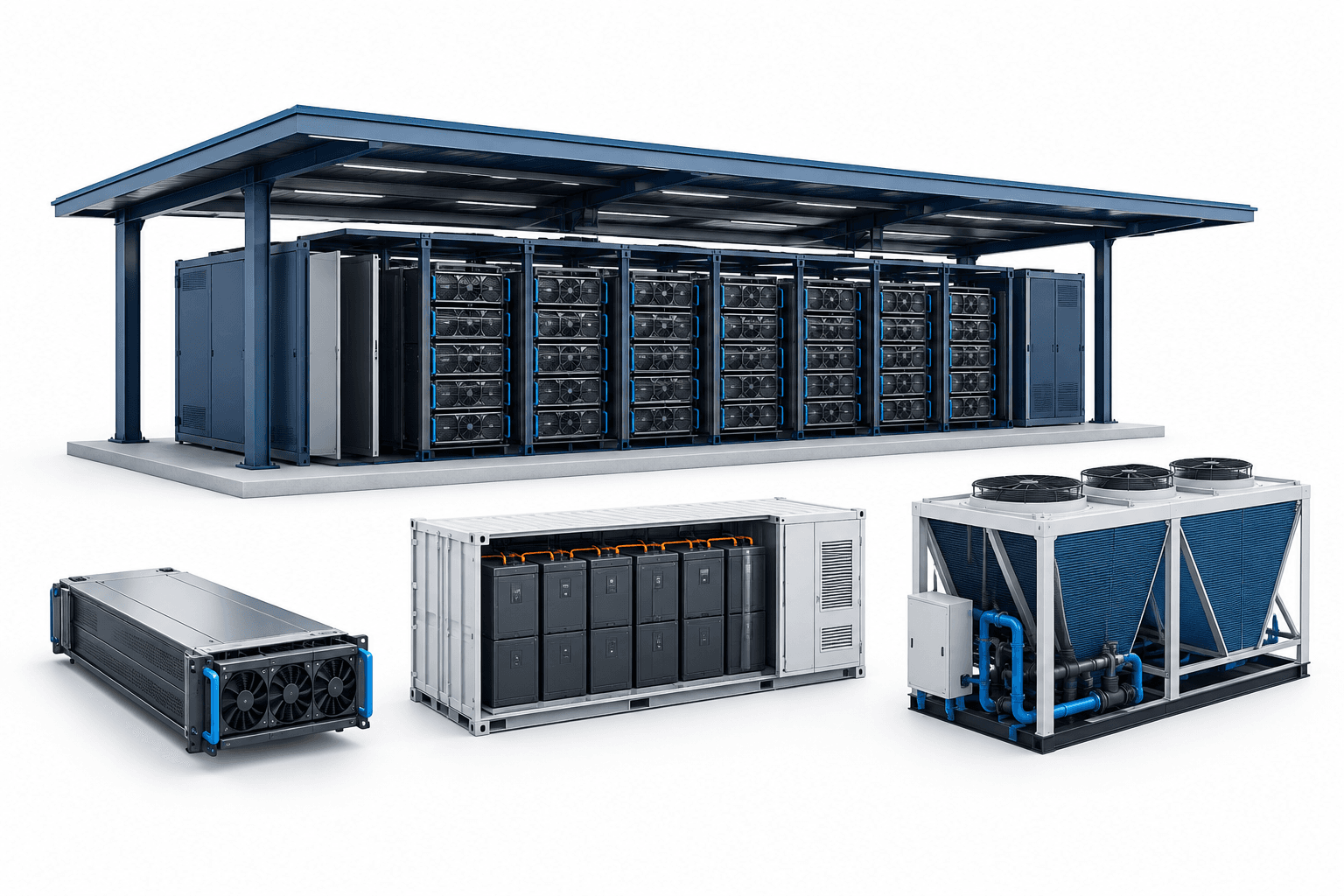
Auddia said on October 21, 2026, that it had completed Phase 1 of its LT350 project with Fresh Consulting, advancing a proposed distributed AI datacenter canopy platform toward detailed engineering and pilot fabrication. The company said the feasibility work supported moving into the next development phases; it did not mark the deployment of an operational datacenter.
Key Takeaways
- Auddia said Phase 1 established the feasibility of LT350’s core engineering concepts.
- Phases 2 and 3 are planned to cover detailed design, further engineering and pilot-unit fabrication.
- The datacenter initiative extends beyond Auddia’s existing AI-driven audio products.
Table of Contents
- LT350 project advances from feasibility to detailed design
- Datacenter development broadens Auddia’s technology focus
- Conclusion
LT350 project advances from feasibility to detailed design
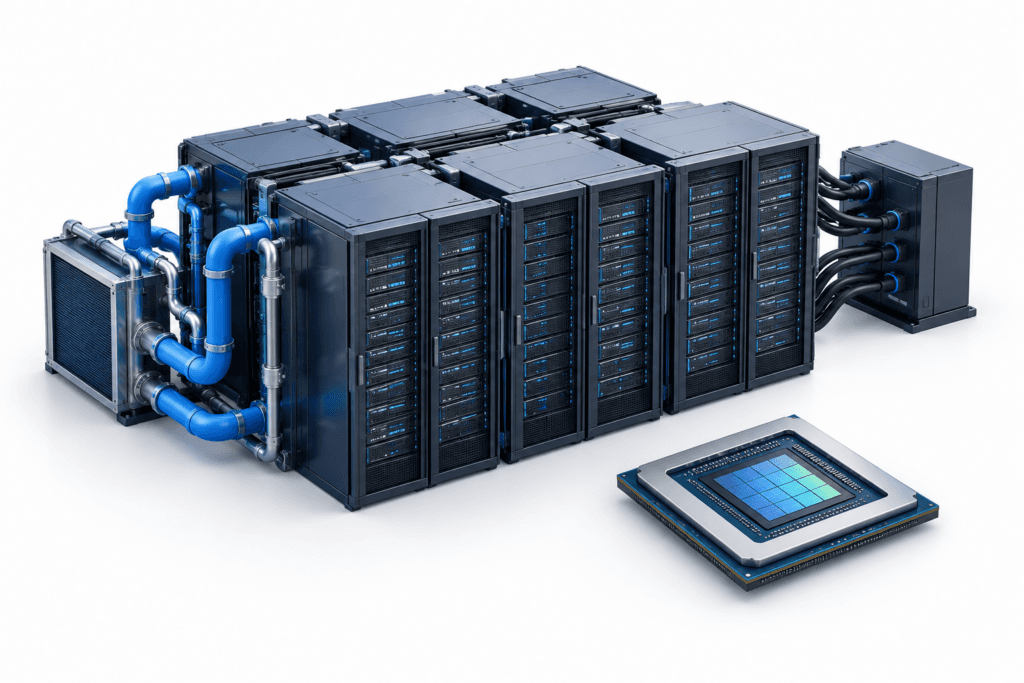
The collaboration with Fresh Consulting examined whether the proposed canopy platform’s structural, computing, power and cooling systems could work together. Auddia described the results as supporting both the feasibility and scalability of the design.
The next stages will move beyond those initial studies into detailed design, more complex engineering and the fabrication of pilot units. These remain planned development activities rather than completed installations.
That distinction matters: Phase 1 supports continuing the engineering program, while pilot units would provide a further step toward the company’s first operational canopy. The milestone is therefore technical progress, not evidence that commercial deployment has begun.
| Item | Details |
|---|---|
| Structure | Phase 1 included structural-design feasibility studies. |
| Computing | The design work examined modular GPU cartridges. |
| Power | Battery-storage integration and microgrid controls were part of the feasibility scope. |
| Cooling | Thermal management was assessed for high-density GPU environments. |
Datacenter development broadens Auddia’s technology focus
Auddia’s established products focus on AI-driven audio. Its faidr’s AI-powered listening features use audio classification to distinguish music, advertising and DJ talk, allowing listeners to customize radio playback. The app also offers podcast listening.
The Boulder, Colorado-based company also operates Discovr Radio, a music-promotion platform for artists and labels. LT350 adds a hardware and infrastructure development effort alongside those audio offerings.
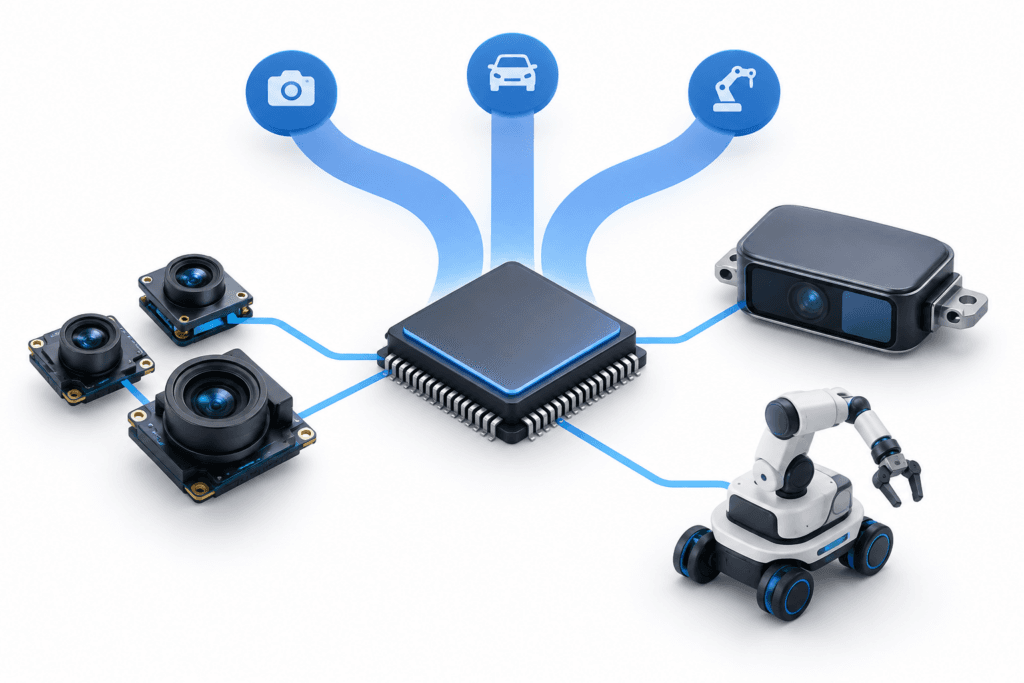
The common thread is artificial intelligence, but the development requirements differ. LT350’s feasibility work addresses physical structures, GPU hardware, energy systems and thermal management rather than the listening features of Auddia’s consumer applications.
Conclusion
The next planned steps for LT350 are detailed engineering and pilot-unit fabrication in Phases 2 and 3. Those stages will move the project closer to an operational canopy, beyond the feasibility milestone Auddia has announced.
Read More News
Disclaimer
This FinanceVelix article provides general information, not personalized financial, investment, legal, or tax advice. Market prices, interest rates and economic conditions can change; investments carry a risk of loss. Facts reflect the material available when published and may change. Check important information independently and consult a qualified professional when needed. Mentioning an asset, company, or service is not an endorsement.