The Winnebago outlook issued on October 21, 2026, calls for an adjusted EBITDA margin at or slightly below the prior year’s level, with no significant recovery in recreational vehicle or marine retail demand assumed. The manufacturer also announced structural cost-cutting initiatives targeting $70 million to $80 million in cumulative gross savings over fiscal 2027–2029.
Key Takeaways
- Management expects adjusted EBITDA margin to be flat or slightly lower than last year.
- The outlook does not depend on a meaningful rebound in RV or marine retail sales.
- Planned structural savings total $70 million to $80 million across fiscal 2027–2029.
Table of Contents
- Winnebago outlook does not assume a retail rebound
- Cost reductions extend across three fiscal years
- RV and marine brands share the demand challenge
- Conclusion
Winnebago outlook does not assume a retail rebound
Management’s forecast reflects continuing retail challenges across both recreational vehicles and marine products. Rather than building a significant demand recovery into its expectations, Winnebago is planning around continued difficult conditions.
The margin forecast describes expected profitability relative to revenue, not a reported earnings result. A flat margin would not, by itself, mean unchanged dollar earnings: that would also depend on the level of sales.
| Item | Details |
|---|---|
| RV brands | Grand Design, Newmar and Winnebago. |
| Pontoon boats | Barletta is part of the marine portfolio, not a towable RV brand. |
| Premium boats | Chris-Craft manufactures hand-crafted premium boats. |
Cost reductions extend across three fiscal years
The structural cost-cutting program targets cumulative gross savings of $70 million to $80 million over fiscal years 2027 through 2029. That is a multiyear target, rather than an annual savings figure or a benefit already realized.
The distinction between gross savings and earnings is important. The target should not be treated as an equivalent increase in profit, and the announcement does not provide a year-by-year savings schedule. Execution of the program will therefore be a separate measure to track alongside retail demand and margins.
RV and marine brands share the demand challenge
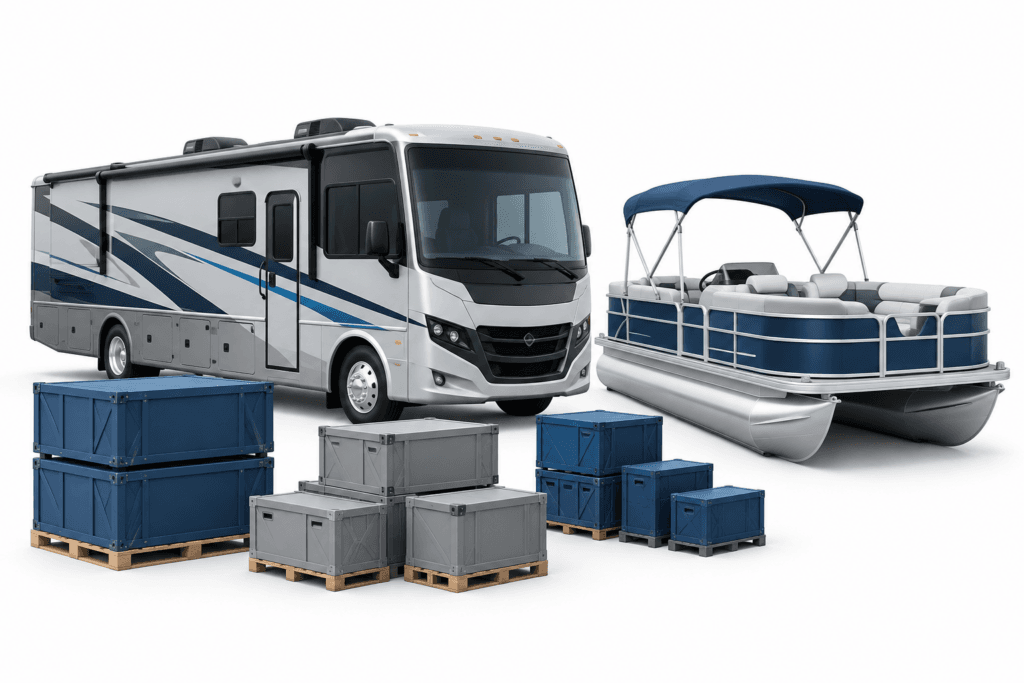
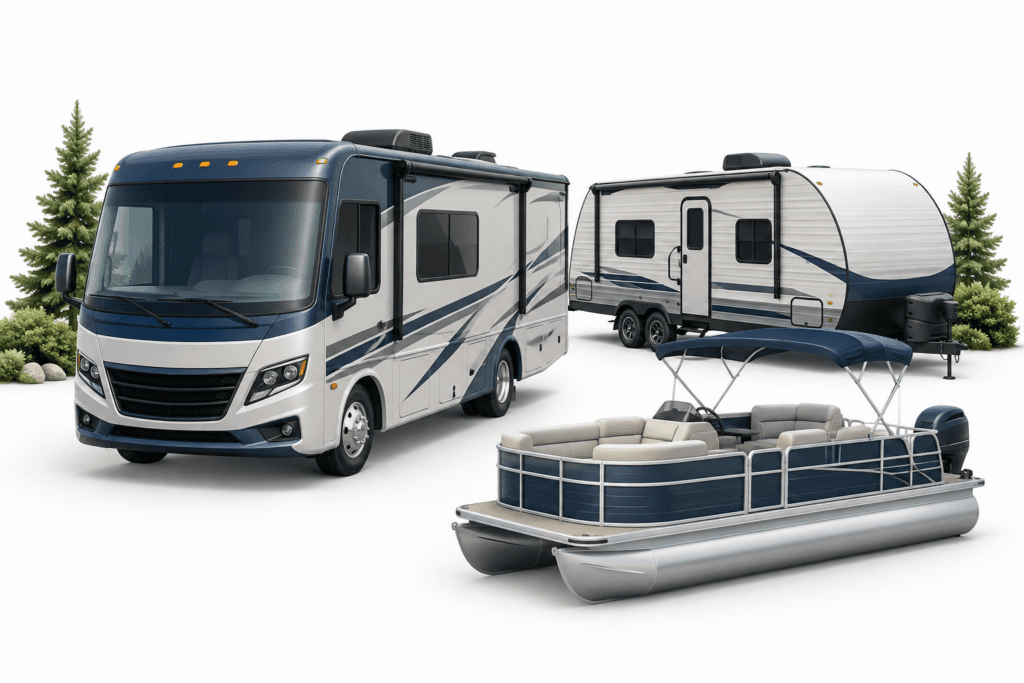
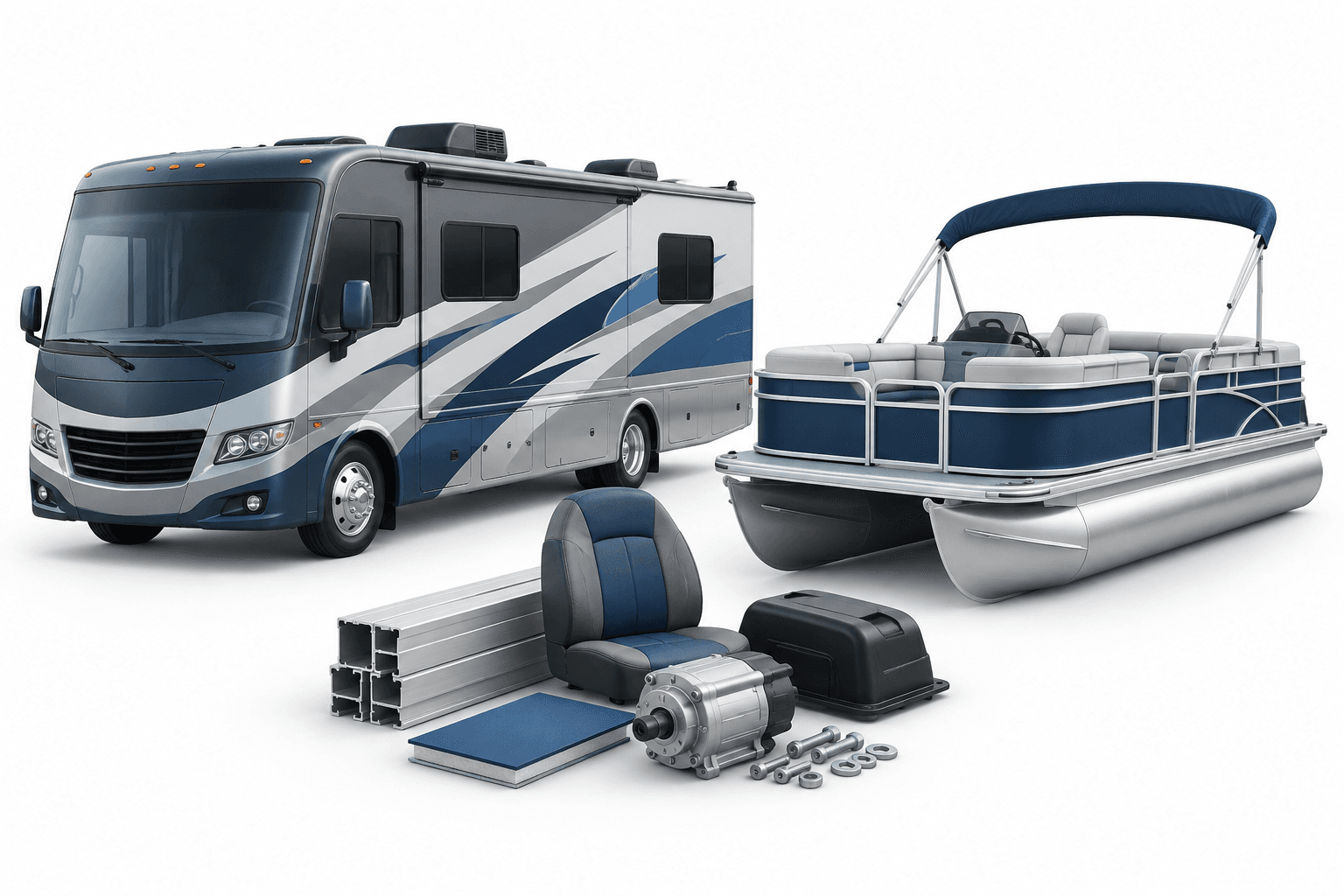
Winnebago’s RV and marine brand portfolio spans motorhomes, travel trailers, fifth wheels and boats. Its exposure to both categories explains why management’s retail assumptions cover more than the recreational vehicle market alone.
The company primarily sells wholesale units to dealers across North America, supplemented by parts and service revenue. Retail demand describes purchases by end customers and is distinct from the manufacturer’s wholesale sales to dealers.
Conclusion
The outlook places cost control alongside restrained demand expectations. The next measures to watch are progress toward the fiscal 2027–2029 savings target and whether retail conditions allow Winnebago to maintain its adjusted EBITDA margin.
Read More News
Disclaimer
This FinanceVelix article provides general information, not personalized financial, investment, legal, or tax advice. Market prices, interest rates and economic conditions can change; investments carry a risk of loss. Facts reflect the material available when published and may change. Check important information independently and consult a qualified professional when needed. Mentioning an asset, company, or service is not an endorsement.