Google Cloud and OpenAI announced a partnership on October 21, 2026, bringing OpenAI models and Codex coding workflows to Google’s enterprise AI platform. Select customers are entering a private preview, with general availability planned in the coming weeks. Businesses will be able to pay through Google Cloud Marketplace using existing cloud spending commitments.
Key Takeaways
- The initial private preview includes GPT-6 Astra, GPT-6.1 Sol and GPT-6 Luna.
- Marketplace purchases can draw down customers’ existing Google Cloud spending commitments.
- The partnership expands model choice, but its revenue contribution has not been quantified.
Table of Contents
- Google Cloud begins a limited OpenAI rollout
- Existing cloud budgets can cover model purchases
- Rival models become part of Google’s platform offering
- Conclusion
Google Cloud begins a limited OpenAI rollout
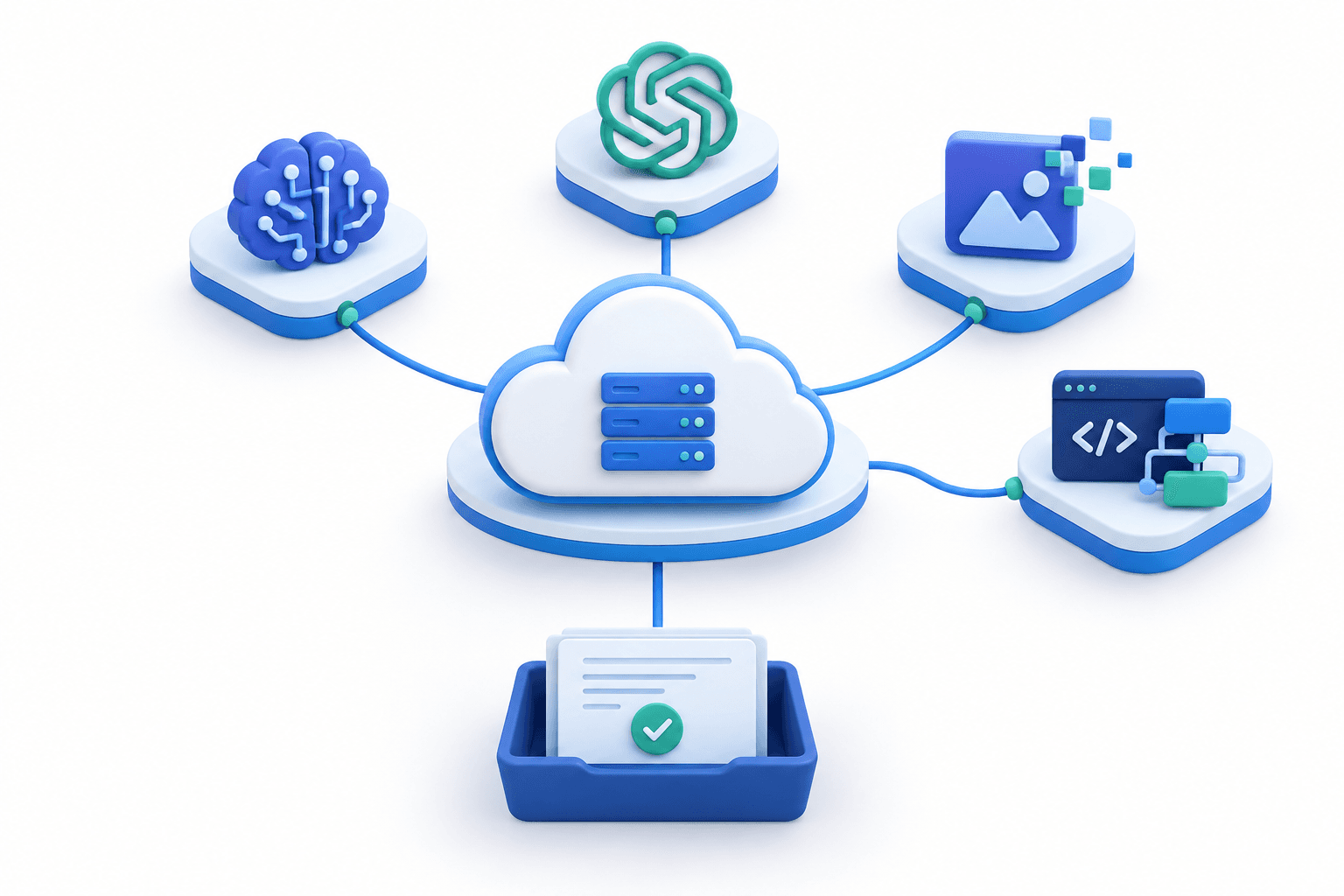
Google’s OpenAI model rollout starts with a private preview for select enterprise customers in Model Garden. Google says customers can build through its APIs and connect local Codex CLI and Desktop workflows to its Gemini platform for inference.
That initial access is narrower than a broad commercial launch. OpenAI says general availability is planned in the coming weeks, while Google says additional access through Gemini for business and Google Antigravity is coming later. Neither announcement gives a specific general-availability date.
| Item | Details |
|---|---|
| GPT-6 Astra | Designed for demanding coding, computer use, professional tasks and scientific research. |
| GPT-6.1 Sol | Positioned as offering near-Astra intelligence at lower cost for agentic coding, computer use and professional work. |
| GPT-6 Luna | Positioned as a fast, cost-efficient model for everyday work at scale. |
Existing cloud budgets can cover model purchases
OpenAI model usage will be transacted through Google Cloud Marketplace and appear on a single Google Cloud invoice. Google says that spending will draw down existing cloud commitments and count toward Flexible Savings Plans across model providers.
For businesses already committed to spending with Google, the practical change is procurement: they can access OpenAI models within their existing cloud purchasing arrangements rather than establish separate vendor contracts. It also gives development teams another model option inside the environment where they already work.
Rival models become part of Google’s platform offering
The agreement lets Google distribute technology that competes with its own Gemini models. For Alphabet’s cloud business, that creates another route to serve enterprise AI demand even when a customer chooses an OpenAI model for a particular task.
The announcements do not quantify the arrangement’s revenue contribution or customer adoption. The commercial opportunity should therefore be distinguished from a demonstrated financial benefit. OpenAI also says Microsoft remains its primary cloud partner.
Conclusion
The Google Cloud partnership broadens enterprise access to OpenAI without requiring a separate purchasing arrangement. The next announced milestone is general availability in the coming weeks; the companies have not specified a launch date or quantified the financial impact.
Read More News
Disclaimer
This FinanceVelix article provides general information, not personalized financial, investment, legal, or tax advice. Market prices, interest rates and economic conditions can change; investments carry a risk of loss. Facts reflect the material available when published and may change. Check important information independently and consult a qualified professional when needed. Mentioning an asset, company, or service is not an endorsement.