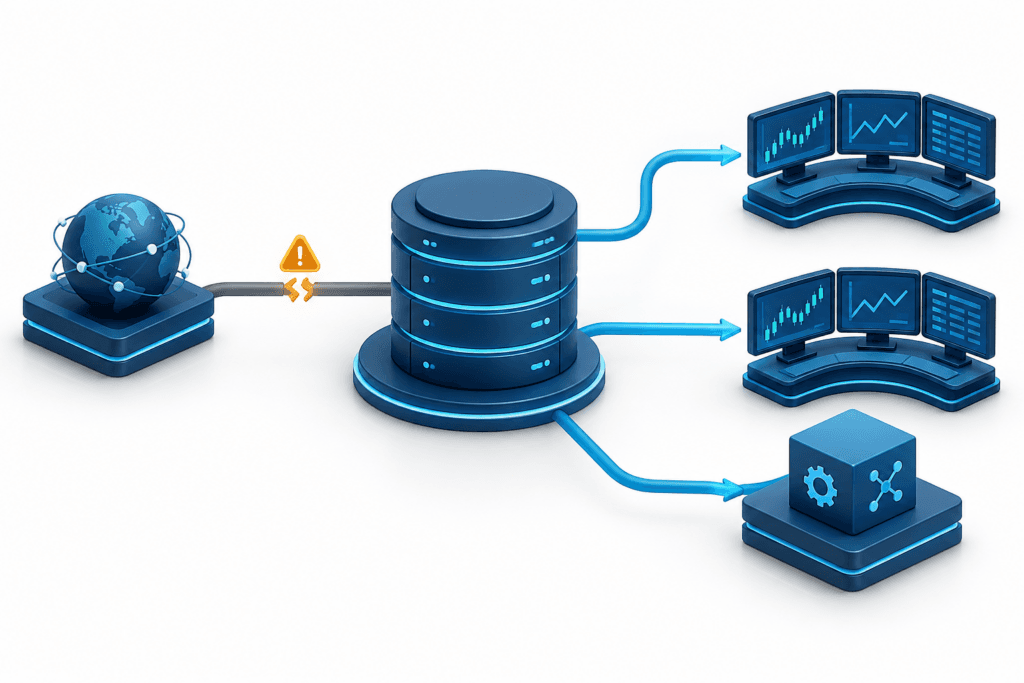
The US fraud crackdown prevented at least $1.6 billion in losses during 2026 and warned more than 10,000 Americans targeted by criminal networks, President Donald Trump said at an October 21 White House cybercrime roundtable. The estimate covers losses authorities say they stopped, not stolen money recovered or returned to victims.
Key Takeaways
- Trump’s prevention estimate came without a detailed public breakdown of how the avoided losses were calculated.
- FBI Director Kash Patel said authorities had dismantled 20 scam compounds worldwide.
- A separate West African operation identified potentially freezable funds, illustrating the distinction between disrupting fraud and recovering money.
Table of Contents
- US fraud crackdown totals measure prevention, not recovery
- West African operation targeted accounts and scam centers
- Exchanges can assist investigations, but restitution takes more
- Conclusion
US fraud crackdown totals measure prevention, not recovery
Trump’s announcement covered overseas cryptocurrency investment scams and other online financial fraud. Officials did not provide a detailed reconciliation showing how much of the $1.6 billion estimate came from victim warnings, interrupted transfers or other interventions.
Patel’s statement that authorities had dismantled 20 compounds also lacked a compound-by-compound breakdown. The figures describe reported enforcement activity; they do not establish how much stolen money has been returned or whether overall fraud losses are declining.
The scale of reported harm remains substantial. The FBI recorded more than $11 billion in losses associated with cryptocurrency complaints during 2025. Cryptocurrency investment fraud alone accounted for more than $7.2 billion, according to Justice Department figures based on FBI data.
| Item | Details |
|---|---|
| Ghana arrests | 19 people arrested in Sasaabi, an Accra suburb, during the West African operation. |
| Ghana devices | 303 electronic devices seized in Sasaabi. |
| Nigeria arrests | Nine people arrested during the enforcement period. |
| Additional victims identified in Ghana | 89 scam victims with approximately $8.3 million in losses. |
West African operation targeted accounts and scam centers
The Justice Department’s October 13 announcement of the West African Joint Disruption Week described a coordinated operation involving law enforcement and private companies. During the week beginning October 6, participants shared intelligence to identify scam centers in Ghana, Nigeria and other African countries.
Participating companies reported removing more than 3.7 million social media accounts, pages and groups. Investigators made 28 arrests, while private-sector partners identified more than $11 million in potentially freezable funds. That amount was not a confirmed confiscation or restitution total.
The targeted schemes included cryptocurrency investment fraud, law-enforcement impersonation and digital arrest extortion. Authorities also identified 117 human trafficking victims in Ghana who were awaiting repatriation to Nigeria, highlighting the coercion behind some scam operations.
Exchanges can assist investigations, but restitution takes more
Cryptocurrency exchanges and blockchain intelligence companies participated in the West African effort. Blockchain records can help investigators trace transfers, while centralized exchanges may restrict accounts holding suspected criminal proceeds. Identifying suspicious transactions, however, does not by itself establish criminal ownership or complete the legal process for confiscation.
The administration’s March 6, 2026 executive order directed agencies to coordinate action against transnational cybercrime and prioritize fraud prosecutions. It also required recommendations for a victim restoration program using seized or forfeited proceeds; that requirement was not an announcement that compensation had been distributed.
Conclusion
The US fraud crackdown’s prevention figures are distinct from financial recovery. The next meaningful measures for victims are documented seizures, forfeitures and restitution distributions as the investigations and prosecutions proceed.
Read More News
Disclaimer
This FinanceVelix article provides general information, not personalized financial, investment, legal, or tax advice. Market prices, interest rates and economic conditions can change; investments carry a risk of loss. Facts reflect the material available when published and may change. Check important information independently and consult a qualified professional when needed. Mentioning an asset, company, or service is not an endorsement.