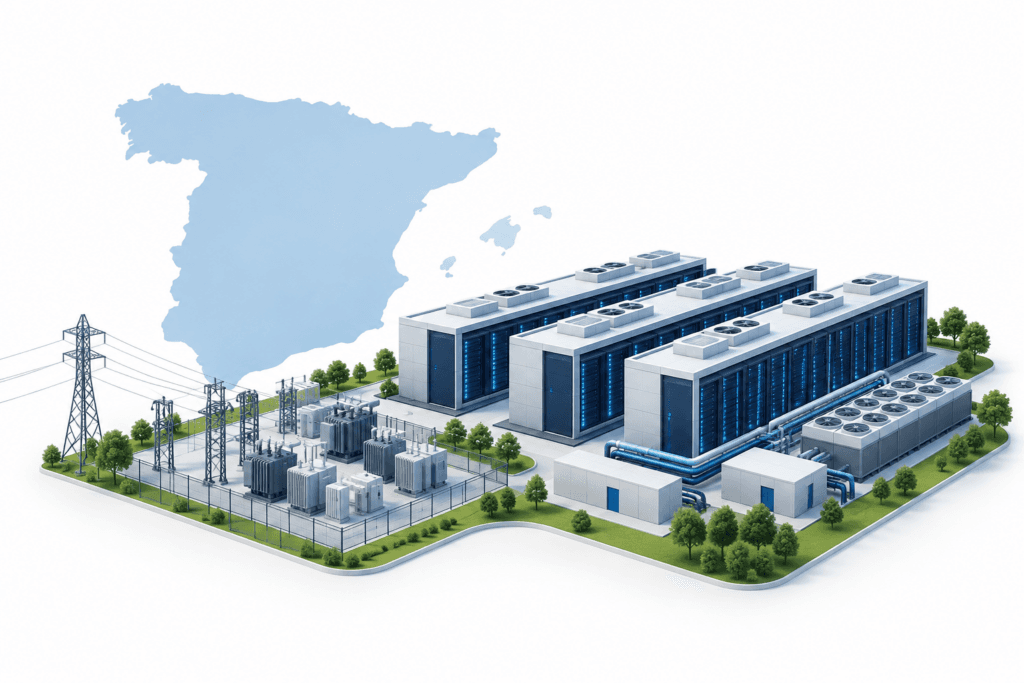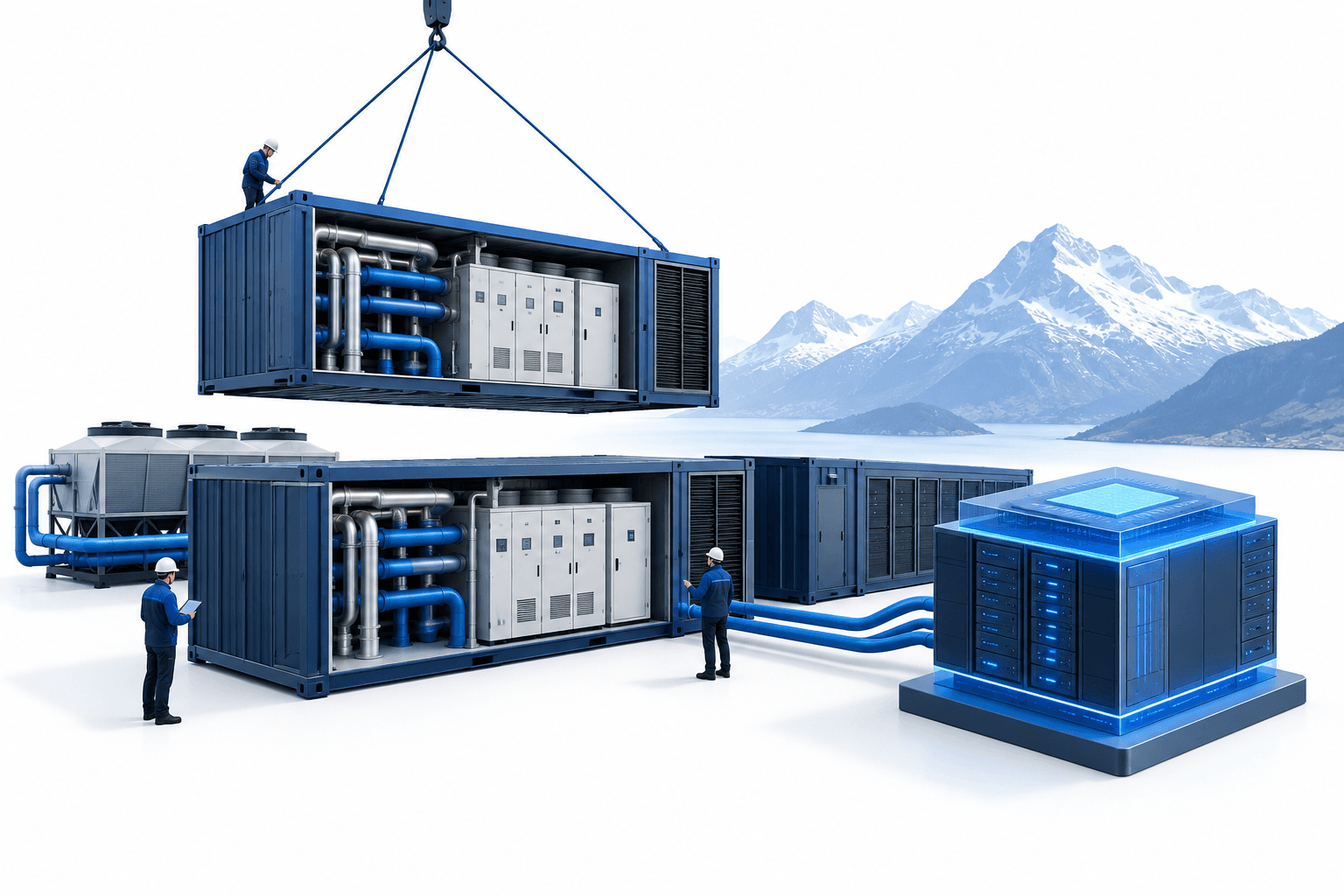
Vertiv shares rose approximately 5.35% to $214.45 at 11:05 a.m. ET on October 21, 2026, as the AI-infrastructure company introduced a factory-built approach using Nvidia DSX. Vertiv projects up to 30% more cumulative AI-token output during a project's first 12 months by bringing computing capacity online sooner. That improvement remains a modeled estimate, not a demonstrated operating result.
Key Takeaways
- Vertiv's projected output gain depends on a shorter design and deployment schedule.
- Polar Data Centers is applying the approach to a 41-megawatt phase in Norway.
- The share-price increase was an intraday snapshot, not a closing return.
Table of Contents
- Vertiv shares rise alongside faster-deployment proposal
- The output target rests on scheduling assumptions
- Norway deployment provides the practical test
- Conclusion
Vertiv shares rise alongside faster-deployment proposal
Vertiv's Nvidia DSX deployment announcement centers on reducing the time before AI infrastructure becomes productive. The proposed factory-built approach replaces part of the conventional onsite construction schedule with faster deployment.
The distinction matters for customers: the projected benefit comes from having more operating days during the first year, rather than a demonstrated increase in computing output per day. Earlier availability could give customers more time to generate output from the same project.
The stock's advance coincided with the announcement, but the available evidence does not establish how much of the price movement was attributable to it.
| Item | Details |
|---|---|
| Initial design | Modeled at three days, versus 30 days under the conventional schedule. |
| Deployment | Modeled at 45 days for the factory-built approach, versus 90 days for onsite construction. |
| First-year productive time | 317 days in Vertiv's model, compared with 245 days conventionally. |
| Output target | Up to 30% more cumulative AI-token output during the project's first 12 months; not a realized result. |
The output target rests on scheduling assumptions
Vertiv's model assumes 317 productive days in the first 12 months, compared with 245 under a conventional schedule—a difference of 72 days. It also assumes substantially shorter initial design and deployment periods.
Those assumptions explain the projected increase of up to 30% in cumulative AI-token output. They do not establish that a completed facility has achieved that improvement, and actual operating results still have to follow.
Norway deployment provides the practical test
Polar Data Centers is putting the approach to work on a 41-megawatt phase in Norway. That deployment provides a project against which Vertiv's scheduling assumptions can eventually be assessed.
The key distinction is between deploying the approach and proving its benefits. Delivery timing and actual productive days will show whether the modeled first-year advantage translates into operating performance; the supplied information does not establish a completed output result.
Conclusion
Vertiv's announcement sets out a timing-based route to greater first-year AI output, rather than proof of an achieved gain. The Norway deployment is the next concrete test to watch for delivery performance and productive operating days.
Read More News
Disclaimer
This FinanceVelix article provides general information, not personalized financial, investment, legal, or tax advice. Market prices, interest rates and economic conditions can change; investments carry a risk of loss. Facts reflect the material available when published and may change. Check important information independently and consult a qualified professional when needed. Mentioning an asset, company, or service is not an endorsement.