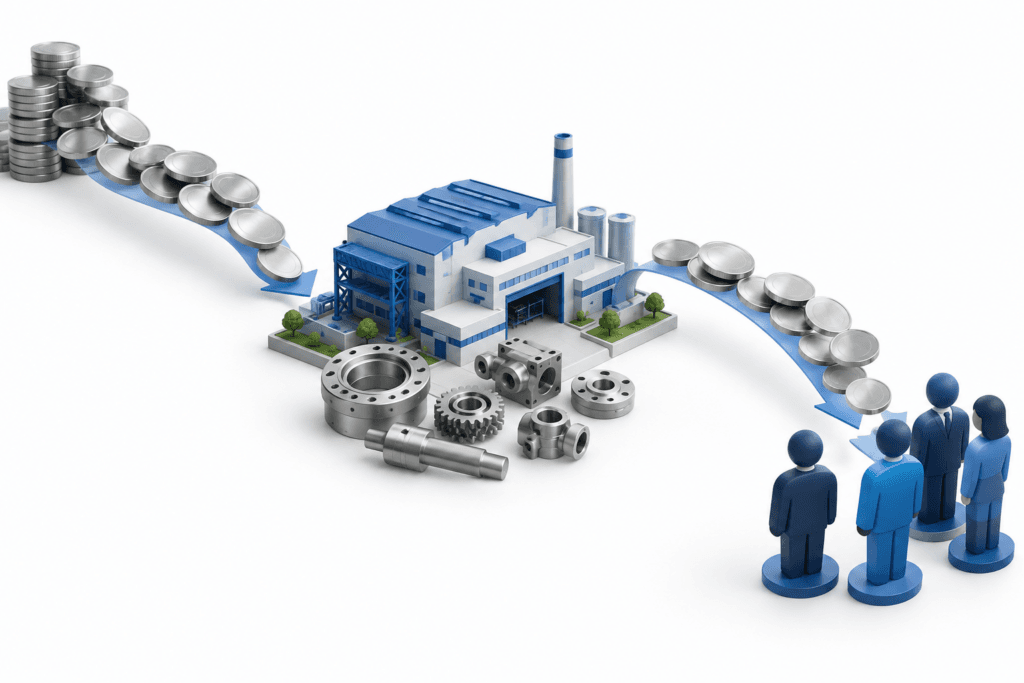
Castrol India profit fell 22.6% to ₹176.37 crore in July–September 2026, despite a 27.3% rise in revenue, as sharply higher material costs and adverse currency movements squeezed earnings. The results, announced on October 24, came ahead of a proposed change in the lubricants company’s ultimate ownership.
Key Takeaways
- Raw and packing material consumption rose 70.8%, far faster than revenue.
- EBITDA margin narrowed to 15.1% from 23.7% a year earlier.
- BP’s proposed sale of control in global Castrol remains subject to approvals, with completion targeted by the end of 2026.
Table of Contents
- Castrol India profit falls as costs outpace sales
- Nine-month growth contrasts with the quarterly setback
- Proposed ownership change brings an open-offer process
- Conclusion
Castrol India profit falls as costs outpace sales
Revenue from operations reached ₹1,734.72 crore, compared with ₹1,362.75 crore in July–September 2025. Net profit moved in the opposite direction, falling from ₹227.80 crore, while earnings before interest, tax, depreciation and amortisation declined 18.8% to ₹262.04 crore.
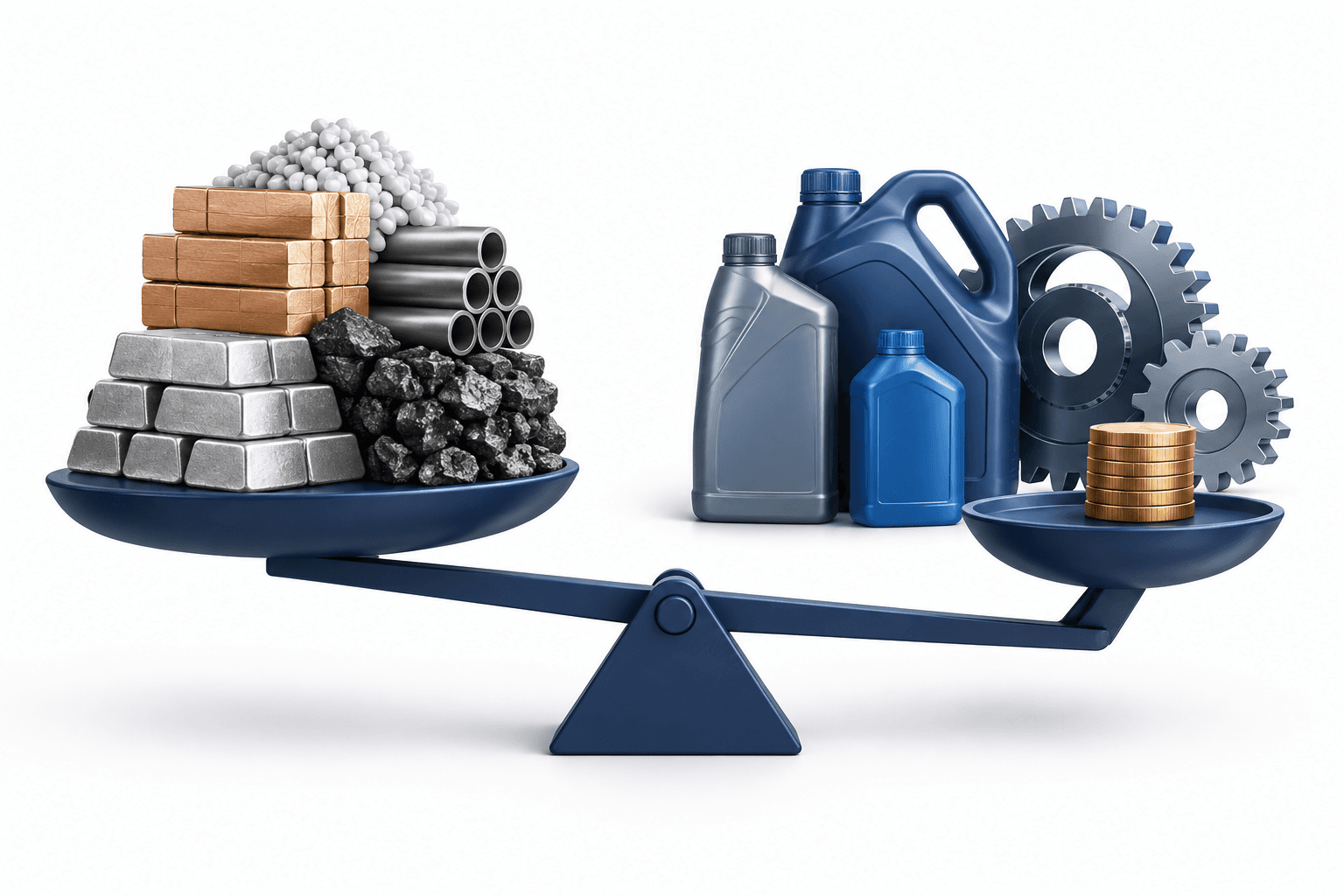
Raw and packing material consumption increased to ₹1,085.86 crore from ₹635.79 crore. These costs absorbed 62.6% of revenue, up from 46.7% a year earlier, leaving substantially less revenue available to cover other expenses and profit.
Total expenses rose 41% to ₹1,504.74 crore, outpacing sales growth. The EBITDA margin contracted by approximately 860 basis points.
Managing Director Saugata Basuray said pricing actions taken early in the year helped moderate the impact on margins. Management had warned during its August earnings call that lower-cost inventory had cushioned profitability and that commodity inflation would become more visible in September.
Chief Financial Officer Mrinalini Srinivasan said the operating environment was expected to remain volatile and inflationary. She said the company would use pricing and cost actions to manage margin pressure while continuing to pursue market-share growth.
| Item | Details |
|---|---|
| January–September revenue | ₹5,151.43 crore, up 20.3% from ₹4,281.58 crore a year earlier. |
| January–September net profit | ₹766.25 crore, up 8.6% from ₹705.26 crore. |
| January–September EBITDA | ₹1,086 crore, up 11% year on year. |
| April–June net profit | ₹347.70 crore, compared with ₹176.37 crore in July–September. |
| April–June revenue | ₹1,871.47 crore, compared with ₹1,734.72 crore in July–September. |
Nine-month growth contrasts with the quarterly setback
Castrol follows a January–December financial year. Despite the third-quarter decline, revenue, net profit and EBITDA remained above their year-earlier levels for January–September 2026. The latest quarter was also weaker than April–June, with net profit falling 49.3% and revenue declining 7.3% sequentially.
Operational expansion continued alongside the earnings pressure. The industrial business recorded double-digit volume growth and added 700 customers across automotive and machinery manufacturing, metals, aerospace and sugar industries.
The distribution network reached approximately 167,000 outlets, including 46,000 rural outlets. Auto-care products were available through about 50,000 physical outlets, while the service network included more than 870 Castrol Auto Service centres and over 1,000 Rural Service Express locations.
Proposed ownership change brings an open-offer process
Separately from the earnings results, Castrol’s announcement of BP’s proposed 65% stake sale to Stonepeak says completion is expected by the end of 2026, subject to necessary approvals. The global transaction values the Castrol business at approximately $10 billion.
The deal would give Stonepeak indirect control of Castrol India, in which UK-based Castrol Limited holds 51%. The proposed change in control has triggered a mandatory open-offer process for Indian shareholders.
Stonepeak and its partners have proposed buying up to 26% of Castrol India at an initial price of ₹194.04 per share, representing a potential outlay of approximately ₹4,990 crore. Those are proposed offer terms, not a completed acquisition.
Castrol India would remain listed unless a separate delisting process is undertaken. The proposed ownership change does not automatically alter its existing operations.
Conclusion
Castrol India’s third quarter showed that strong sales growth could not offset the rise in material costs. The next stated transaction milestone is completion of the global Castrol stake sale by the end of 2026, subject to approvals; the Indian open-offer process remains separate from the company’s operating performance.
Read More News
Disclaimer
This FinanceVelix article provides general information, not personalized financial, investment, legal, or tax advice. Market prices, interest rates and economic conditions can change; investments carry a risk of loss. Facts reflect the material available when published and may change. Check important information independently and consult a qualified professional when needed. Mentioning an asset, company, or service is not an endorsement.