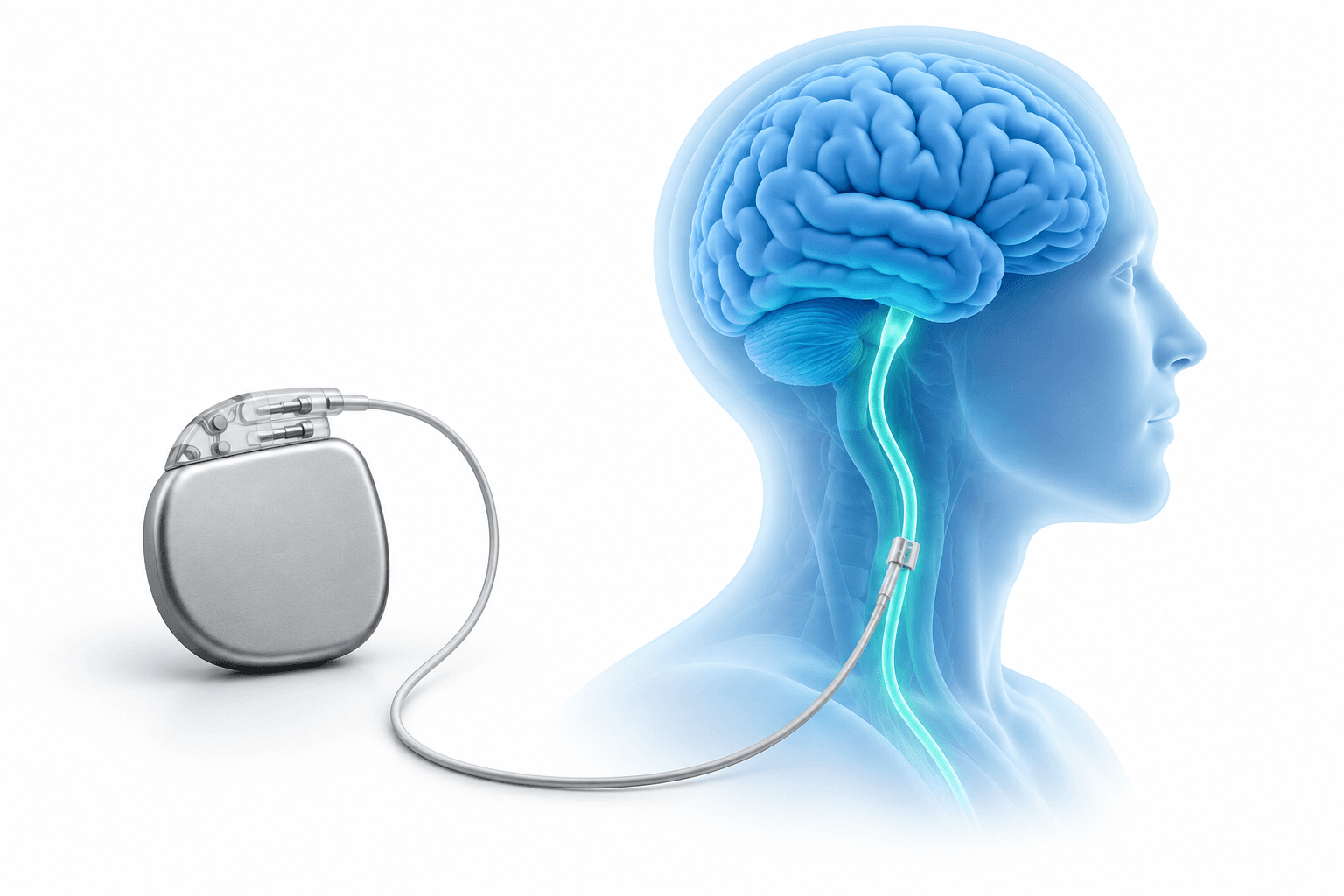
LivaNova epilepsy study results published on October 23, 2026, showed a 76% median reduction in seizure frequency from baseline among participants with 36-month follow-up data. The CORE-VNS findings provide long-term evidence on the company’s Vagus Nerve Stimulation Therapy devices for people with drug-resistant epilepsy.
Key Takeaways
- CORE-VNS tracked outcomes over 36 months for patients using modern VNS Therapy devices.
- The findings included seizure freedom for some patients and fewer seizure-related hospital admissions.
- VNS Therapy is an add-on treatment, not a replacement for anti-seizure medication.
Table of Contents
- LivaNova epilepsy study extends long-term evidence
- How the implanted therapy works
- What the publication means for LivaNova
- Conclusion
LivaNova epilepsy study extends long-term evidence
LivaNova announced that the comprehensive 36-month CORE-VNS follow-up results had been published in Neuromodulation: Technology at the Neural Interface. The study evaluated patients with drug-resistant epilepsy, whose seizures are not adequately controlled by medication.
Beyond seizure frequency, the findings described improvements in rescue medication needs, seizure severity, healthcare use and quality of life. These measures broaden the assessment beyond seizure counts to include the burden of treatment and day-to-day outcomes.
The 76% figure is a median change from baseline among participants with 36-month data, not a finding that every patient experienced that reduction. Complete seizure freedom and elimination of seizure types recorded at baseline were also reported as separate outcomes.
| Item | Details |
|---|---|
| Complete seizure freedom | Reported for 16% of patients. |
| Baseline seizure types | 28% experienced elimination of all seizure types recorded at baseline. |
| Seizure-related hospital admissions | Reported to have fallen by 73%. |
How the implanted therapy works
LivaNova’s explanation of VNS Therapy describes a system that sends mild electrical pulses through the vagus nerve to brain areas associated with seizures. Its US product information identifies the treatment as an option for people aged four and older with drug-resistant epilepsy and partial-onset seizures.
The company says benefits are not always immediate and seizure activity may improve gradually over the first two years. VNS Therapy remains an add-on to medication, with individual treatment decisions made by patients and their doctors.
The product information also lists risks, including hoarseness, coughing, sore throat and shortness of breath during stimulation. Infection is identified as the most common complication of the implantation procedure.
What the publication means for LivaNova
LivaNova, listed on Nasdaq under LIVN, operates Cardiopulmonary and Neuromodulation businesses. The CORE-VNS publication concerns its implantable neurological-device portfolio rather than its cardiac-surgery equipment business.
The findings add clinical evidence about an existing product’s longer-term use. They are not an earnings result or revenue forecast, and the clinical percentages should not be interpreted as measures of commercial growth.
Conclusion
The published 36-month findings extend the evidence for LivaNova’s epilepsy devices, with seizure control and healthcare use both in focus. The announcement did not provide a timetable for another study update.
Read More News
Disclaimer
This FinanceVelix article provides general information, not personalized financial, investment, legal, or tax advice. Market prices, interest rates and economic conditions can change; investments carry a risk of loss. Facts reflect the material available when published and may change. Check important information independently and consult a qualified professional when needed. Mentioning an asset, company, or service is not an endorsement.