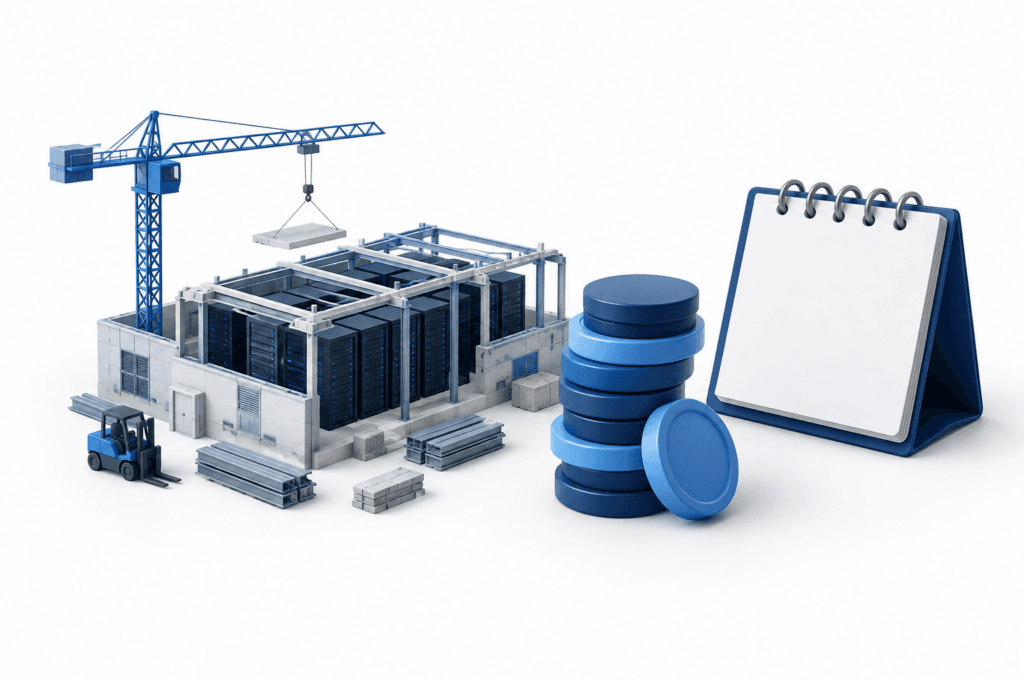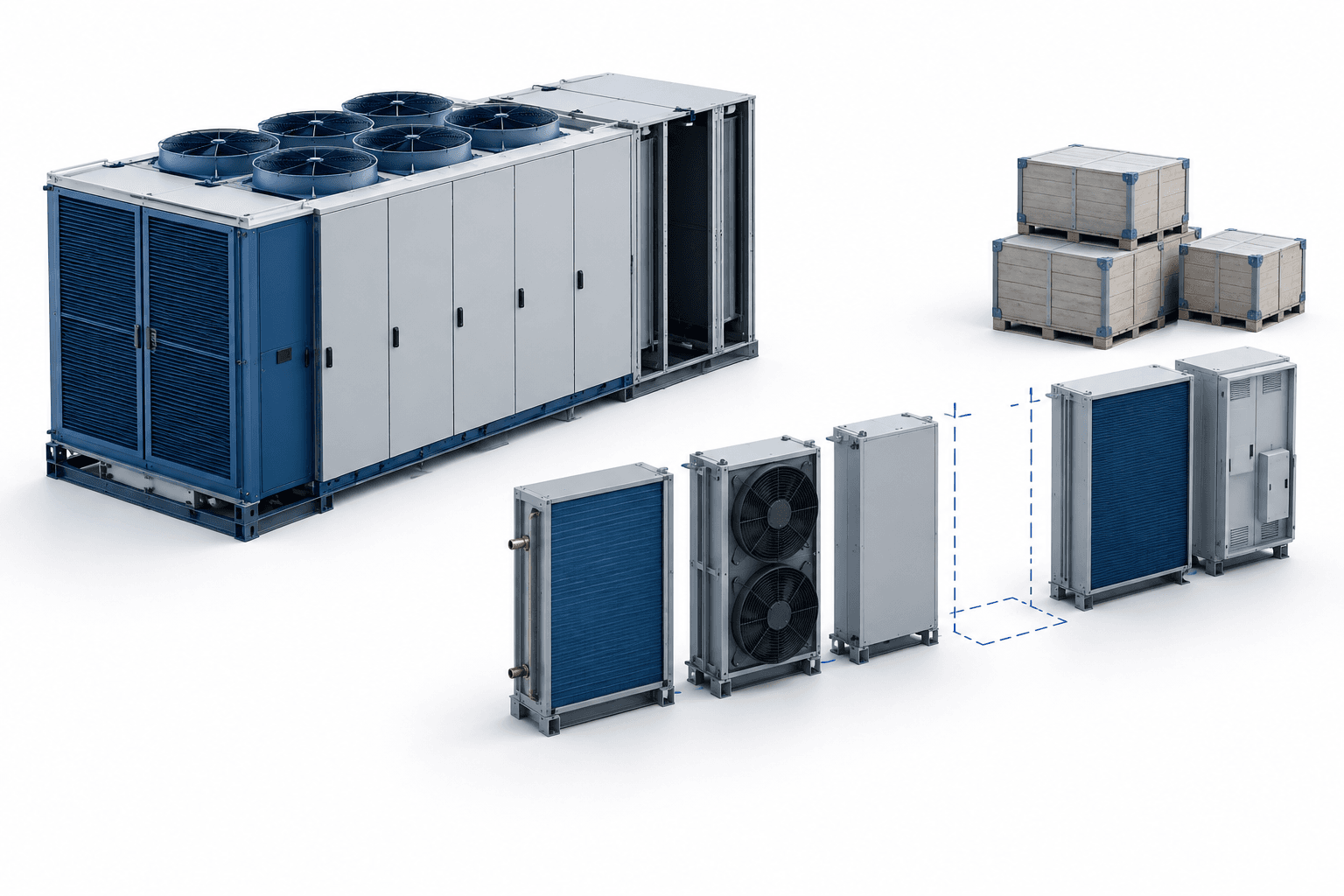
Munters earnings for the third quarter of 2026 showed order intake rising 70% and backlog increasing 178% to SEK 28 billion, but strong demand continued to strain production and cash generation. In its October 23 earnings discussion, management said component shortages, factory expansion and inventory buildup were weighing on the data center technology business, even as deliveries accelerated.
Key Takeaways
- A growing data center backlog extends delivery visibility into 2027 and 2028.
- Component shortages and new-product ramp-ups continue to constrain data center margins.
- Operating cash flow was negative, with further inventory growth expected in the fourth quarter.
Table of Contents
- Munters earnings highlight the gap between orders and deliveries
- Data center growth comes with margin pressure
- Inventory absorbs cash and pushes leverage higher
- AirTech improvement includes an unusual cancellation fee
- Conclusion
Munters earnings highlight the gap between orders and deliveries
The data center technology division, DCT, achieved its highest-ever quarterly sales, with growth of 30% from the previous quarter. Its backlog reached approximately SEK 22 billion, accounting for most of the group's outstanding orders.
Chief Executive Stefan Aspman said a large part of 2027 capacity was effectively booked and that new orders were increasingly moving into 2028. Investor relations head Line Dovärn cautioned that an earlier estimate of roughly SEK 11 billion in 2027 DCT sales was a quick assumption based on splitting the backlog over two years, rather than firm guidance, and was probably now too low.
Munters' interim-report collection groups quarterly financial reports with presentations and webcasts. For this update, the key distinction is between orders awaiting delivery and revenue already recognized: the larger backlog does not by itself resolve production constraints.
| Item | Details |
|---|---|
| Group net sales growth | 18% in Q3 2026 |
| Group book-to-bill ratio | 1.6, indicating orders exceeded sales |
| FoodTech annual recurring revenue | Up 18% |
| DCT pricing | Management said some products had price increases above 20%; pricing varied across the backlog |
Data center growth comes with margin pressure
DCT profitability declined as product mix, component shortages and factory ramp-up inefficiencies offset higher volumes. Aspman said missing a single component can interrupt production flow, force rework and leave units unfinished for revenue-recognition purposes.
The division is also introducing three new product concepts this year, including expansion into chilled-water infrastructure. Management sees potential in these products, but their early production stages have not yet reached mature efficiency levels.
Aspman described the roughly one-quarter delay in DCT's progress as still a reasonable estimate. He called the full-year 30% growth target highly reasonable if plans hold, while retaining a caveat for external factors. A high-teens margin remains a medium-term ambition rather than a near-term commitment.
Munters is qualifying additional vendors, working with customers to approve alternative components and deploying efficiency teams at its Virginia facility. Tariffs reduced DCT's margin by about two percentage points in the quarter, down from four previously, although some impact is expected to remain in the fourth quarter.
Inventory absorbs cash and pushes leverage higher
Operating cash flow was negative as DCT accumulated inventory. Chief Financial Officer Katharina Fischer said shortages of components such as coils meant other parts were already available but could not yet be converted into completed deliveries.
Fischer expects inventory to stabilize at year-end, following a further fourth-quarter increase smaller than the buildup between the second and third quarters. Higher production capacity will nevertheless require a higher ongoing level of supplies.
Leverage increased to 3.4 from 3.2, above the company's long-term ambition of 1.5–2.5. Negative cash flow and higher lease liabilities contributed to the increase. The immediate financial challenge is therefore converting expanding production into completed deliveries and cash, not simply securing more orders.
AirTech improvement includes an unusual cancellation fee
AirTech profitability more than doubled, supported by higher volumes, favorable mix and cost savings. Its reported margin was 12.9%, compared with 10.4% excluding a one-off cancellation fee.
Fischer put the fee at approximately SEK 50 million. Management described the cancellation as highly unusual and linked to a larger project that was cancelled in full, making the fee an important qualification when assessing the division's quarterly improvement.
FoodTech maintained healthy margins despite continued investment. Sales were flat as European controller sales faced seasonality and softer demand in some markets, while recurring revenue continued to grow.
Conclusion
The fourth quarter will test whether faster DCT production can translate into completed deliveries without another large inventory increase. Management expects further growth, but its stated timeline still leaves margin normalization dependent on resolving supply constraints over several quarters.
Read More News
Disclaimer
This FinanceVelix article provides general information, not personalized financial, investment, legal, or tax advice. Market prices, interest rates and economic conditions can change; investments carry a risk of loss. Facts reflect the material available when published and may change. Check important information independently and consult a qualified professional when needed. Mentioning an asset, company, or service is not an endorsement.