Indian bonds were nearly unchanged early on Thursday, October 22, with the benchmark yield near 7.45%, after Reserve Bank of India policy minutes indicated that further interest-rate increases may be needed to curb inflation.
Key Takeaways
- The benchmark 6.94% 2036 bond yielded 7.4474% at 10:00 a.m. IST, against 7.4427% at the previous close.
- The RBI raised its repo rate to 5.50% earlier this month and moved from a neutral stance to calibrated tightening.
- Nomura expects a 25-basis-point increase in December, while oil and food prices are adding to inflation concerns.
Table of Contents
- Indian bonds pause after a prolonged yield rise
- December rate expectations remain in focus
- Energy and food costs drive inflation concerns
- Conclusion
Indian bonds pause after a prolonged yield rise
The limited early move followed a 69-basis-point rise in the benchmark yield over the past 10 weeks. Bond yields move inversely to prices.
Overnight indexed swap rates were mixed. The one-year rate edged lower to 6.57%, the two-year rate rose to 6.67%, and the more liquid five-year rate was little changed at 6.83%.
December rate expectations remain in focus
The RBI’s increase earlier this month was its first in nearly four years. Minutes from the latest policy meeting showed that members of the rate-setting panel saw a possible need for additional tightening.
Nomura said Governor Sanjay Malhotra’s recent comments suggesting interest-rate support for the currency had fueled market expectations of an outsized December increase. The firm nevertheless maintained its forecast for a 25-basis-point hike that month, followed by an extended pause, while leaving open the possibility of action at the February meeting.
Energy and food costs drive inflation concerns
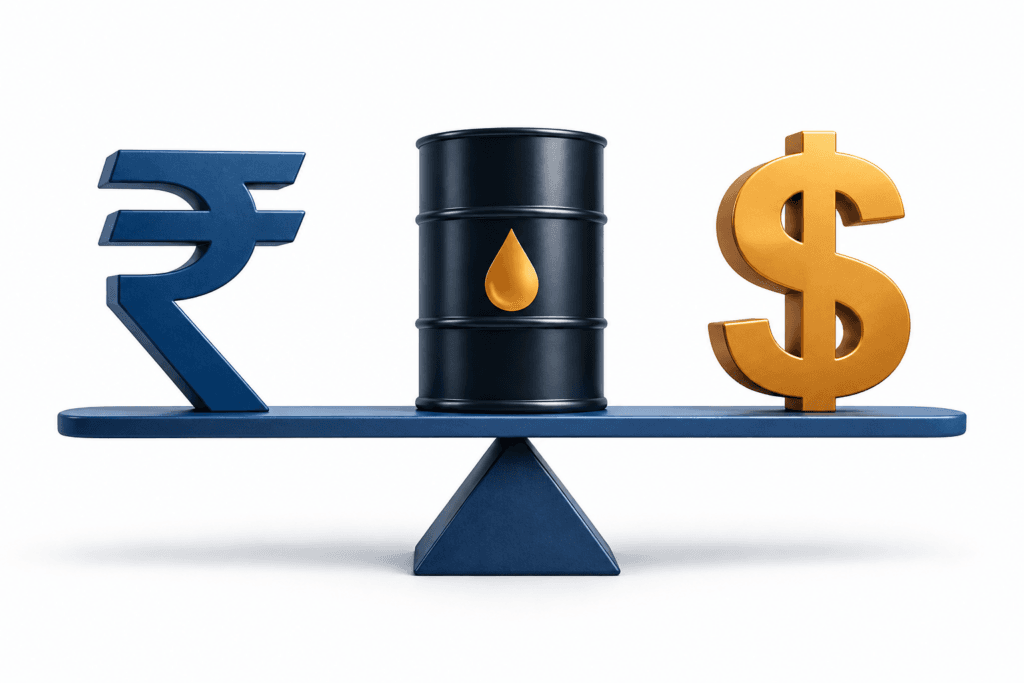
Higher oil prices amid an escalating Middle East war, together with a deficient monsoon and rising food prices, have prompted expectations that India’s key inflation gauge could exceed 6% in October. That is the upper tolerance limit of the central bank’s target.
Brent crude remained above $110 a barrel as further Houthi attacks on Saudi Arabia prompted the United States to order some diplomats to leave its missions in the kingdom.
India imports nearly 90% of its energy requirement, making persistently high prices a risk to inflation, the rupee and government finances.
Conclusion
The benchmark yield held close to its previous close despite signals of further tightening. December policy expectations remain in focus as energy and food costs add to inflation pressures.
Read More News
Disclaimer
This FinanceVelix article provides general information, not personalized financial, investment, legal, or tax advice. Market prices, interest rates and economic conditions can change; investments carry a risk of loss. Facts reflect the material available when published and may change. Check important information independently and consult a qualified professional when needed. Mentioning an asset, company, or service is not an endorsement.