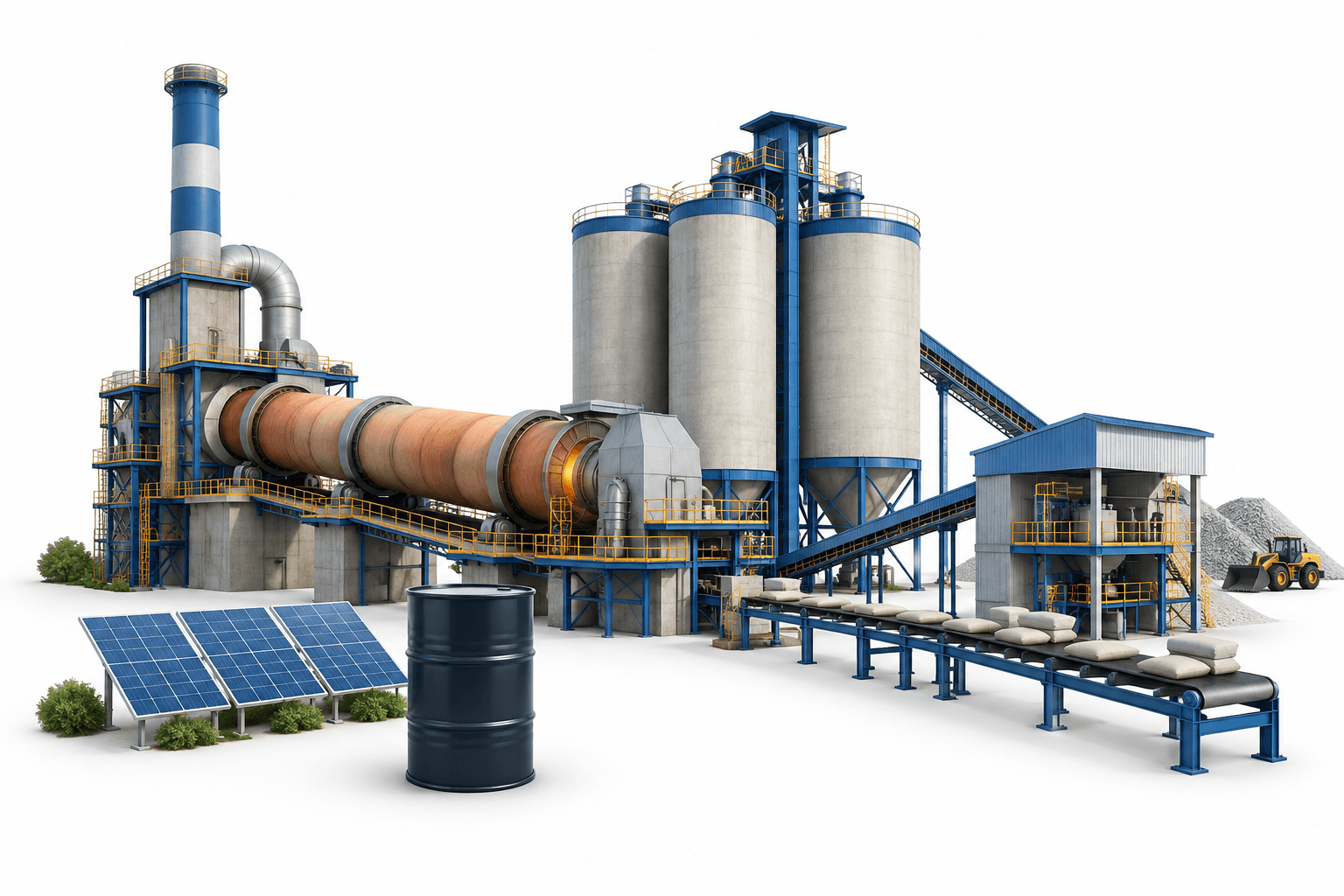
Dalmia Bharat earnings faced pressure from weak regional demand and rising costs in the second quarter of fiscal 2027, with EBITDA per tonne excluding Central India declining to INR746. In its October 26, 2026 earnings discussion, management said fuel inflation and the Central India ramp-up would add further pressure in Q3, even as it anticipated a second-half demand recovery.
Key Takeaways
- Q2 volumes grew 3% year over year as flooding and heavy rainfall weakened demand in eastern and northeastern markets.
- Management expects additional Q3 fuel costs and a larger earnings drag from Central India assets.
- Expansion projects remain on track, while management intends to keep leverage below 2.5 times.
Dalmia Bharat earnings reflect weak demand and higher costs
The quarter’s ex-Central India performance reflected cost increases of approximately INR259 per tonne and a realization decline of about INR49 per tonne. Chief Financial Officer Yatin Malhotra attributed weaker volumes largely to demand conditions in the East and Northeast, with lower production leaving fixed costs spread across fewer tonnes.
Malhotra put the impact of fixed-cost under-absorption at roughly INR100–120 per tonne. The INR746 EBITDA-per-tonne figure excludes Central India and is not a consolidated measure. The company’s financial reports and results archive lists quarterly results, earnings releases and earnings-call materials separately.
Renewable energy provided some support to cost efficiency: capacity reached approximately 450 megawatts, and renewables accounted for 52% of the company’s energy mix in Q2.
| Item | Details |
|---|---|
| Belgaum | Commercial production expected to benefit Q4 FY27. |
| Central India | Utilization target of 35–40% by the end of FY27. |
| Pune | Scheduled to come online in Q2 FY28. |
Q3 guidance includes further fuel and start-up pressure
Malhotra expects fuel costs to rise by another INR75–80 per tonne in Q3, based on current bookings and visibility. He declined to forecast Q4 fuel costs, emphasizing the uncertainty surrounding further inflation.
Management guided to Central India EBITDA dilution of INR100–125 per tonne in Q3, compared with about INR50 per tonne in Q2. The increase is expected as Rewa enters commercial production and costs cease to be capitalized.
Despite those pressures, Malhotra said he hoped Q3 profitability would improve as fixed-cost under-absorption and an unfavorable regional sales mix reverse. Management expects second-half organic volume growth broadly in line with its industry growth estimate of 7–8%. These remain expectations rather than reported results.
The company is targeting near-breakeven performance for its Central India assets by the end of FY27, followed by Dalmia-standard EBITDA by the end of FY28.
Expansion timetable meets a tighter balance sheet
Management said expansion plans remained on schedule. Rewa’s clinker line and cement mill were undergoing trial runs, while the Belgaum clinker line had begun trials ahead of schedule.
Leverage crossed two times following the recent acquisition and relatively low Q2 volumes. Malhotra described current leverage as a peak and said management did not intend to exceed 2.5 times, with new assets expected to begin generating cash as production increases.
Read More News
Disclaimer
This FinanceVelix article provides general information, not personalized financial, investment, legal, or tax advice. Market prices, interest rates and economic conditions can change; investments carry a risk of loss. Facts reflect the material available when published and may change. Check important information independently and consult a qualified professional when needed. Mentioning an asset, company, or service is not an endorsement.



Comments
Be respectful. No spam, impersonation or private credentials. Ordinary posts and comments appear immediately; suspicious links are held for review.
Please wait…