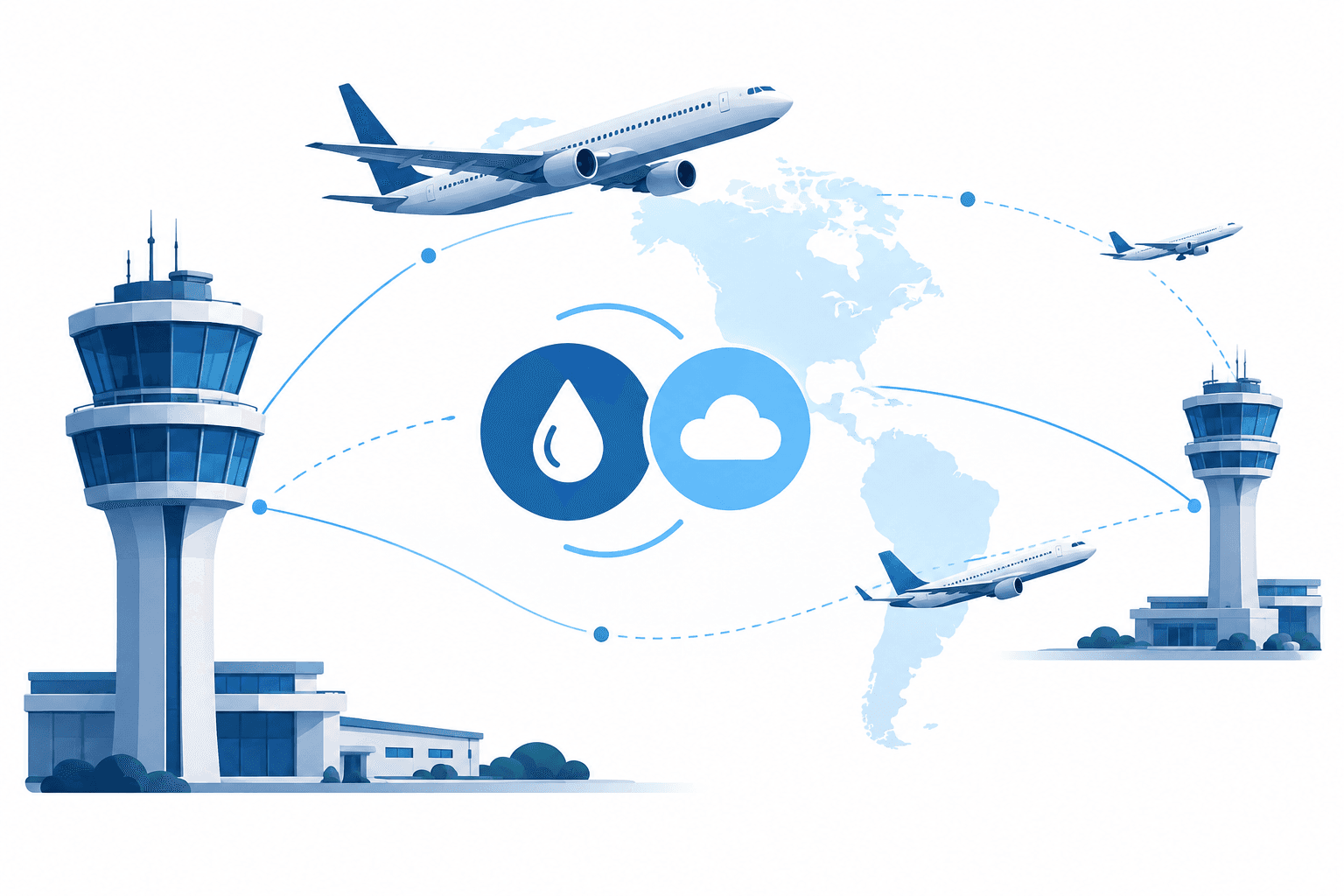
Air traffic coordination trials in the Americas saved more than $38.9 million and about 4,400 hours of flying time in 2026, the International Civil Aviation Organization said. Governments and industry have backed a faster global rollout of the approach.
Key Takeaways
- The ICAO-supported trials also saved approximately 13,330 tons of fuel.
- A separate European program avoided around 3.1 million minutes of delay from May through August 2026.
- Regional workshops are planned for 2027, ahead of international rules due in November 2030.
Air traffic coordination results
ICAO said the trials in the Americas avoided 42,160 tons of carbon dioxide emissions. The agency described the reduction as a contribution toward international aviation’s goal of net-zero carbon emissions by 2050.
In Europe, a EUROCONTROL program that anticipates weather and congestion avoided an estimated $448 million in costs between May and August 2026. The organization said the network was 14% more stable on the worst days.
How flow management works
Airports, airlines, controllers and weather services share information to manage traffic before bottlenecks develop. For example, airports can coordinate to delay departures when a destination cannot accept more aircraft, rather than have planes circle overhead.
ICAO Secretary General Juan Carlos Salazar said Brazil and Colombia have used flow-management systems for years, but largely at a national level. International flights cross multiple regions, making coordination between systems important.
Global rollout and upcoming rules
Governments and industry supported a faster rollout after five days of ICAO-convened talks in Montreal. ICAO plans regional workshops in 2027, while new international flow-management rules are due in November 2030.
Read More News
Disclaimer
This FinanceVelix article provides general information, not personalized financial, investment, legal, or tax advice. Market prices, interest rates and economic conditions can change; investments carry a risk of loss. Facts reflect the material available when published and may change. Check important information independently and consult a qualified professional when needed. Mentioning an asset, company, or service is not an endorsement.



Comments
Be respectful. No spam, impersonation or private credentials. Ordinary posts and comments appear immediately; suspicious links are held for review.
Please wait…