
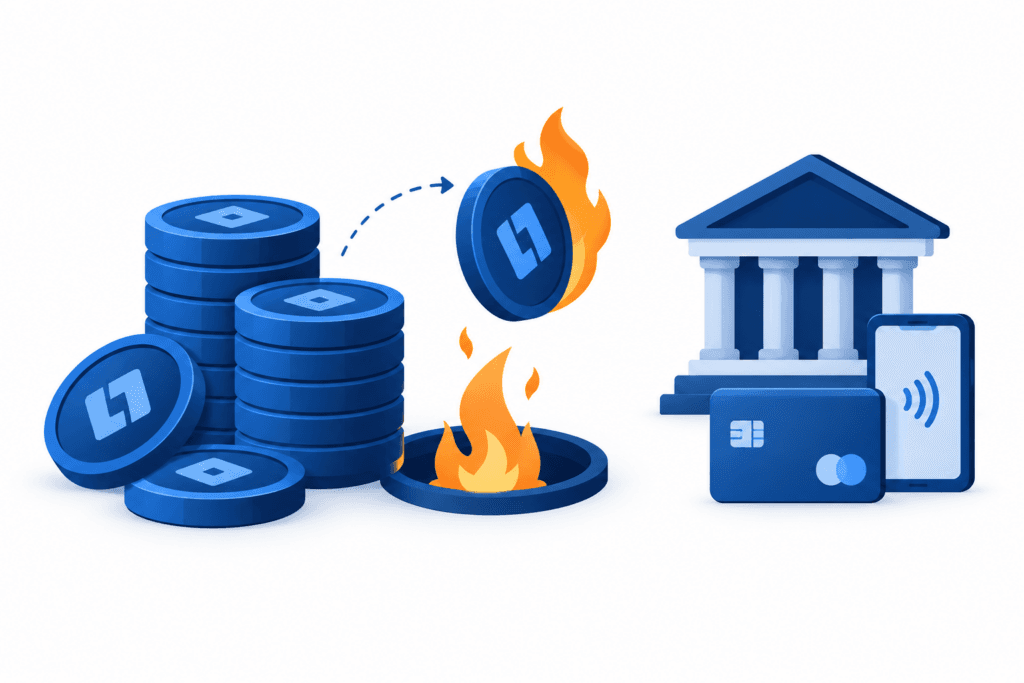
Cardano programmable tokens went live on the network’s mainnet on October 7, 2026, giving issuers a way to enforce transfer conditions through token transactions. The CIP-0113 standard is aimed at assets such as regulated stablecoins, tokenized funds and bonds.
Key Takeaways
- The new standard can enable transfer restrictions, freezes and seizures, depending on how an issuer configures a token.
- The controls do not apply to ADA or existing Cardano native tokens.
- Wallet compatibility, transaction costs and issuer permissions remain important considerations.
How Cardano programmable tokens work
Unlike conventional Cardano native tokens, assets issued under CIP-0113 require script validation when ownership changes. A transfer fails unless the token’s script approves it.
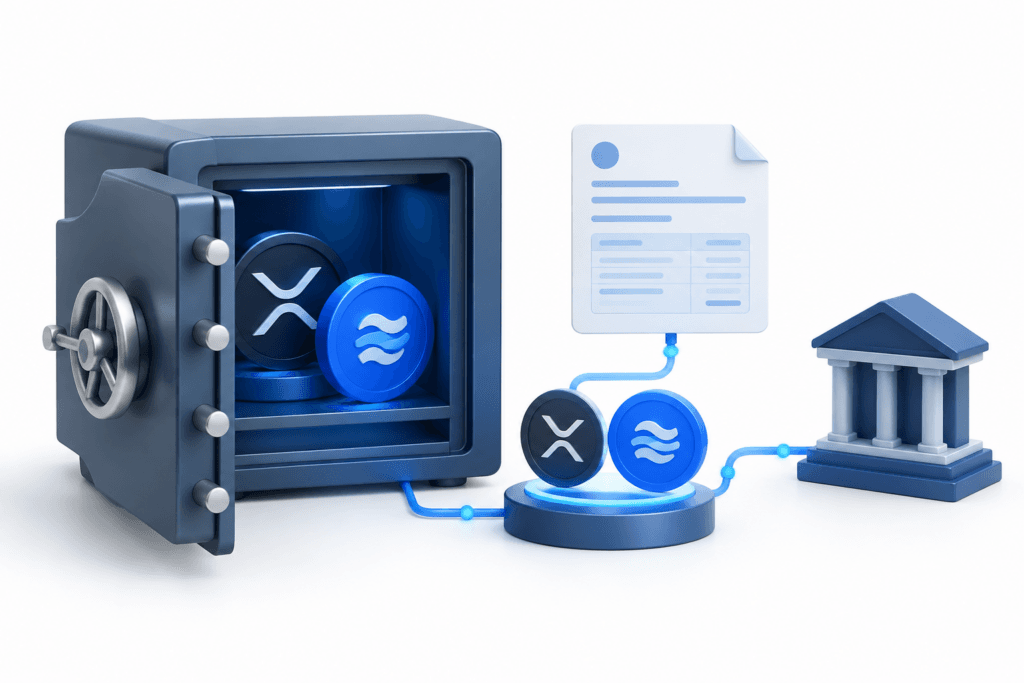
Issuers can choose or build modules for conditions such as verified-address requirements, sanctions screening and transfer restrictions. They can also update modules without changing the core validator or reissuing tokens.
The launch used existing Cardano network features and did not require a hard fork or a separate blockchain.
Issuer powers and practical limitations
Depending on the implementation, authorized parties can freeze holdings or seize tokens from designated addresses. The standard also identifies forced transfers and auto-compounding as actions that can occur without a holder’s explicit permission.
Script validation can increase transaction fees compared with conventional native-token transfers, while added complexity calls for testing and security reviews. Wallets and applications also need integration to display balances and construct valid transactions; initial launch support does not guarantee compatibility across all services.
A shared transaction output can create another complication: freezing one programmable asset may restrict access to unrelated tokens held in the same output. Issuers must allow assets to be separated to address that situation.
Recognition does not certify every asset
On October 7, the Cardano Foundation announced that the Swiss Capital Markets and Technology Association had recognized CIP-0113 as a smart-contract equivalent to its Tokenized Asset Standard for its certification scheme.
That recognition does not automatically certify every token or establish regulatory compliance in every jurisdiction. The framework’s availability also does not by itself demonstrate institutional demand or sustained commercial use.
Read More News
Disclaimer
This FinanceVelix article provides general information, not personalized financial, investment, legal, or tax advice. Market prices, interest rates and economic conditions can change; investments carry a risk of loss. Facts reflect the material available when published and may change. Check important information independently and consult a qualified professional when needed. Mentioning an asset, company, or service is not an endorsement.


Comments
Be respectful. No spam, impersonation or private credentials. Ordinary posts and comments appear immediately; suspicious links are held for review.
Please wait…