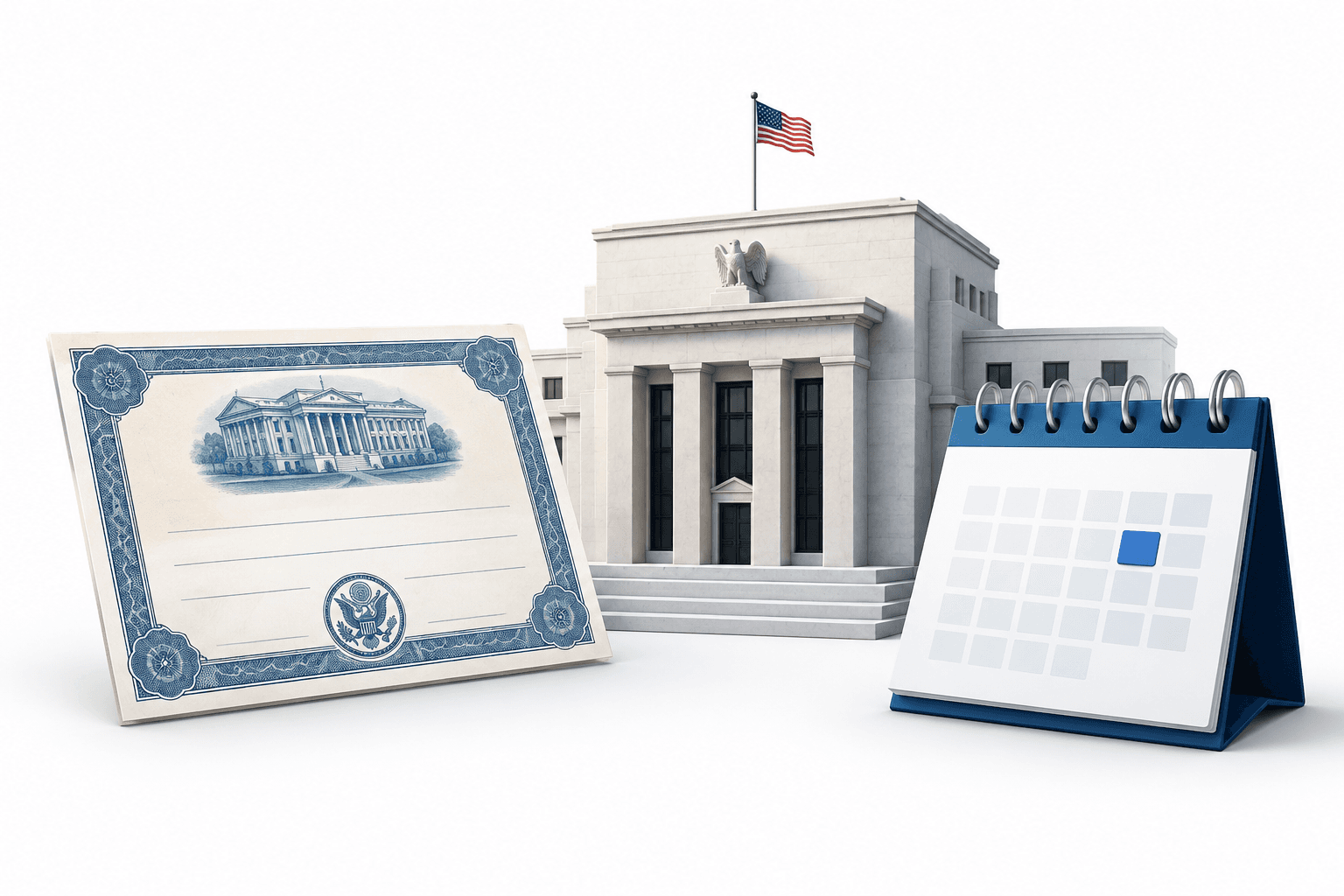
Treasury yields had retreated from their early October highs by October 28, 2026, but remained sharply higher for the year as investors awaited a Federal Reserve interest-rate decision. The benchmark 10-year yield was up 84 basis points in 2026, while the 30-year yield had risen nearly 50 basis points.
Key Takeaways
- The recent bond recovery followed a selloff that lasted nearly two months from August.
- Investors broadly expected the Fed to hold rates steady, while also considering the possibility of a December increase.
- Inflation, government borrowing and uncertainty around AI investment remained concerns for bond investors.
Treasury yields remain higher for the year
Despite the recent pullback, the 10-year yield was on track for its largest annual increase since 2022. The 30-year yield’s rise was its largest for a year since 2024. Bond prices generally move inversely to yields, so the recent decline in yields accompanied a recovery in Treasury prices.
Concerns about financing difficulties among some artificial intelligence infrastructure businesses have coincided with the rebound in government bonds. Christian Hoffmann, head of fixed income at Thornburg Investment Management, said AI investment developments and broader risk appetite were increasingly influencing bond markets. The price moves alone do not establish how much of the recovery those concerns caused.
Fed decision and inflation in focus
Investors broadly expected the Fed to leave interest rates unchanged at its October meeting, although markets were also pricing in the possibility of another increase in December. The Fed’s assessment of inflation and its guidance on future rates were in focus alongside the immediate decision.
The Fed’s October meeting calendar lists a two-day policy meeting on October 27–28 and a press conference on October 28. The calendar does not indicate what decision policymakers will make.
Consumer and producer prices rose in August and September, with elevated energy costs contributing to price pressures. Jack Herr, a senior investment analyst at GuideStone Funds, expects the Fed to raise rates again in 2026.
Borrowing and election uncertainty
Investors were also assessing substantial government and corporate borrowing. The US national debt had approached $40 trillion, while wider deficits increased government financing requirements.
A JPMorgan Treasury client survey showed investors had reduced outright long positions to their lowest level since mid-August. US midterm elections the following week added uncertainty about the outlook for spending and fiscal policy.
Read More News
Disclaimer
This FinanceVelix article provides general information, not personalized financial, investment, legal, or tax advice. Market prices, interest rates and economic conditions can change; investments carry a risk of loss. Facts reflect the material available when published and may change. Check important information independently and consult a qualified professional when needed. Mentioning an asset, company, or service is not an endorsement.


Comments
Be respectful. No spam, impersonation or private credentials. Ordinary posts and comments appear immediately; suspicious links are held for review.
Please wait…