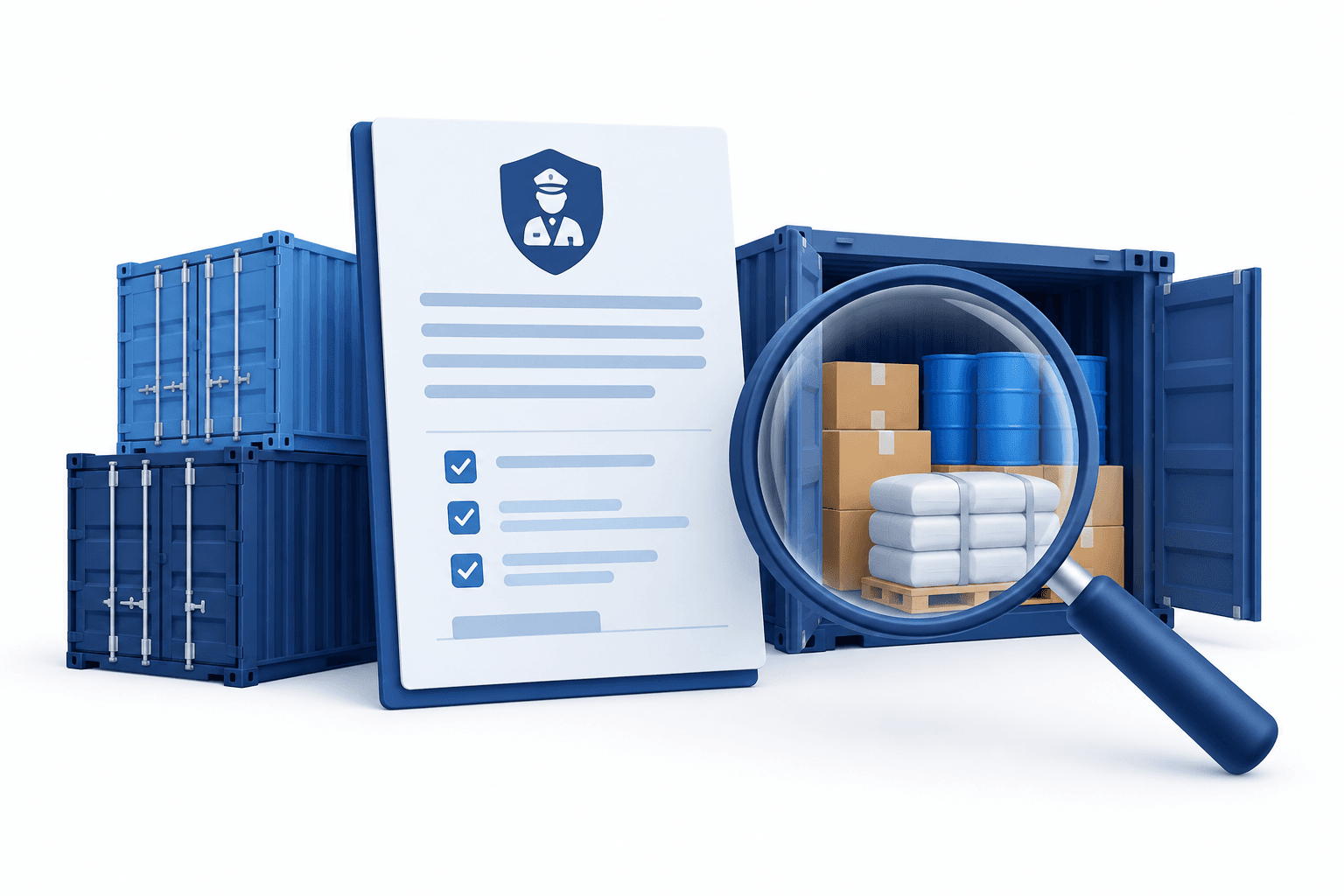
Tariff exemptions for beef, diamonds and smartphones are under scrutiny after Representative Jamie Raskin accused President Donald Trump of granting favorable treatment to allies and donors. The Maryland Democrat requested administration records by November 11, 2026.
Key Takeaways
- Raskin asked for communications about tariff relief involving the White House, trade officials and private-sector representatives.
- A White House official rejected the allegation, saying the administration’s decisions serve the American people.
Tariff exemptions and the records request
In an October 28 letter, Raskin, the ranking Democrat on the House Judiciary Committee, alleged that Trump used tariffs as a means of securing benefits for himself. He argued that several exemptions made little sense under the administration’s stated criteria.
Raskin requested records spanning Trump’s second term, including communications between the White House and the Office of the U.S. Trade Representative about tariff relief for more than a dozen industries. He also sought communications involving private-sector representatives, including Apple executive chairman Tim Cook and Rolex CEO Jean-Frederic Dufour.
A White House official, speaking anonymously, said the administration’s decisions were guided by the best interests of the American people. The trade representative’s office did not respond to a request for comment.
The products Raskin questioned
Raskin highlighted exemptions for beef and bovine products, diamond jewelry and Chinese smartphones. He pointed to donations and gifts connected to industry figures as reasons for questioning the decisions; his allegations do not establish that those contributions caused the exemptions.
Among the examples in his letter, Raskin cited a $5 million contribution to Trump’s 2024 inaugural fund by Pilgrim’s Pride, a U.S. subsidiary of meat processor JBS. He also pointed to Apple’s $25 million donation to the White House ballroom project.
The trade office’s stated policy
The trade office’s July Section 301 decision imposed duties on 60 economies over their failure to prohibit and effectively enforce bans on imports made with forced labor. It also set out categories for product exemptions, including goods for which tariffs may not substantially contribute to eliminating the practices identified in the investigations.
The decision explains the policy framework; it does not establish the motives behind the particular exemptions challenged by Raskin.
Next milestone
Raskin asked the administration to provide the records by November 11.
Read More News
Disclaimer
This FinanceVelix article provides general information, not personalized financial, investment, legal, or tax advice. Market prices, interest rates and economic conditions can change; investments carry a risk of loss. Facts reflect the material available when published and may change. Check important information independently and consult a qualified professional when needed. Mentioning an asset, company, or service is not an endorsement.


Comments
Be respectful. No spam, impersonation or private credentials. Ordinary posts and comments appear immediately; suspicious links are held for review.
Please wait…