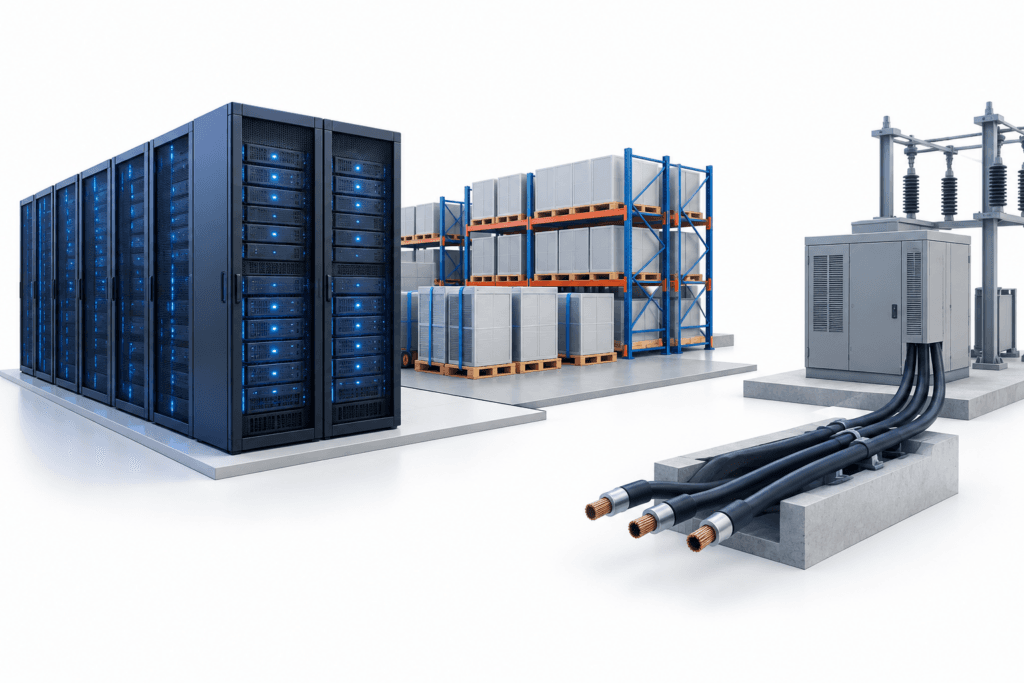
Extreme Networks previewed Extreme Exchange zones on October 21, 2026, outlining plans to run enterprise artificial intelligence on customers’ premises using computing capacity in their existing networks. General availability is planned for the first half of calendar 2027; the announcement is a roadmap preview, not an immediate product launch.
Key Takeaways
- Exchange zones would combine local servers with spare computing capacity in network equipment.
- AI models would run locally by default, with cloud processing permitted only under customer policy.
- Extreme expects lower data-transfer and inference costs, but has not quantified the savings.
Table of Contents
- Extreme Exchange zones move AI closer to enterprise data
- Customer policies would govern cloud access
- Cost and resilience benefits remain prospective
- Conclusion
Extreme Exchange zones move AI closer to enterprise data
Extreme’s on-premises AI roadmap would let enterprises run the same AI applications locally and in the cloud, choosing where data is processed rather than relying exclusively on remote infrastructure. The planned deployment locations include branch offices, retail stores and other distributed sites.
The approach puts existing networking equipment to an additional use: contributing spare computing capacity to local AI applications and plug-ins. Each zone would automatically place workloads according to customer requirements for latency, data residency and resilience.
That makes this more than a choice between buying a local server and using a cloud service. Extreme intends to pool resources across equipment already operating at individual sites, alongside a dedicated compute platform or qualifying customer-owned server.
| Item | Details |
|---|---|
| Local compute host | Extreme Universal Compute Platform or a qualifying customer-owned server. |
| Supplementary computing resources | Spare capacity from Extreme access points and switches. |
| Broader platform integration | Exchange zones form part of Extreme’s enterprise stack, alongside Platform ONE, Extreme AI and Agent ONE. |
Customer policies would govern cloud access
Under the proposed design, AI models would run locally by default. Cloud inference—the processing used to generate an AI model’s output—would be available only when customer policy allows it, and each occurrence would be logged.
Each zone would be limited to one site in one country. Extreme says customers would have visibility into data residency, model usage and data life cycles, including records of information that crosses the zone’s boundary.
The practical distinction is control over both processing location and exceptions. Customers could retain sensitive workloads locally while allowing selected cloud processing, rather than treating all AI workloads alike.
Cost and resilience benefits remain prospective
Extreme says local processing could reduce data transport, storage and recurring cloud inference costs. It also intends Exchange zones to keep time-sensitive applications operating at stores, warehouses and other sites when cloud connectivity deteriorates.
Those are expected benefits, not reported customer results. The announcement does not quantify savings or provide performance benchmarks, leaving the financial and operational gains to be demonstrated as the roadmap moves toward availability.
Conclusion
The next milestone is Extreme’s planned general availability in the first half of calendar 2027. Until then, Exchange zones remain a proposed deployment model whose cost and resilience benefits have yet to be quantified.
Read More News
Disclaimer
This FinanceVelix article provides general information, not personalized financial, investment, legal, or tax advice. Market prices, interest rates and economic conditions can change; investments carry a risk of loss. Facts reflect the material available when published and may change. Check important information independently and consult a qualified professional when needed. Mentioning an asset, company, or service is not an endorsement.