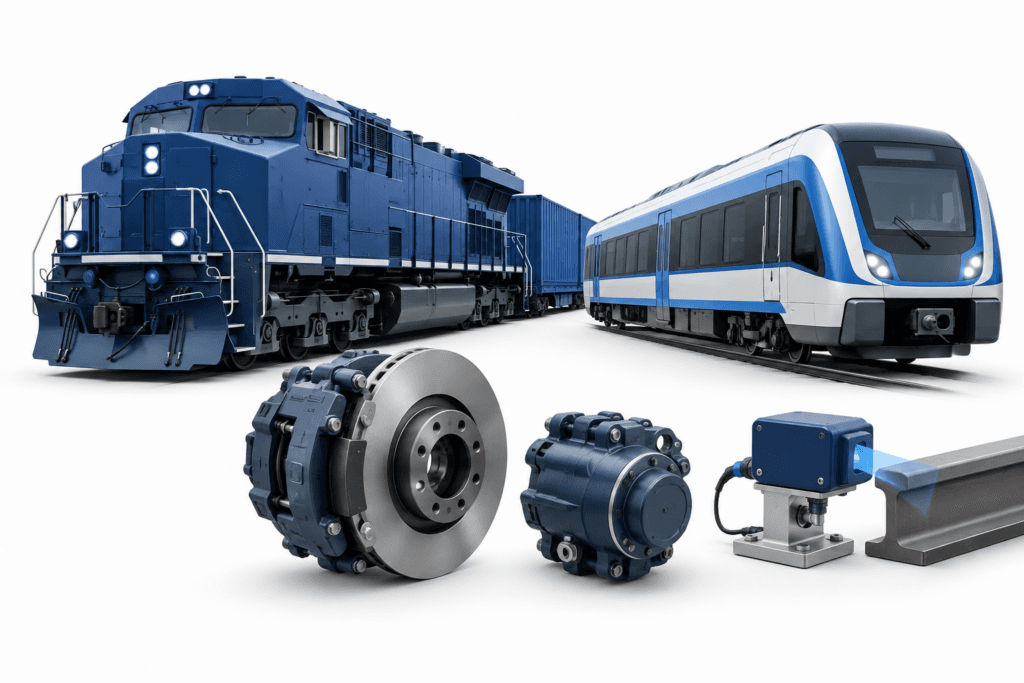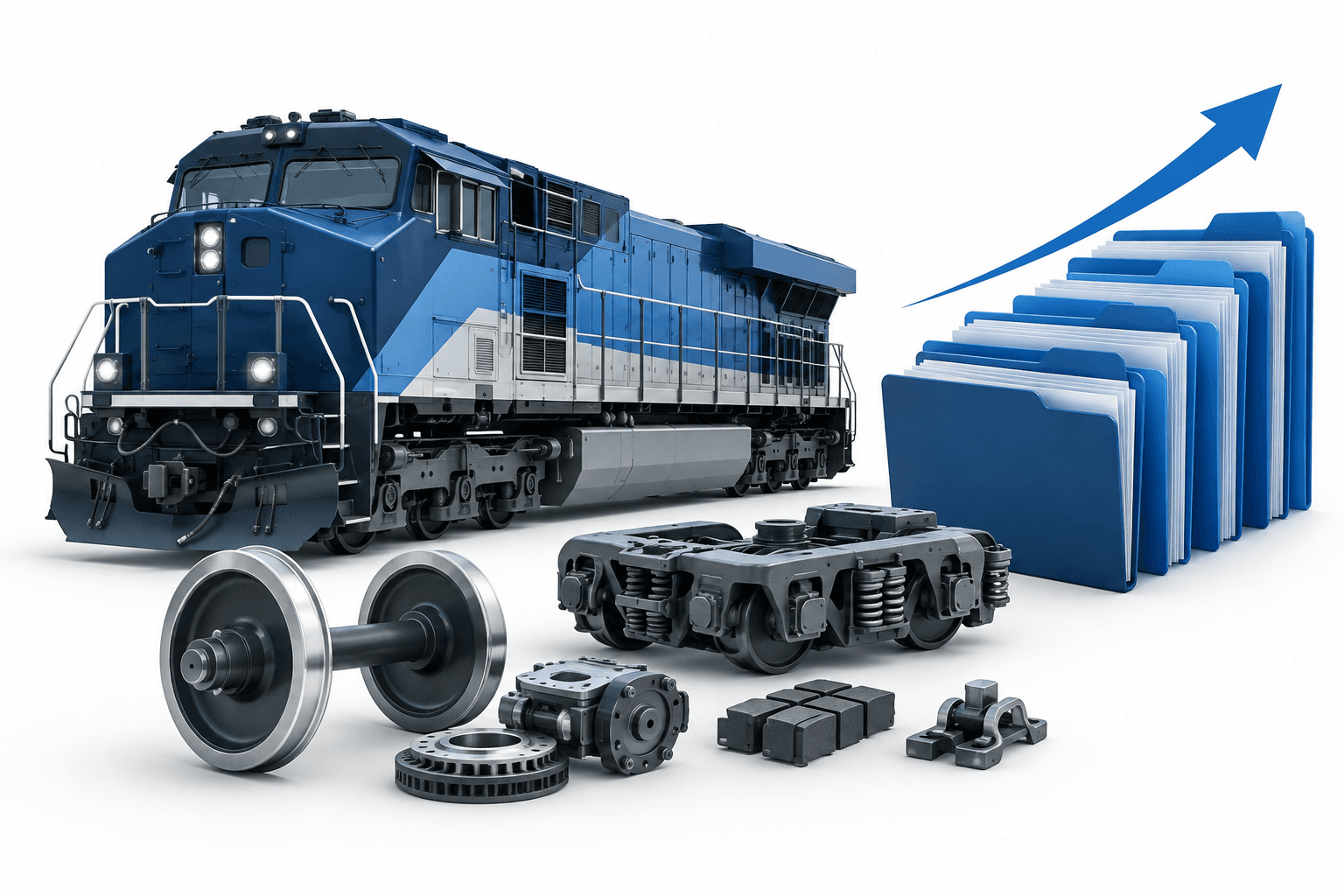
Wabtec backlog expanded in the third quarter of 2026, with multi-year orders rising by $5.86 billion from a year earlier as of September 30. The rail equipment and services supplier announced the increase on October 21 alongside higher quarterly sales and earnings and an increase in its full-year adjusted earnings guidance.
Key Takeaways
- Multi-year backlog increased 21.4% excluding foreign-exchange effects.
- Third-quarter sales rose 8.1% to $3.12 billion, while adjusted earnings per share increased 22.0%.
- Wabtec raised and narrowed its 2026 adjusted EPS outlook while maintaining its revenue forecast.
Table of Contents
- Wabtec backlog growth extends revenue visibility
- Freight and Transit both lift quarterly sales
- Higher earnings guidance, unchanged revenue forecast
- Conclusion
Wabtec backlog growth extends revenue visibility
Wabtec’s third-quarter results announcement showed that its 12-month backlog increased by $730 million from the prior-year period. Excluding foreign-exchange effects, the multi-year backlog increased by $5.46 billion, or 21.4%.
Those dollar amounts represent year-over-year increases, not total backlog balances. The distinction matters: the company’s reported $5.86 billion multi-year increase measures the expansion in its order book, rather than the full value of outstanding business.
Wabtec said its multi-year backlog continued to provide strong visibility. Orders support future revenue opportunities, but they are not sales already recognized; project timing remains among the risks identified by the company.
| Item | Details |
|---|---|
| Third-quarter operating cash flow | $455 million, compared with $367 million a year earlier |
| Total debt at September 30 | $6.38 billion |
| Available liquidity at September 30 | $2.09 billion, including $1.61 billion under credit facilities |
| Third-quarter share repurchases | $305 million |
| Third-quarter dividends paid | $52 million |
Freight and Transit both lift quarterly sales
Third-quarter sales reached $3.12 billion, up 8.1% from a year earlier. GAAP diluted earnings per share rose 33.7% to $2.42, while adjusted diluted EPS increased 22.0% to $2.83.
Freight segment sales grew 6.9%. Services benefited from core demand and higher modernization deliveries, while Digital sales increased 24.2%, supported by the Frauscher Sensor Technologies acquisition and core digital demand. Equipment sales rose just 0.3%, as increased mining sales were partly offset by lower locomotive deliveries.
Transit sales increased 11.3%, reflecting the Dellner Couplers acquisition and higher original-equipment and aftermarket sales. Currency movements weighed on that segment: sales growth was 12.5% on a constant-currency basis.
GAAP operating margin reached 20.0%, and adjusted operating margin rose 1.9 percentage points to 22.9%. Wabtec attributed the margin improvement to sales growth and better gross margins.
Higher earnings guidance, unchanged revenue forecast
Management raised and narrowed its 2026 adjusted EPS guidance to $10.85–$11.05, increasing the midpoint by $0.20. The revised midpoint represents 22.0% growth from the prior year.
The company maintained its full-year revenue forecast of $12.30 billion–$12.60 billion, equivalent to 11.5% growth at the midpoint. The combination sets a higher adjusted profit expectation without increasing the sales range.
Adjusted EPS is a non-GAAP measure. Wabtec said it could not reconcile its forecast to GAAP EPS with reasonable certainty because the timing and impact of restructuring, acquisition-related and certain other charges remained uncertain.
Conclusion
Wabtec’s larger order book accompanied stronger sales and margins, rather than standing alone as a demand indicator. The next test is full-year delivery against the company’s unchanged revenue range and higher adjusted earnings target.
Read More News
Disclaimer
This FinanceVelix article provides general information, not personalized financial, investment, legal, or tax advice. Market prices, interest rates and economic conditions can change; investments carry a risk of loss. Facts reflect the material available when published and may change. Check important information independently and consult a qualified professional when needed. Mentioning an asset, company, or service is not an endorsement.