Steel Dynamics earnings rose to $756 million, or $5.26 per diluted share, in the third quarter of 2026 as record steel shipments and wider margins boosted profit. The results, released October 19 ahead of the company’s October 20 earnings call, also showed narrower aluminum startup losses, although production volumes fell short of management’s expectations.
Key Takeaways
- Quarterly profit increased from $534 million in the preceding quarter and $404 million a year earlier.
- Higher steel selling prices and lower scrap costs helped lift steel operations’ operating income 43% sequentially.
- Management expects aluminum volumes and profitability to improve in the fourth quarter, with further equipment commissioning planned.
Table of Contents
- Steel Dynamics earnings benefit from wider steel margins
- Aluminum production improves after coolant adjustment
- Fabrication gains contrast with recycling weakness
- Cash generation funds investment and shareholder returns
- Conclusion
Steel Dynamics earnings benefit from wider steel margins
The company’s third-quarter 2026 results announcement reported net sales of $6.5 billion and record steel shipments of 3.8 million tons. Steel operations generated $1.0 billion in operating income, supported by both increased shipments and a wider spread between selling prices and scrap costs.
The average external steel selling price rose $102 from the second quarter to $1,400 per ton, while average ferrous scrap cost per ton melted declined $8 to $404. Those movements improved the economics of each ton sold, alongside the contribution from higher volume.
Chairman and Chief Executive Officer Mark Millett described domestic demand as steady, with low customer inventories and historically low imports. Energy, nonresidential construction, automotive and industrial customers led steel demand during the quarter.
| Item | Details |
|---|---|
| Q3 operating cash flow | $846 million |
| Q3 capital investment | $150 million |
| Q3 cash dividends | $76 million |
| Q3 share repurchases | $276 million |
Aluminum production improves after coolant adjustment
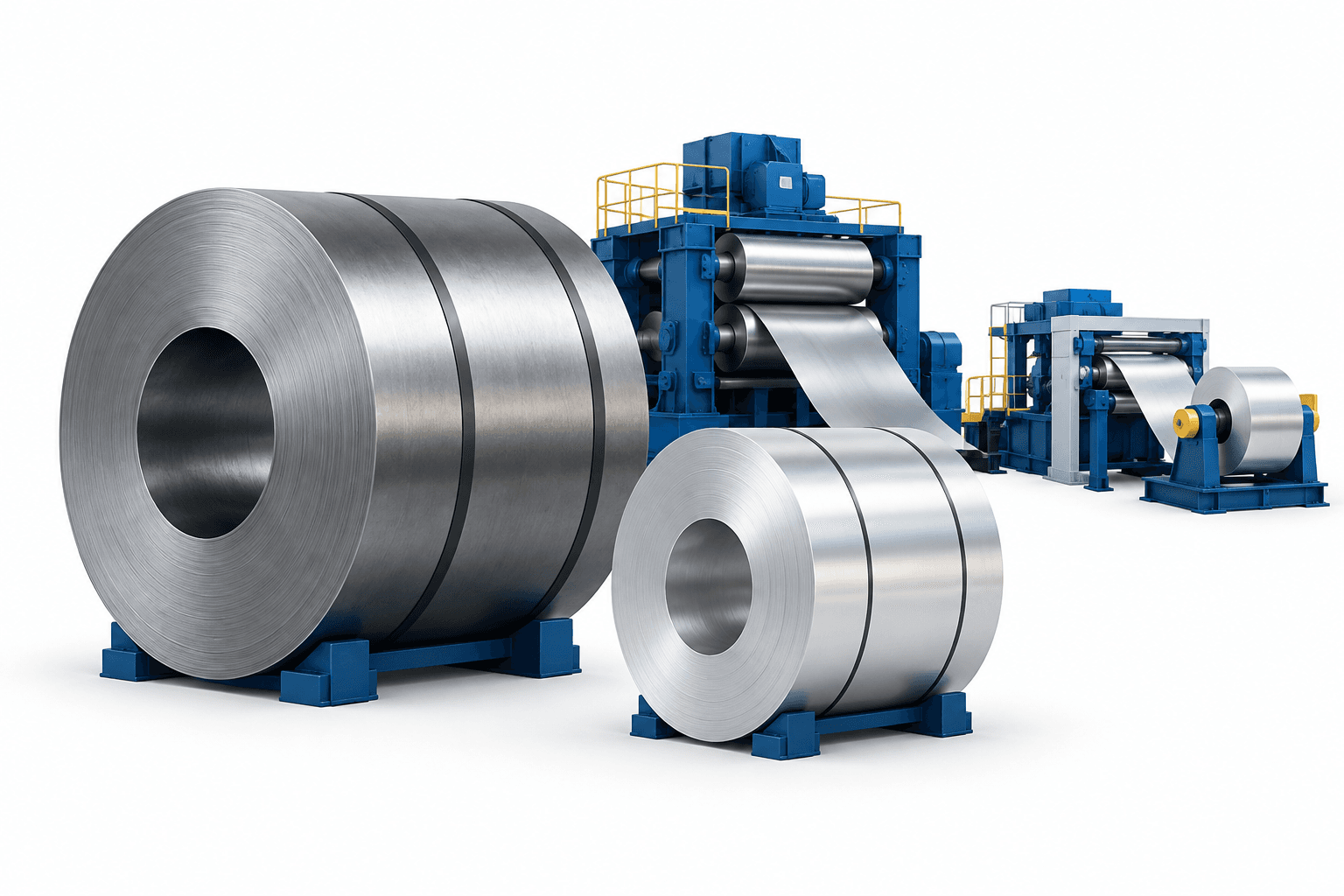
Aluminum operations recorded a $26 million operating loss, a 21% improvement from the second quarter, and reached breakeven on an EBITDA basis. The business shipped 55,000 metric tons of flat-rolled sheet and produced 91,000 metric tons of hot band.
Millett said volumes were below expectations for several weeks because quality problems increased yield losses at higher operating speeds. He attributed the issue to the hot strip mill’s rolling coolant composition and said the composition had been changed successfully, with no ongoing additional costs expected from the matter.
All three cold mills were operational. The first of two Continuous Annealing and Solution Heat lines was also operating, with finished automotive product shipments expected before the end of 2026. The second line was expected to become operational early in the first quarter of 2027. These remain management’s production expectations rather than completed milestones.
Fabrication gains contrast with recycling weakness
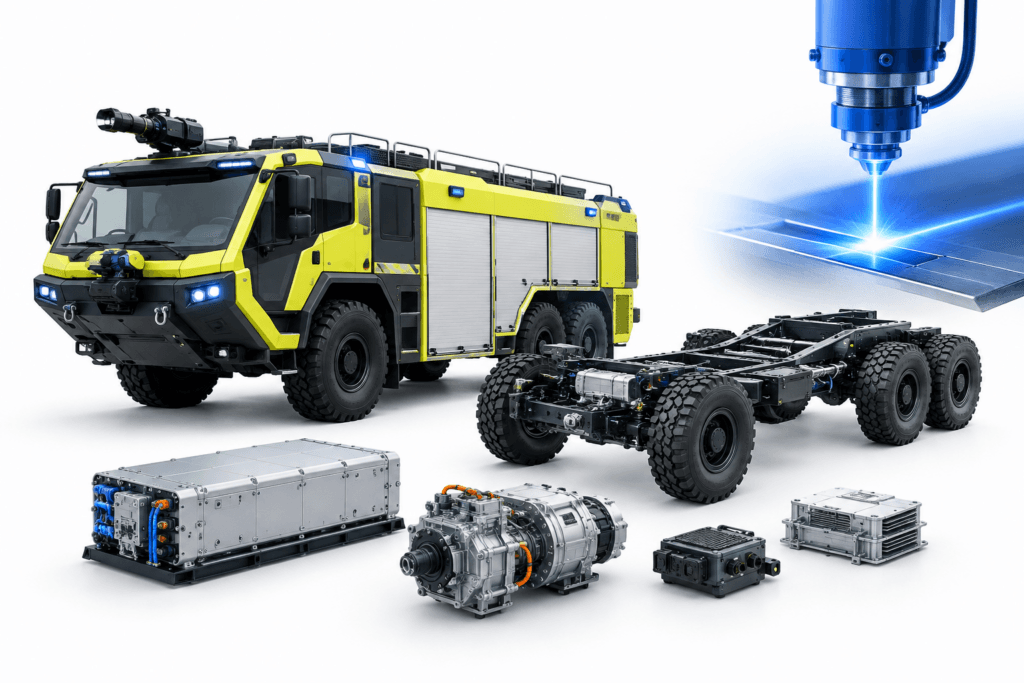
Steel fabrication operating income increased to $91 million from $85 million in the second quarter. Shipments rose 18%, and improved realized pricing helped offset higher steel input costs.
The fabrication order backlog was 50% higher than a year earlier and extended into the second quarter of 2027. Management identified commercial construction, manufacturing, warehouses, data centers and healthcare as demand drivers.
Metals recycling moved in the opposite direction: operating income fell $15 million sequentially to $33 million as lower ferrous scrap prices compressed spreads despite steady volume. Lower scrap prices therefore helped steelmaking costs while weighing on recycling profitability.
Cash generation funds investment and shareholder returns
Operating cash generation supported capital spending, dividends and share repurchases during the quarter. Steel Dynamics ended September with $2.4 billion of liquidity, while continuing to fund the aluminum production ramp-up.
Conclusion
The next operating milestones are the expected shipment of finished automotive aluminum products before year-end and the second heat-treatment line’s planned startup in early 2027. Management expects improving yields, utilization and startup costs to support better aluminum profitability, but that improvement remains an outlook rather than a reported result.
Read More News
Disclaimer
This FinanceVelix article provides general information, not personalized financial, investment, legal, or tax advice. Market prices, interest rates and economic conditions can change; investments carry a risk of loss. Facts reflect the material available when published and may change. Check important information independently and consult a qualified professional when needed. Mentioning an asset, company, or service is not an endorsement.