Nel earnings for the third quarter of 2026 showed a sharp divide between growing PEM electrolyzer demand and weak alkaline activity. The hydrogen equipment maker reported customer revenue of NOK 112 million, down 63% year on year, on October 15, 2026. Group order intake rose 339% to NOK 253 million, but the EBITDA loss widened to NOK 93 million from NOK 37 million a year earlier.
Key Takeaways
- PEM revenue rose 65%, while alkaline revenue fell 91%, driving the group sales decline.
- Order backlog reached NOK 1.314 billion, with PEM accounting for 97% of quarterly orders.
- Operating cash outflow was NOK 200 million, and both HYDS project sites were classified as at risk.
Table of Contents
- Nel earnings reveal a widening split between businesses
- PEM orders grow, but backlog carries delivery risk
- Defense orders and Hydrasun broaden PEM opportunities
- Technology targets remain development milestones
- Conclusion
Nel earnings reveal a widening split between businesses
Nel’s third-quarter 2026 financial results show PEM revenue increased to NOK 89 million, supported by containerized electrolyzer contracts and improved project execution. Alkaline revenue fell to NOK 23 million after a prolonged period of limited orders.
The stronger PEM business was not large enough to offset the alkaline decline. PEM’s EBITDA loss narrowed by NOK 10 million year on year, while the alkaline business’s loss widened despite cost reductions.
Operating activities consumed NOK 200 million during the quarter. Nel ended September with NOK 1.078 billion in cash, compared with NOK 1.757 billion a year earlier. The cash balance provides funding for operations and technology development, but the quarter still showed substantial cash consumption.
| Item | Details |
|---|---|
| Total revenue and income | NOK 138 million in Q3 2026; NOK 349 million in Q3 2025. |
| Net loss | NOK 141 million in Q3 2026; NOK 85 million in Q3 2025. |
| PEM segment EBITDA | Loss of NOK 24 million in Q3 2026. |
| Alkaline segment EBITDA | Loss of NOK 41 million in Q3 2026. |
| Quarter-end backlog by segment | PEM: NOK 1.116 billion; alkaline: NOK 198 million. |
PEM orders grow, but backlog carries delivery risk
Group backlog increased 34% year on year and 8% from the previous quarter. Its composition has shifted from predominantly alkaline equipment to predominantly PEM, reflecting demand for Nel’s containerized systems.
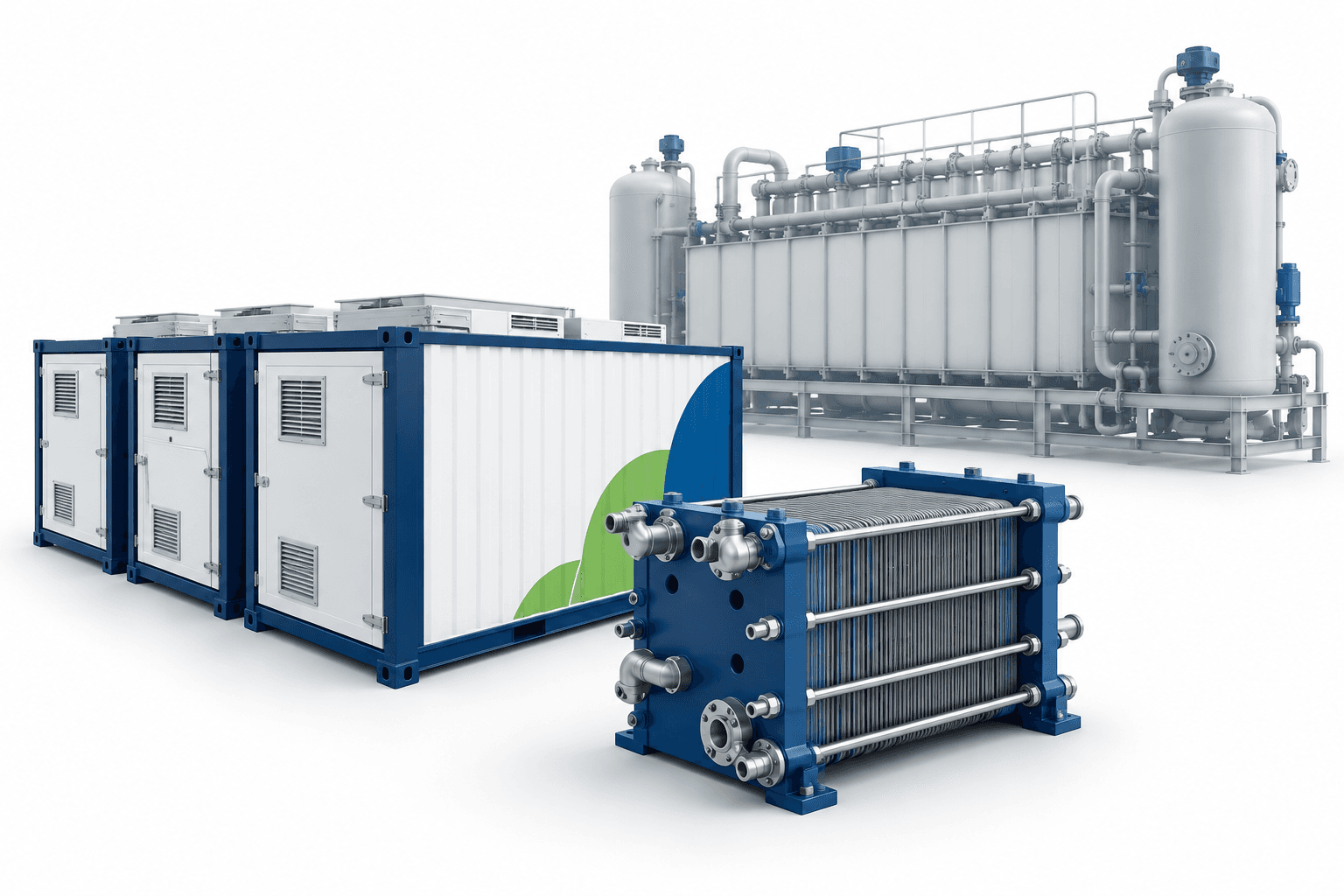
Chief Executive Håkon Volldal said customers increasingly begin projects with 10- to 50-megawatt installations and add capacity in stages. Standardized systems allow customers to match equipment spending more closely with hydrogen sales while avoiding some custom engineering costs. Nel has sold close to 30 containerized units.
Not all backlog has the same delivery certainty. Chief Financial Officer Kjell Bjornsen said both HYDS project sites were now classified as at risk, compared with one in the second quarter. Continued delays mean the projects may not be delivered in 2027.
Bjornsen also said roughly half of the alkaline backlog represents future milestone payments under a technology licensing agreement. The remainder comprises numerous smaller orders, making the backlog different from a pipeline composed entirely of equipment deliveries.
Defense orders and Hydrasun broaden PEM opportunities
Nel secured approximately USD 20 million in aggregate submarine-related orders from Collins Aerospace for US, UK and French naval programs. The orders extend a 15-year collaboration supplying stacks for oxygen generation in submarine life-support systems; the total represents multiple orders rather than one contract.
A framework agreement with Scotland-based Hydrasun adds European integration capacity for containerized PEM systems. Stack production will remain in Wallingford, Connecticut, while Hydrasun integrates stacks into complete systems, improving delivery flexibility and reducing the need to ship finished containers from the United States.
Separately, Nel signed a memorandum of understanding with Rheinmetall to assess decentralized synthetic-fuel production for defense applications. The parties will examine technical and commercial feasibility, including sites, power access and sustainable carbon supplies. This remains an assessment initiative, not a confirmed production rollout.
Technology targets remain development milestones
Nel’s next-generation PEM stack, developed with General Motors, had completed close to 3,000 hours of subscale testing. Full-scale testing is expected to begin in 2027.
Management’s design targets include a 70% cost reduction against the current platform, 50% fewer components and stack-level electricity consumption of 48 kilowatt-hours per kilogram of hydrogen, compared with 52–53 today. These are development goals, not achieved commercial results.
Testing also continues on the pressurized alkaline technology commercially launched in May 2026. Volldal said advanced customer discussions were under way, but first customer announcements remained at least several months away.
Conclusion
PEM demand strengthened Nel’s order book, but weak alkaline activity and cash consumption continued to weigh on results. The next stated milestones are initial customer announcements for pressurized alkaline technology and the expected start of full-scale PEM stack testing in 2027.
Read More News
Disclaimer
This FinanceVelix article provides general information, not personalized financial, investment, legal, or tax advice. Market prices, interest rates and economic conditions can change; investments carry a risk of loss. Facts reflect the material available when published and may change. Check important information independently and consult a qualified professional when needed. Mentioning an asset, company, or service is not an endorsement.