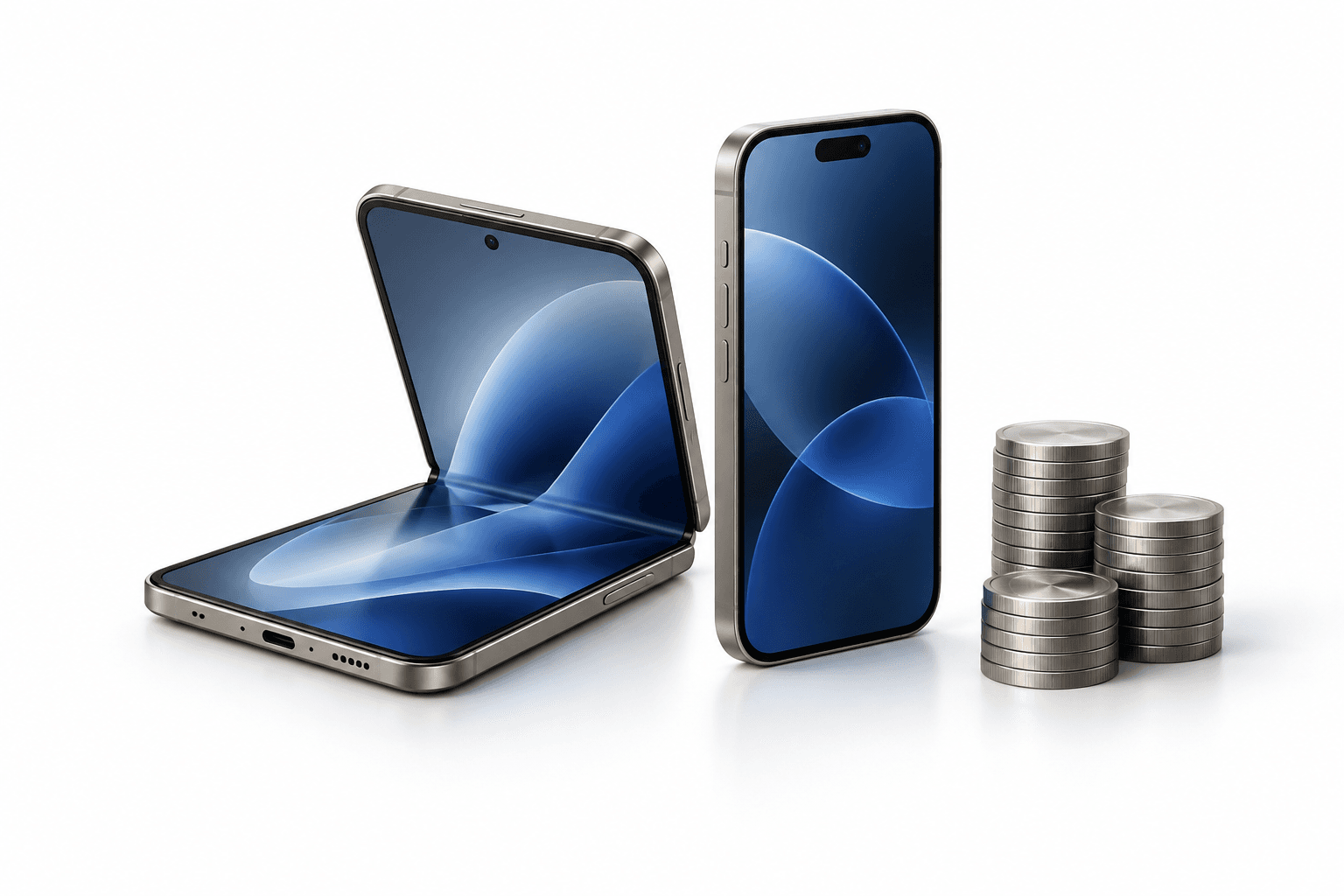
Apple opened preorders for its $1,999 iPhone Duo on October 16, 2026, with launch-day pickup inventory selling out and some delivery estimates slipping into late January 2027. The first foldable iPhone gives Apple a new way to increase revenue from its highest-spending customers, even if the device remains a small part of overall shipments.
Key Takeaways
- The Duo starts at $1,999 and exceeds $3,000 at the 2TB storage tier.
- Analysts expect its higher selling price to matter more to Apple than its initial shipment volume.
- Early delivery delays reflect pressure on available supply, not a disclosed preorder sales total.
Table of Contents
- iPhone Duo opens a higher-priced tier
- Why a small shipment share could still matter
- Limited supply complicates the early demand signal
- Higher prices carry an upgrade-cycle risk
- Conclusion
iPhone Duo opens a higher-priced tier
Apple called preorder demand “nothing short of extraordinary” and said it would continue accepting online orders while working to get devices to customers. The Duo establishes a price tier above the Pro and Pro Max, making the launch a test of customers’ willingness to pay substantially more for a different design.
Apple’s iPhone Duo announcement sets October 23, 2026, as the start of availability. The device opens into a larger-screen format intended for viewing content, gaming and multitasking, bringing a foldable option to customers already using Apple’s ecosystem.
Foldable Android phones have existed for years. IDC analyst Nabila Popal said the significance is less a new technology breakthrough than Apple introducing the format to its existing customer base. Moor Insights analyst Anshel Sag expects the Duo to become a status symbol during the holiday season and potentially into 2027.
| Item | Details |
|---|---|
| Inner display | 7.6 inches, according to Apple |
| Outer display | 5.4 inches, according to Apple |
| Processor | A20 Pro |
| Announced finishes | Star white and night sky |
Why a small shipment share could still matter
IDC expects Apple to ship roughly 7 million Duos in 2026, equivalent to about 3% of the company’s total phone shipments. Popal forecasts another 70% increase in Duo shipments in 2027. Those are analyst estimates, not Apple guidance or completed sales.
The broader foldable market illustrates the revenue opportunity. IDC expects foldables to represent just over 2% of global smartphone units in 2026 but nearly 7% of industry revenue. By 2030, it forecasts about 3% of units and 10% of revenue.
For Apple, an existing customer choosing a Duo instead of a roughly $1,200 premium iPhone could increase revenue without adding another buyer. JPMorgan expects the Duo’s higher average selling price to have a disproportionate effect on iPhone revenue, with overall iPhone shipments expected to remain roughly flat in 2027.
D.A. Davidson analyst Gil Luria identified other possible benefits: attracting buyers who previously chose folding Android phones and drawing shoppers into stores who ultimately purchase a less expensive iPhone. Neither outcome has yet been established by the preorder activity.
Limited supply complicates the early demand signal
Counterpoint Research Director Tarun Pathak expects initial demand to exceed supply. He cited an installed base of roughly 1.4 billion iPhones against the roughly 6 million or fewer Duo units Counterpoint expects to be available in the near term.
IDC also expects initial supply constraints because of the device’s complexity and Apple’s manufacturing and quality standards. Long delivery estimates therefore cannot, by themselves, establish the eventual scale of sales: both customer interest and limited production affect the wait.
The distinction matters for assessing the launch. Apple’s statement describes strong interest, but the supplied information contains no quantified preorder total that would allow a direct comparison with analyst shipment forecasts.
Higher prices carry an upgrade-cycle risk
TechInsights analyst Wayne Lam said moving upmarket offers Apple a way to protect iPhone revenue as smartphone growth slows and consumers keep devices longer. But he also warned that higher prices could encourage customers to postpone replacement even further.
The Duo’s commercial test extends beyond its first allocation selling out. Apple must turn premium interest into sustained sales without relying on a broad acceleration in phone upgrades. For now, the expected revenue benefit remains an analyst assessment rather than a reported result.
Conclusion
The next confirmed milestone is the October 23 launch. That begins the broader availability test for a device whose financial importance may depend more on spending per customer than on mass-market shipment volumes.
Read More News
Disclaimer
This FinanceVelix article provides general information, not personalized financial, investment, legal, or tax advice. Market prices, interest rates and economic conditions can change; investments carry a risk of loss. Facts reflect the material available when published and may change. Check important information independently and consult a qualified professional when needed. Mentioning an asset, company, or service is not an endorsement.