Federal Reserve Chair Kevin Warsh left the direction of Fed policy open on October 16, 2026, declining to signal a decision ahead of the central bank’s October meeting. His remarks followed stronger-than-expected September readings for both U.S. consumer and producer prices.
Key Takeaways
- Warsh said he would not prejudge the Fed’s remaining meetings of 2026.
- September producer inflation reached 6.3% year over year, above a 5.5% forecast.
- Gasoline drove more than half of September’s monthly consumer-price increase.
Table of Contents
- Fed policy: Warsh declines to commit before October meeting
- September inflation strengthens across headline measures
- Conclusion
Fed policy: Warsh declines to commit before October meeting
Speaking with International Monetary Fund Managing Director Kristalina Georgieva in Bangkok, Warsh offered no advance commitment on the Fed’s next move in his final public appearance before the October meeting.
“I don't believe in saying now what I might do at the meetings that we have in the balance of this year,” Warsh said, adding that he does not “prejudge meetings.”
He also described a “synchronous tightening in monetary policy in most places around the world,” saying there were no “free riders” in the global fight against price increases. That observation described the international policy backdrop rather than announcing a U.S. interest-rate decision.
| Item | Details |
|---|---|
| Shelter | Prices rose 0.4% in September and 3.2% over 12 months. |
| Food | Prices were unchanged in September and rose 2.5% over 12 months. |
| Energy | Prices rose 20.4% over the 12 months ending September. |
September inflation strengthens across headline measures
The Bureau of Labor Statistics’ September consumer price release showed annual inflation rising to 3.7% from 3.4% in August. The September result exceeded the 3.6% forecast, while the seasonally adjusted monthly increase accelerated to 0.6% from 0.4%.
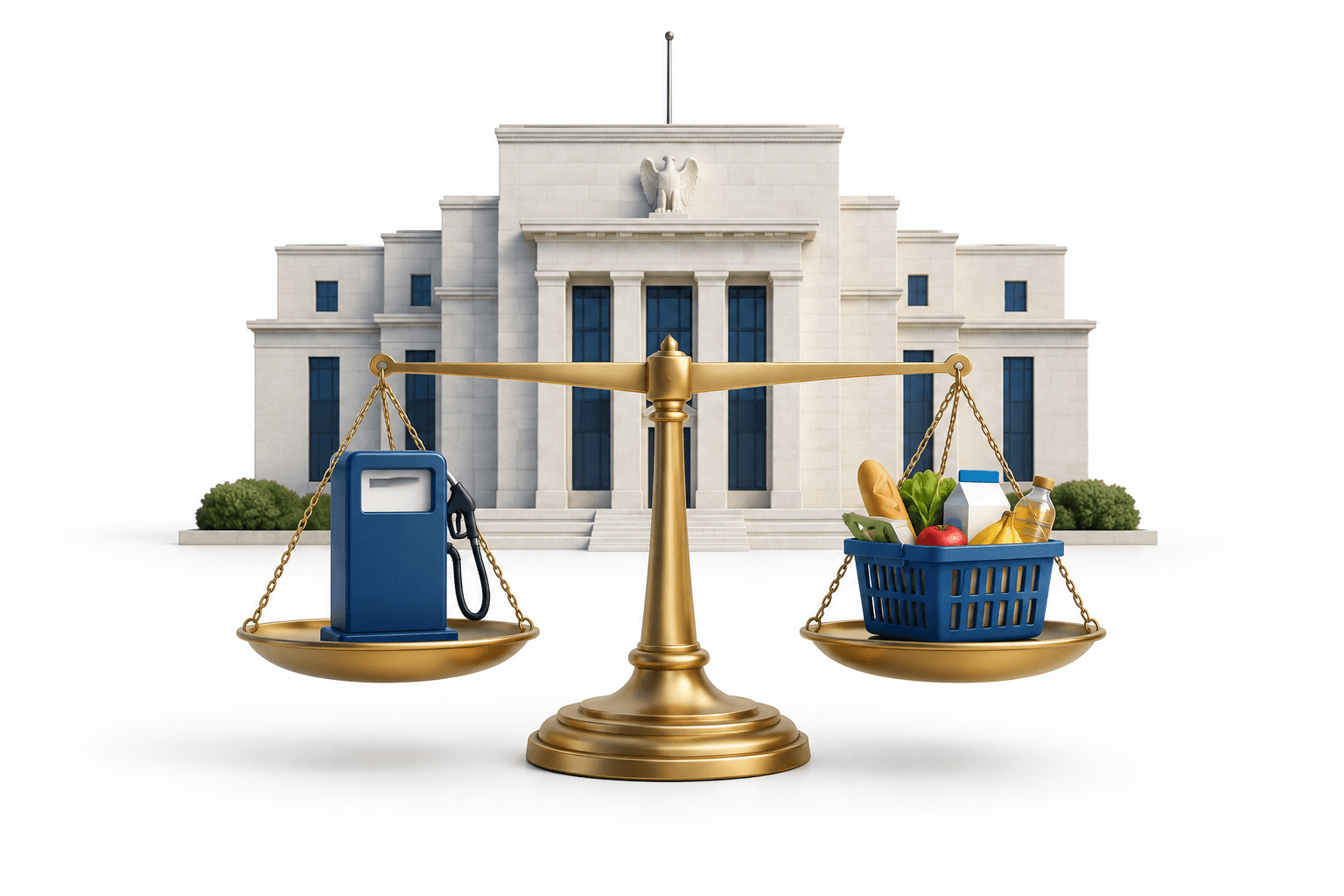
Gasoline prices rose 9.1% over the month, accounting for more than half of the overall monthly increase. Energy prices increased 5.2%, making that category a major contributor to the faster headline reading.
Inflation excluding food and energy was less volatile: this core measure rose 0.3% in September, matching August’s monthly pace. Its annual increase nevertheless picked up to 2.6% from 2.4%. The distinction matters because the headline acceleration was heavily influenced by energy, while price increases outside food and energy continued.
Producer prices separately rose 6.3% from a year earlier, compared with a 5.5% forecast. Both headline releases therefore exceeded expectations, but neither establishes what the Fed will decide. Warsh’s refusal to commit leaves the October outcome unresolved.
Conclusion
The next policy milestone is the Fed’s October meeting, with Warsh having offered no advance commitment. The next consumer inflation report, covering October, is scheduled for November 10, 2026.
Read More News
Disclaimer
This FinanceVelix article provides general information, not personalized financial, investment, legal, or tax advice. Market prices, interest rates and economic conditions can change; investments carry a risk of loss. Facts reflect the material available when published and may change. Check important information independently and consult a qualified professional when needed. Mentioning an asset, company, or service is not an endorsement.