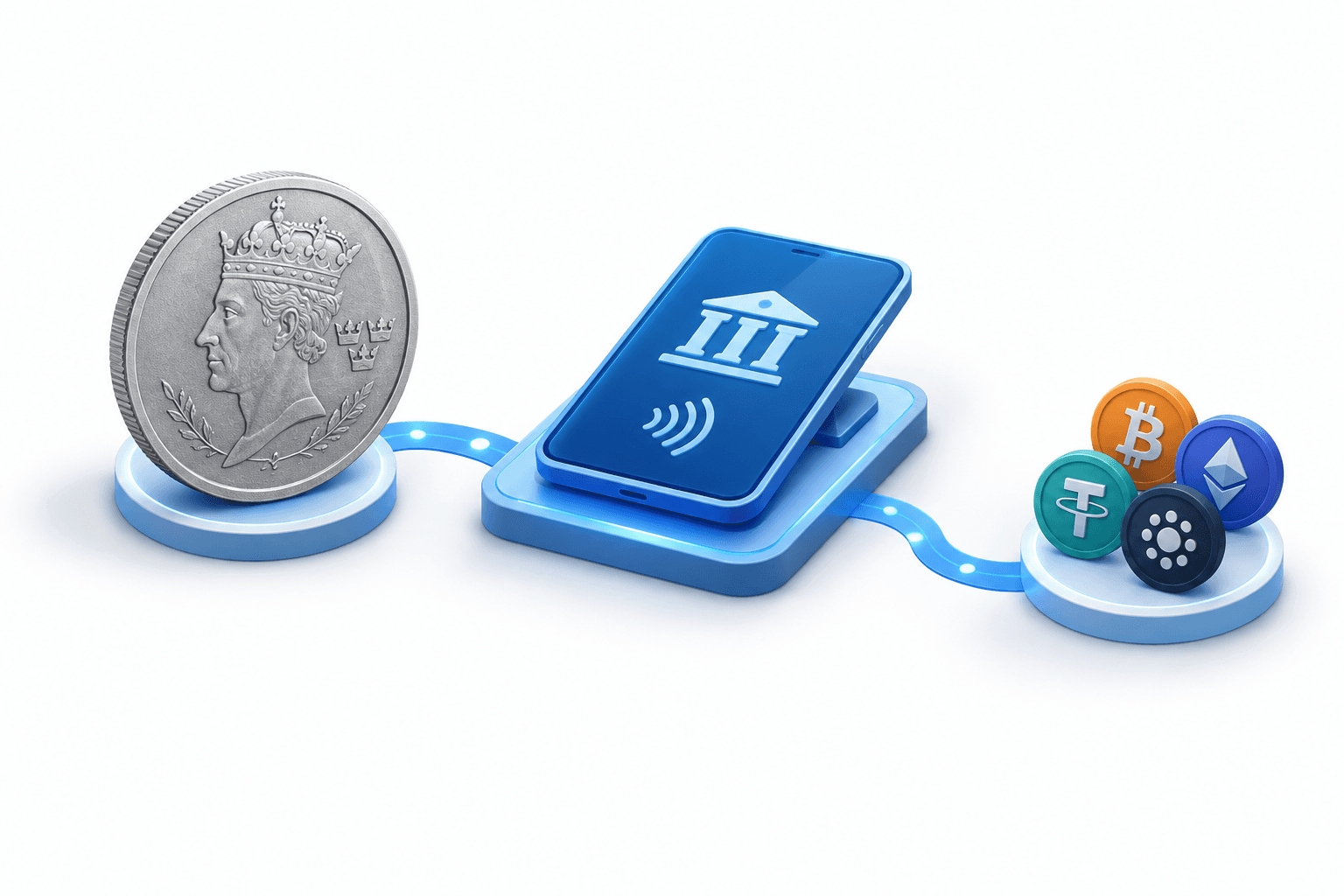
The e-krona debate returned to Sweden’s policy agenda in the Riksbank’s March 2026 Payments Report, with the central bank recommending an inquiry into legal changes needed for a possible digital currency. The recommendation is preparation for a potential parliamentary decision, not approval to launch an e-krona.
Key Takeaways
- The Riksbank wants Sweden to prepare the legal groundwork for a possible e-krona.
- A digital euro could influence Swedish payment infrastructure and demand for the krona.
- The central bank sees potential payment benefits from stablecoins alongside consumer and dependency risks.
Table of Contents
- E-krona debate shifts toward legal readiness
- Why the digital euro matters for Sweden
- Stablecoins offer a different set of trade-offs
- Conclusion
E-krona debate shifts toward legal readiness
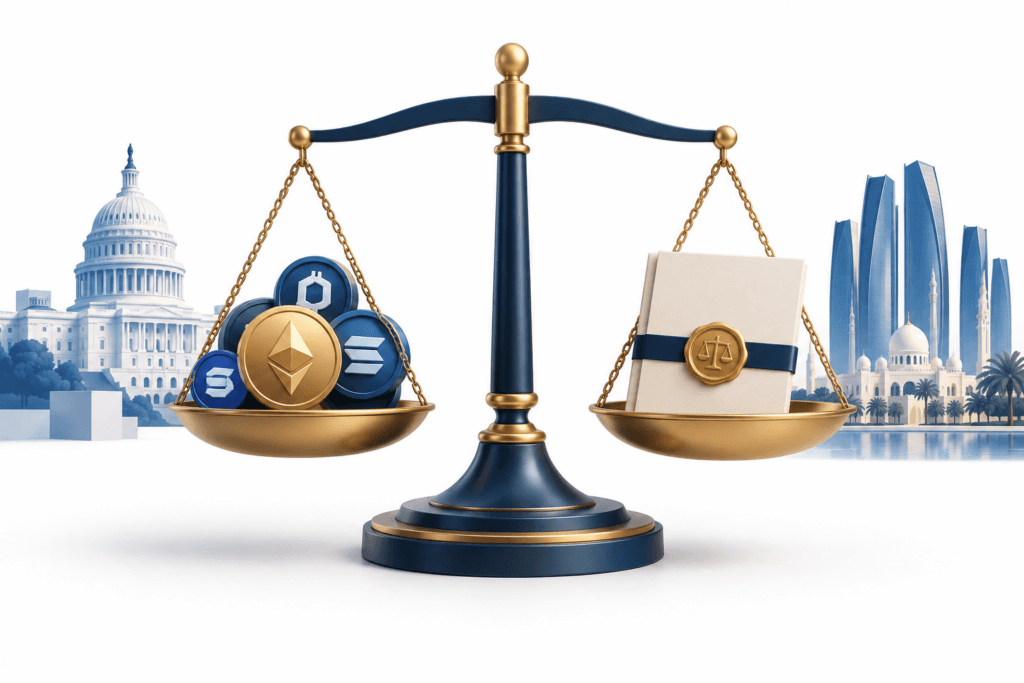
The Riksbank recommends that the government or parliament initiate an inquiry into the legislative changes needed to allow an e-krona to be introduced within a reasonable time, should parliament authorize one.
Its proposed timing is conditional: the inquiry would begin once the digital-euro regulation has been finalized and the European Central Bank has decided to issue the currency. Sweden’s parliament would still have to decide whether the Riksbank could issue an e-krona.
The Riksbank’s assessment of new forms of money explains the change in emphasis. A government payments inquiry concluded in 2023 that there was insufficient societal need for an e-krona, while acknowledging that economic, political and technological developments could warrant reassessment.
| Item | Details |
|---|---|
| 2017–2023 | The Riksbank investigated economic, legal and technical questions surrounding an e-krona. |
| Since 2023 | Its focus shifted to monitoring and analyzing international central-bank digital-currency work. |
| Digital-euro timetable | The March 2026 report cited a possible 2029 launch, conditional on a legal framework being in place. |
Why the digital euro matters for Sweden
The Riksbank argues that widespread digital-euro adoption could shape European payment infrastructure and regulation. If Swedish users developed strong demand for it, some payment flows could move away from the krona.
The concern is therefore broader than adding another payment method. It involves maintaining the krona’s technological competitiveness and limiting dependence on infrastructure controlled outside Sweden.
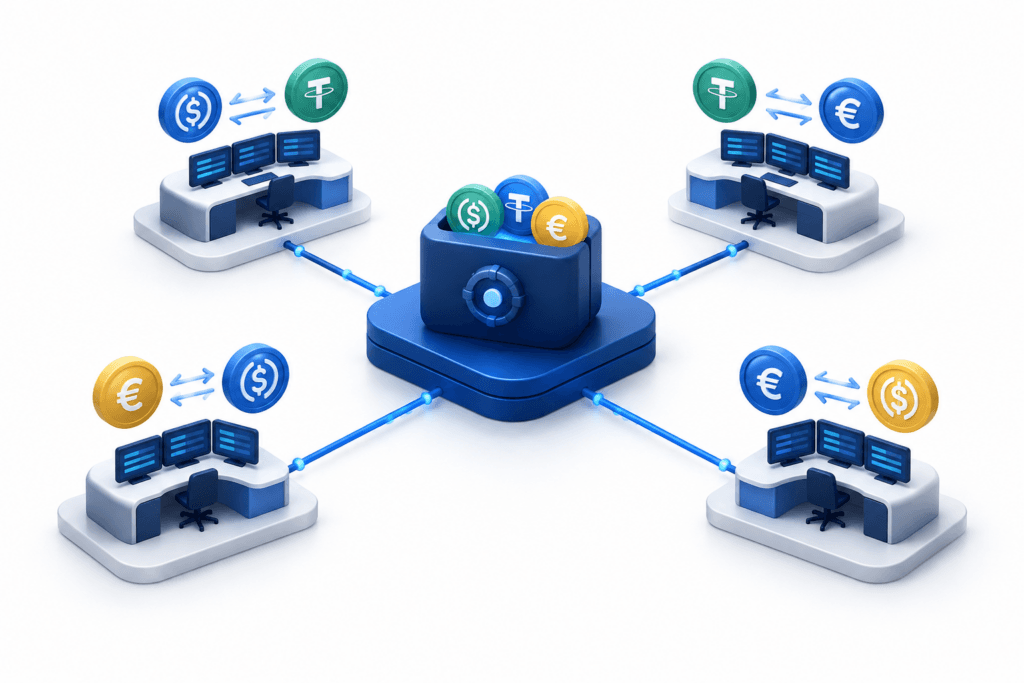
An eventual e-krona could, through an agreement with the ECB, use the digital-euro platform. The Riksbank says this could offer substantial cost advantages and compatibility with European payments. Planned offline functionality could also strengthen Sweden’s payment preparedness, but these remain potential features of a possible arrangement.
Stablecoins offer a different set of trade-offs
The March report also distinguishes public digital money from privately issued stablecoins. Stablecoins are designed to maintain a stable value, often against a national currency, and depend on issuers having sufficient liquid assets to meet redemptions.
The Riksbank sees possible benefits in cheaper, faster cross-border payments and settlement of tokenized assets. It also says stablecoins lack a strong competitive advantage in countries with well-developed payment systems.
Risks include losses if an issuer fails, the absence of government deposit-guarantee protection and forced reserve sales during heavy redemptions. Widespread use of foreign-controlled stablecoins could create another external dependency; in extreme cases, extensive use of another currency could weaken independent monetary policy.
Conclusion
The March 2026 recommendation establishes a case for legal preparation, not an issuance decision. The milestones identified by the Riksbank are completion of digital-euro legislation and an ECB decision to issue, followed by the proposed Swedish inquiry.
Read More News
Disclaimer
This FinanceVelix article provides general information, not personalized financial, investment, legal, or tax advice. Market prices, interest rates and economic conditions can change; investments carry a risk of loss. Facts reflect the material available when published and may change. Check important information independently and consult a qualified professional when needed. Mentioning an asset, company, or service is not an endorsement.