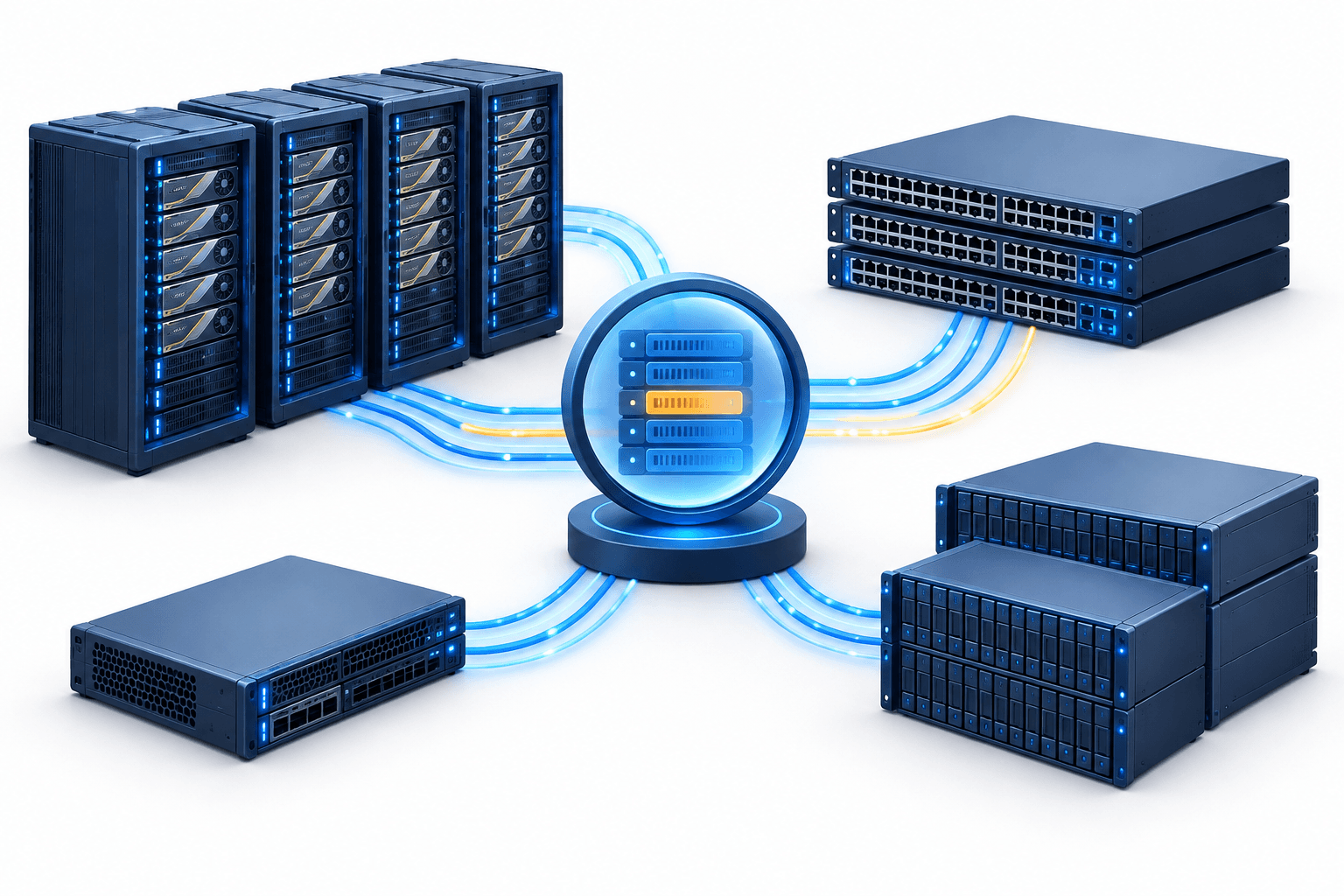
NVIDIA launched NVIDIA Minerva on October 22, 2026, introducing an AI-powered operations platform designed to detect infrastructure problems and help keep large AI computing facilities productive. IREN is already using the platform, while companies including IBM, Tesla and Lambda plan to deploy it.
Key Takeaways
- Minerva connects hardware and workload data to help operators identify the causes of slow or interrupted AI jobs.
- IREN is using the platform; seven other companies have announced deployment plans.
- NVIDIA describes improved uptime and faster repairs as intended benefits but provided no quantified customer results.
Table of Contents
- How NVIDIA Minerva connects infrastructure and workloads
- AI assistance supports troubleshooting and maintenance
- Customer use and planned deployments
- Conclusion
How NVIDIA Minerva connects infrastructure and workloads
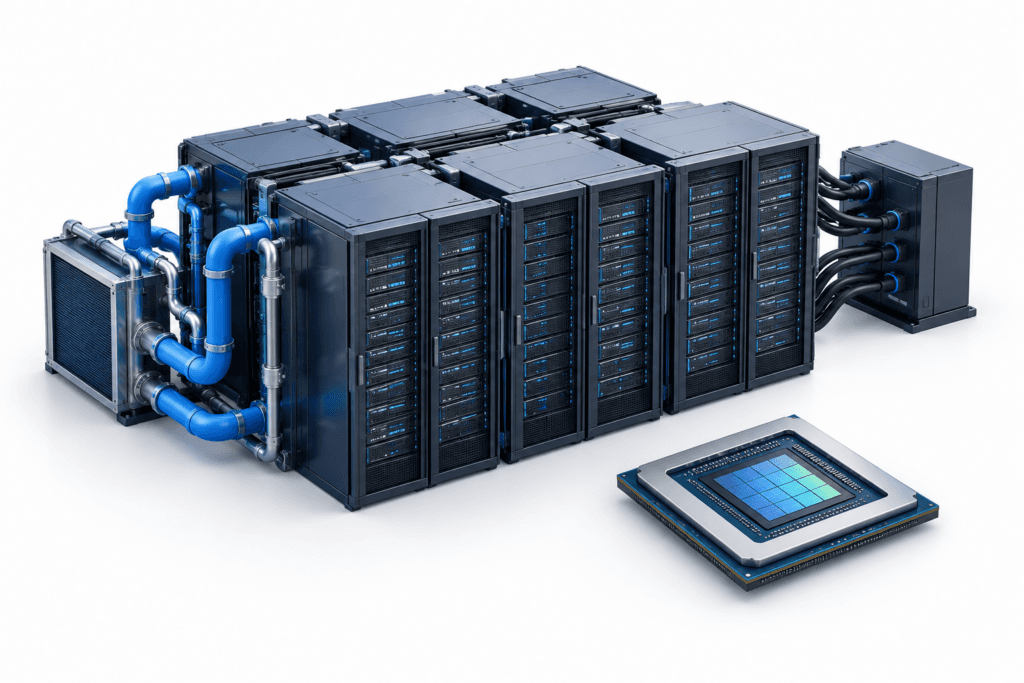
Large AI facilities depend on GPUs, networking, storage and scheduling systems working together. A single degraded component can slow an entire training job, while separate monitoring tools can leave operations teams looking at different pieces of the same problem.
NVIDIA Minerva’s full-stack observability capabilities bring infrastructure and workload telemetry into a shared view. A dynamic knowledge graph maps hardware, including GPUs, network adapters, switches and cables, alongside the jobs running across it.
NVIDIA says the platform analyzes billions of data points per hour using supervised and unsupervised machine learning. It is designed to learn normal behavior, detect anomalies, predict emerging failures and connect related events to a likely root cause.
The practical aim is to distinguish an underlying fault from the many alerts it can generate. Rather than investigating each symptom separately, operators can work from a consolidated incident tied to the affected infrastructure and workloads.
| Item | Details |
|---|---|
| Already using Minerva | IREN |
| Plan to deploy | Aolani, Bitdeer AI, IBM, Jio, Lambda, Quake AI and Tesla |
| Will offer Minerva in operations portfolios | Dell Technologies, Lenovo and Supermicro |
AI assistance supports troubleshooting and maintenance
Minerva includes a native AI assistant and connections to external agentic AI tools. Operators can ask questions about cluster health in natural language and receive recommended remedies grounded in live telemetry.
Teams can retain manual control over fixes or connect the platform to automation through infrastructure application programming interfaces and external systems. The announcement therefore describes both human-supervised troubleshooting and automated workflows, rather than requiring autonomous repairs.
NVIDIA frames the platform around AI factory yield: useful output measured through GPU hours, goodput, cluster uptime and token production. Earlier fault detection and quicker diagnosis are intended to protect that output, but the announcement did not quantify uptime gains, repair-time reductions or customer cost savings.
Customer use and planned deployments
IREN chief technology officer Denis Skrinnikoff said Minerva gives the company’s operations team one view across networks, GPUs and running jobs, helping it focus more on proactive maintenance rather than troubleshooting.
The other named users remain at the planned-deployment stage. NVIDIA also identified three hardware suppliers that will offer Minerva within their AI factory operations portfolios.
Conclusion
The next step is deployment by the companies that have announced plans and inclusion in suppliers’ operations portfolios. Those commitments are distinct from IREN’s existing use; the announcement provided no deployment dates or quantified performance results.
Read More News
Disclaimer
This FinanceVelix article provides general information, not personalized financial, investment, legal, or tax advice. Market prices, interest rates and economic conditions can change; investments carry a risk of loss. Facts reflect the material available when published and may change. Check important information independently and consult a qualified professional when needed. Mentioning an asset, company, or service is not an endorsement.