SAP revenue outlook announced on October 21, 2026, projects 10.6% constant-currency growth for 2026 and a faster pace in 2027. The software company expects its shift toward cloud services to continue, alongside an accelerating decline in revenue from traditional software support.
Key Takeaways
- SAP projects faster revenue growth in 2027, without specifying a growth rate.
- Management expects 2027 expense growth to track 80%–90% of revenue growth.
- Cloud adoption is expected to accelerate the decline in legacy software support revenue.
Table of Contents
- SAP revenue outlook pairs growth with rising expenses
- Cloud migration changes the revenue mix
- Conclusion
SAP revenue outlook pairs growth with rising expenses
The 10.6% projection is a full-year management forecast, not a reported result. It is expressed in constant currencies, separating the expected revenue trend from exchange-rate movements.
For 2027, SAP expects operating expenses to increase at a rate equivalent to 80%–90% of revenue growth as it invests in the cloud transition. That comparison concerns growth rates; it does not mean expenses will represent 80%–90% of revenue.
Management's expectation of faster revenue growth next year therefore comes with continued spending requirements. The outlook does not provide a specific 2027 revenue growth target or a quantified forecast for the decline in software support revenue.
| Item | Details |
|---|---|
| Finance | S/4HANA Cloud Public Edition covers accounting, treasury and financial risk management. |
| Sourcing and procurement | Capabilities include purchasing, sourcing and contract management. |
| Transportation management | The cloud ERP offering includes transportation planning and execution. |
Cloud migration changes the revenue mix
SAP expects software support revenue to decline more quickly as customers move from traditional on-premise systems to cloud offerings. The transition means the company must expand cloud business while an established revenue stream contracts.
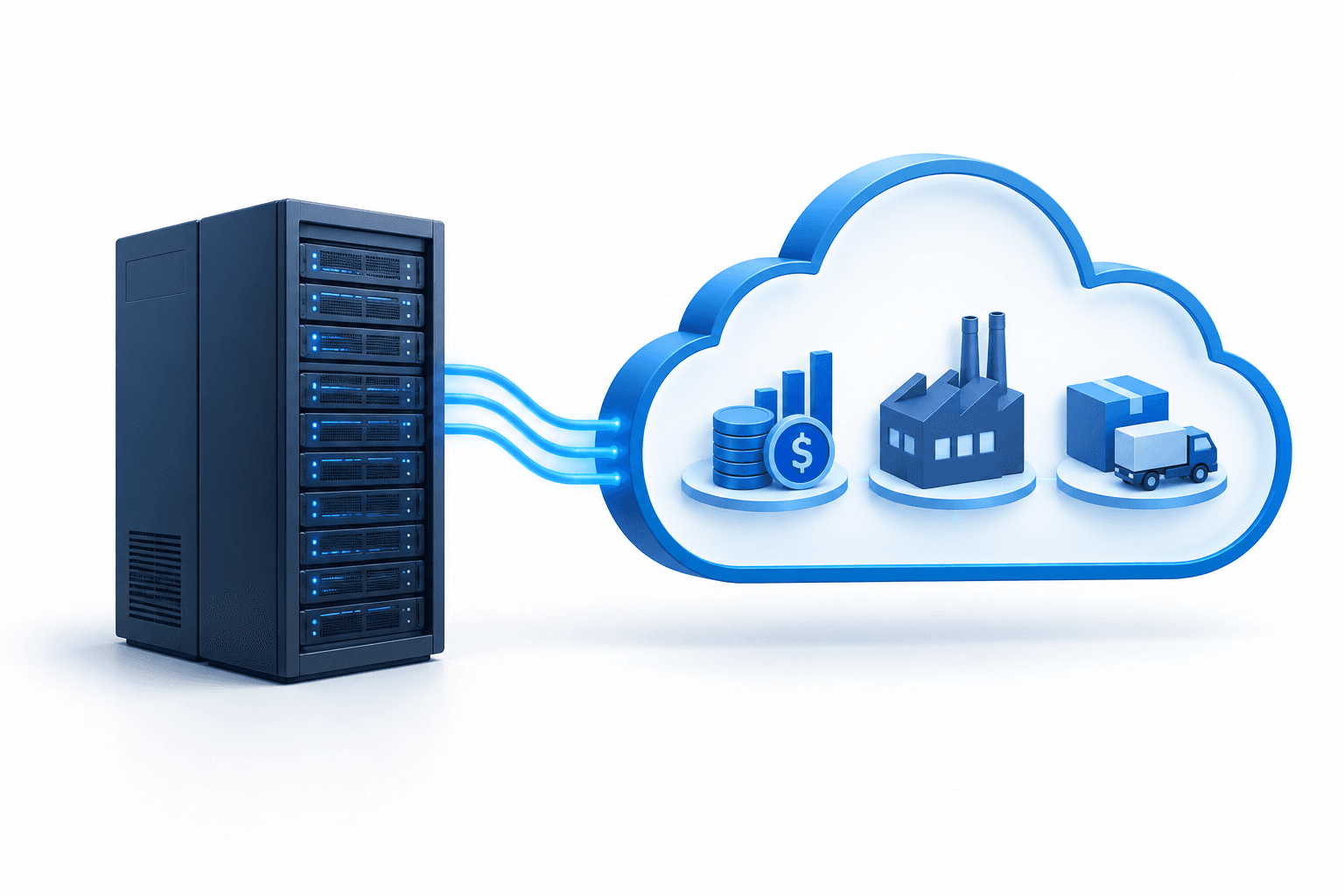
SAP’s S/4HANA Cloud Public Edition capabilities illustrate the business processes served by its cloud software, including finance, manufacturing, supply chain and procurement. The product is a ready-to-run enterprise resource planning system delivered on a public cloud network.
The product scope helps explain the operational breadth of the migration, but it does not establish how quickly customers will move or how much revenue the transition will generate.
Conclusion
The next test is whether SAP delivers its 2026 growth forecast while managing the decline in legacy support revenue. Its 2027 expectations remain guidance rather than achieved results.
Read More News
Disclaimer
This FinanceVelix article provides general information, not personalized financial, investment, legal, or tax advice. Market prices, interest rates and economic conditions can change; investments carry a risk of loss. Facts reflect the material available when published and may change. Check important information independently and consult a qualified professional when needed. Mentioning an asset, company, or service is not an endorsement.