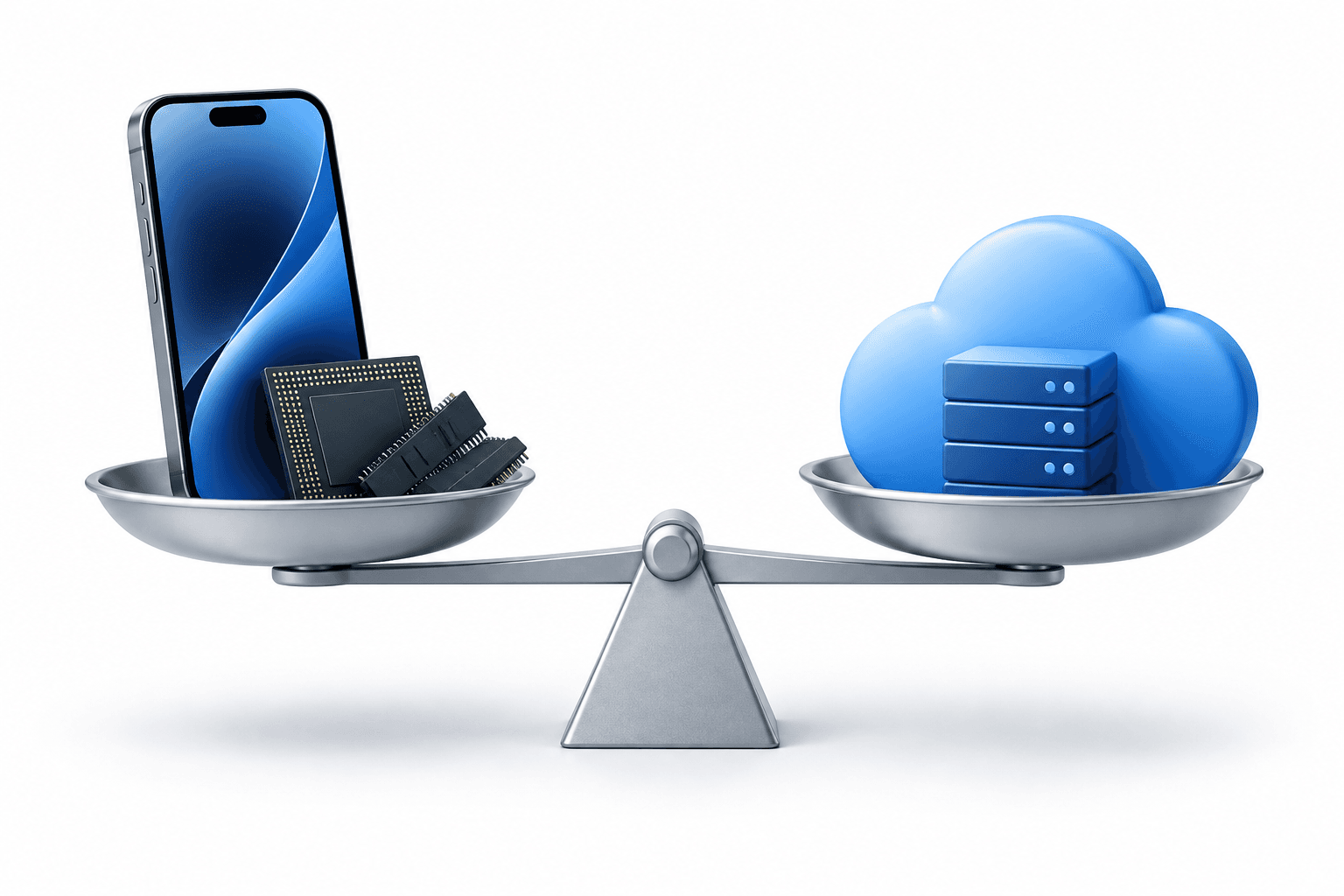
Apple shares fell 1.3% in premarket trading on October 20, 2026, following Loop Capital’s downgrade from Buy to Hold. The firm questioned the expected recovery in iPhone shipments through 2027 and warned that rising memory costs could pressure gross margins.
Key Takeaways
- Loop Capital lowered its recommendation while retaining a positive long-term view.
- The firm flagged risks to iPhone shipment expectations and hardware profitability.
- Apple’s earlier June-quarter results provide historical context, not confirmation of those risks.
Table of Contents
- Apple shares retreat as shipment expectations face scrutiny
- June-quarter results offer a historical margin benchmark
- Conclusion
Apple shares retreat as shipment expectations face scrutiny
Loop Capital’s concern centers on whether an anticipated recovery in iPhone unit sales through 2027 will materialize. Its downgrade reflects a more cautious assessment of that outlook, rather than an announced reduction in Apple’s shipment guidance.
The firm also identified rising memory costs as a potential drag on gross margins. That creates two separate questions for future performance: how many devices Apple sells and how much profit it retains from those sales. The concerns are analyst assessments, not reported evidence of a new decline in Apple’s profitability.
Despite the downgrade, Loop Capital remained positive about Apple’s longer-term growth prospects, particularly its services business. It nevertheless argued that the stock needed a fundamental catalyst to support its valuation. The 1.3% decline describes premarket trading, not a completed regular-session result.
| Item | Details |
|---|---|
| Fiscal Q3 2026 revenue | $109.4 billion, up 16% year over year. |
| Fiscal Q3 2026 diluted EPS | $2.02, up 29% year over year. |
| Tariff-refund contribution to EPS | A favorable impact of $0.11 in fiscal Q3 2026. |
June-quarter results offer a historical margin benchmark
Apple’s fiscal 2026 third-quarter results showed double-digit revenue growth across iPhone, Mac and Services. Those results cover the quarter ended June 27, 2026, and provide an earlier operating benchmark rather than evidence for Loop Capital’s October shipment and cost concerns.
Apple reported a company gross margin of 50.1% for that quarter, including a favorable impact of approximately two percentage points from tariff refunds. That benefit matters when comparing the reported margin with later periods: the headline figure was not solely a measure of underlying product and services profitability.
The contrast is between a strong reported quarter and an analyst’s caution about future conditions. Neither the earlier growth nor the downgrade establishes how iPhone shipments or memory costs will ultimately affect subsequent results.
Conclusion
Apple’s next earnings update will provide a fresh benchmark for iPhone sales, services growth and gross margins. Those results will help test the risks behind Loop Capital’s downgrade; the premarket decline alone does not resolve them.
Read More News
Disclaimer
This FinanceVelix article provides general information, not personalized financial, investment, legal, or tax advice. Market prices, interest rates and economic conditions can change; investments carry a risk of loss. Facts reflect the material available when published and may change. Check important information independently and consult a qualified professional when needed. Mentioning an asset, company, or service is not an endorsement.