Jindal Steel earnings rose 21% year over year to Rs 771 crore in July–September 2026, supported by higher steel sales and record consolidated gross revenue. Results announced on October 23 showed gross revenue increasing 44% to Rs 19,448 crore, while net debt declined from the end of June.
Key Takeaways
- Gross revenue reached a record, growing faster than consolidated profit.
- Higher steel volumes and a shift in product mix supported operating earnings.
- Net debt and leverage declined despite Rs 1,228 crore of quarterly capital expenditure.
Table of Contents
- Jindal Steel earnings improve, but shares close lower
- Higher sales volumes accompany a stronger product mix
- Debt falls while capital spending continues
- Conclusion
Jindal Steel earnings improve, but shares close lower
The second-quarter fiscal 2026–27 results showed adjusted earnings before interest, tax, depreciation and amortisation rising 33% year over year to Rs 2,504 crore. That exceeded the 21% increase in consolidated profit but trailed the 44% expansion in gross revenue.
Both profit and revenue exceeded analyst estimates. The earnings beat did not coincide with a positive closing share-price performance: Jindal Steel ended October 23 at Rs 1,012 on the BSE, down 1.7% from the previous close. The company released its results during market hours.
| Item | Details |
|---|---|
| Adjusted EBITDA per tonne | Rs 10,529 in July–September 2026, versus Rs 10,010 a year earlier. |
| Consolidated net debt | Rs 14,786 crore at September-end, versus Rs 15,927 crore at June-end. |
| Net debt-to-EBITDA | 1.51 times at September-end, down from 1.71 times at June-end. |
| Quarterly capital expenditure | Rs 1,228 crore. |
Higher sales volumes accompany a stronger product mix
Consolidated steel production rose to 2.4 million tonnes from 2 million tonnes a year earlier, an increase of 20%. Sales grew faster, reaching 2.38 million tonnes from 1.87 million tonnes, or approximately 27%.
The company said flat products accounted for a higher share of sales, while thermo-mechanically treated rebars made up less of its long-product mix. It attributed a higher average selling price to that shift.
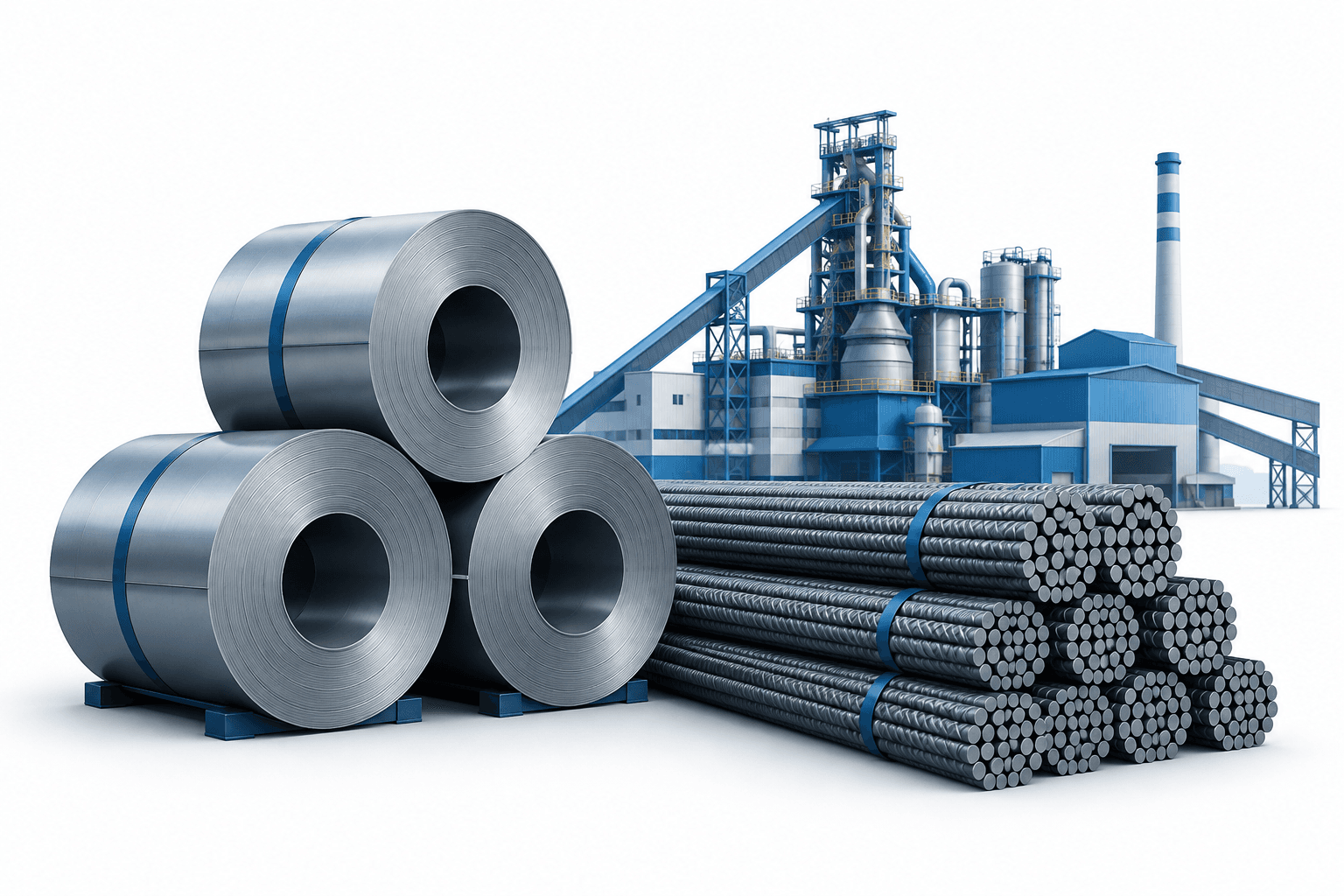
Jindal Steel’s Jindal Panther TMT rebar product range provides context for the latter category: these reinforcing bars are used in concrete structures across residential, commercial and infrastructure construction. That product description explains their application, rather than the quarter’s sales performance.
Debt falls while capital spending continues
Consolidated net debt fell by Rs 1,141 crore during the quarter. The net debt-to-EBITDA ratio also declined, indicating lower leverage on the company’s reported measure.
The reduction came alongside continued capital spending. These balance-sheet comparisons are against the end of June 2026, unlike the year-over-year comparisons used for profit, revenue and steel volumes.
Conclusion
Jindal Steel earnings combined higher volumes and improved per-tonne operating earnings with lower debt. The next quarterly results will provide a comparison point for whether those operating and balance-sheet improvements continue.
Read More News
Disclaimer
This FinanceVelix article provides general information, not personalized financial, investment, legal, or tax advice. Market prices, interest rates and economic conditions can change; investments carry a risk of loss. Facts reflect the material available when published and may change. Check important information independently and consult a qualified professional when needed. Mentioning an asset, company, or service is not an endorsement.