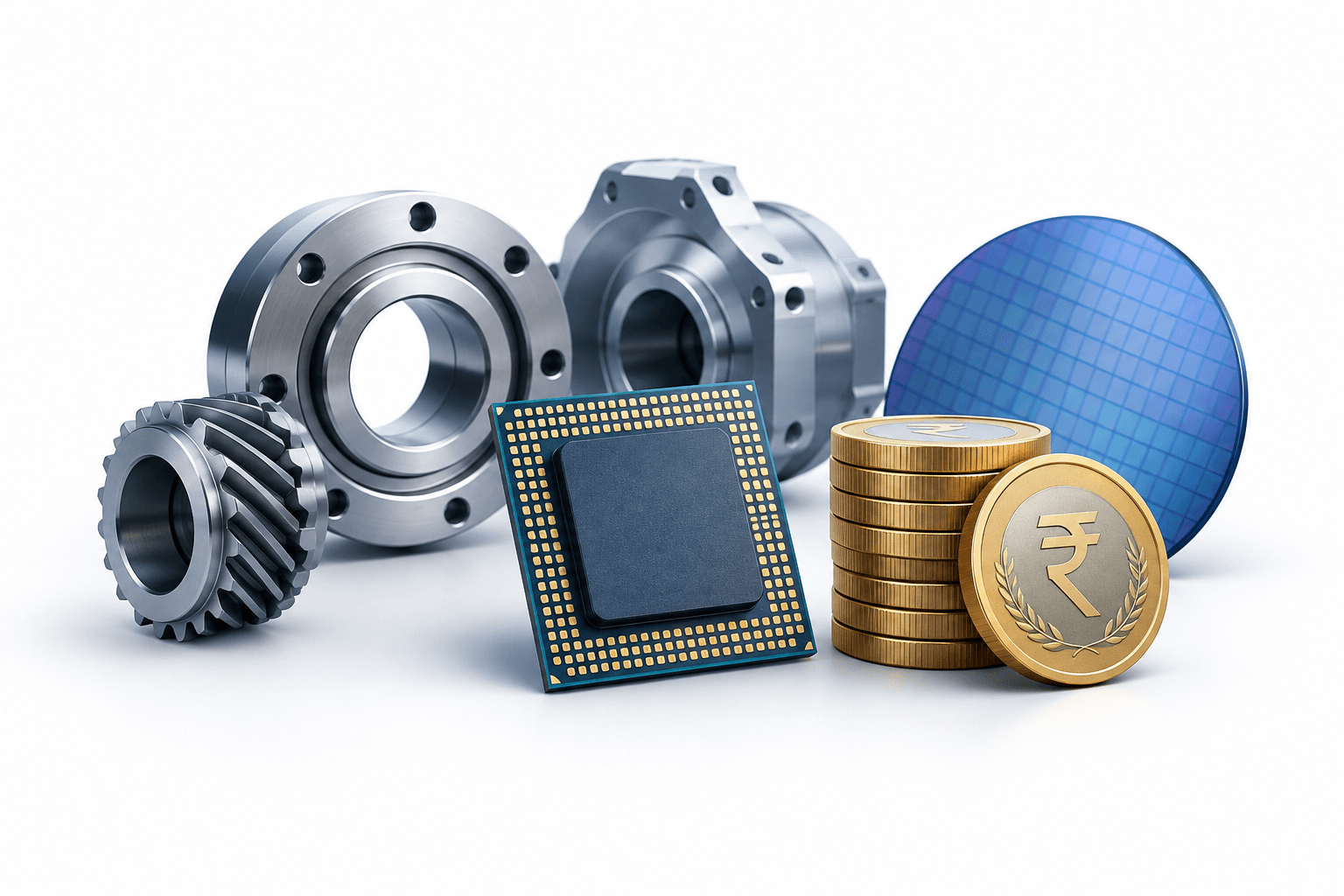
Cyient shares rose 8.86% to Rs 1,245 during trading on October 23, 2026, after the engineering company reported 25% year-on-year consolidated revenue growth for the September quarter. Net profit nevertheless fell about 8%, making the Q2 FY27 results a mixed picture of expanding sales and weaker bottom-line earnings.
Key Takeaways
- Consolidated revenue rose to Rs 2,235 crore, while net profit declined to Rs 132 crore.
- The DET segment delivered higher revenue, operating profit and order intake.
- The board declared a Rs 12-per-share interim dividend for FY2026–27.
Table of Contents
- Cyient shares rise despite lower consolidated profit
- DET growth combines stronger sales and operating performance
- Dividend declared as semiconductor investment continues
- Conclusion
Cyient shares rise despite lower consolidated profit
Consolidated revenue increased from Rs 1,781 crore in the year-earlier quarter to Rs 2,235 crore for the quarter ended September 30, 2026. Net profit moved in the opposite direction, falling from Rs 143 crore to Rs 132 crore.
The divergence means the company’s stronger sales did not translate into higher consolidated earnings. The available figures do not establish the specific causes of the profit decline.
The Rs 1,245 share price was an intraday observation, not a closing quotation. Cyient announced its quarterly results on October 22, a day before the rally.
| Item | Details |
|---|---|
| DET revenue | Rs 1,664 crore in Q2 FY27 |
| DET operating profit | EBIT of Rs 237 crore; EBIT margin of 14.2% |
| DET profit after tax | Rs 153 crore |
| DET free cash flow | Rs 214 crore |
DET growth combines stronger sales and operating performance
Cyient’s Q2 FY27 earnings announcement showed revenue in its Digital, Engineering and Technology segment rising 8.1% sequentially and 15.7% year on year. Organic revenue growth was lower, at 2.1% quarter on quarter and 9.3% annually, distinguishing underlying expansion from total reported growth.
DET earnings before interest and taxes increased 16.8% from the previous quarter, while segment profit after tax rose 8.7%. These segment results are separate from the consolidated net-profit decline.
Order intake increased 20.8% year on year. DET free cash flow represented 139% of segment profit after tax, supporting management’s assessment of strong cash generation.
Dividend declared as semiconductor investment continues
The board declared an interim dividend of Rs 12 per share for FY2026–27. The supplied announcement does not specify a record date or payment date.
Executive Vice Chairman and Managing Director Krishna Bodanapu said Cyient Semiconductors recorded 8% sequential revenue growth, its sixth consecutive quarter of expansion. The business also secured a significant turnkey programme and an engagement with a global semiconductor company.
Management expects research and development investment in AI data-centre power products to begin contributing revenue in the next fiscal year. That remains an expectation rather than revenue already earned. Bodanapu also cautioned that near-term supply constraints could affect margins and growth.
Cyient DLM reported a record order book and a book-to-bill ratio above 1.6 times. Its revenue grew more than 26.5% year on year in Q2 and more than 30% in the first half, in rupee terms, with aerospace and industrial activity leading growth.
Conclusion
Cyient’s next operating updates will show whether stronger orders and DET profitability translate into improved consolidated earnings. A further milestone is the expected start of revenue contributions from AI data-centre power products in the next fiscal year, subject to execution and supply constraints.
Read More News
Disclaimer
This FinanceVelix article provides general information, not personalized financial, investment, legal, or tax advice. Market prices, interest rates and economic conditions can change; investments carry a risk of loss. Facts reflect the material available when published and may change. Check important information independently and consult a qualified professional when needed. Mentioning an asset, company, or service is not an endorsement.