Blinkit private labels offer no compelling case for improving margins or generating additional demand, chief executive Albinder Dhindsa said in Eternal’s September-quarter shareholder letter on October 21, 2026. His comments favor helping existing brands grow on the quick-commerce platform rather than expanding its own-brand portfolio.
Key Takeaways
- Dhindsa says building differentiated consumer brands requires capabilities outside Blinkit’s core expertise.
- Supply-chain control remains valuable, particularly in fruits and vegetables, without requiring a separate consumer brand.
- Blinkit’s restrained approach contrasts with rival Instamart’s expansion of its Noice private label.
Table of Contents
- Blinkit private labels face a brand-building hurdle
- Supply-chain control offers a different route
- Instamart takes a different approach with Noice
- Conclusion
Blinkit private labels face a brand-building hurdle
Dhindsa’s argument is that an own-label product must offer more than the platform’s name. Customers need a reason to choose it based on quality, storytelling or design, which requires sustained investment in building a brand.
That work includes product and manufacturing development, quality control, inventory management across a full range of products, sampling and marketing to encourage trial and repeat purchases. Dhindsa said established brands are better equipped to build those capabilities than Blinkit.
The platform already has a private label, Whole Farm, but has not expanded it beyond groceries. The comments therefore explain a limit on expansion rather than an exit from existing own-brand products.
| Item | Details |
|---|---|
| Whole Farm staples | Includes atta, rice and dal. |
| Other Whole Farm groceries | Includes dry fruits and masalas. |
| Noice assortment | Includes clean-label snacks, desserts, groceries, beverages and dairy products. |
Supply-chain control offers a different route
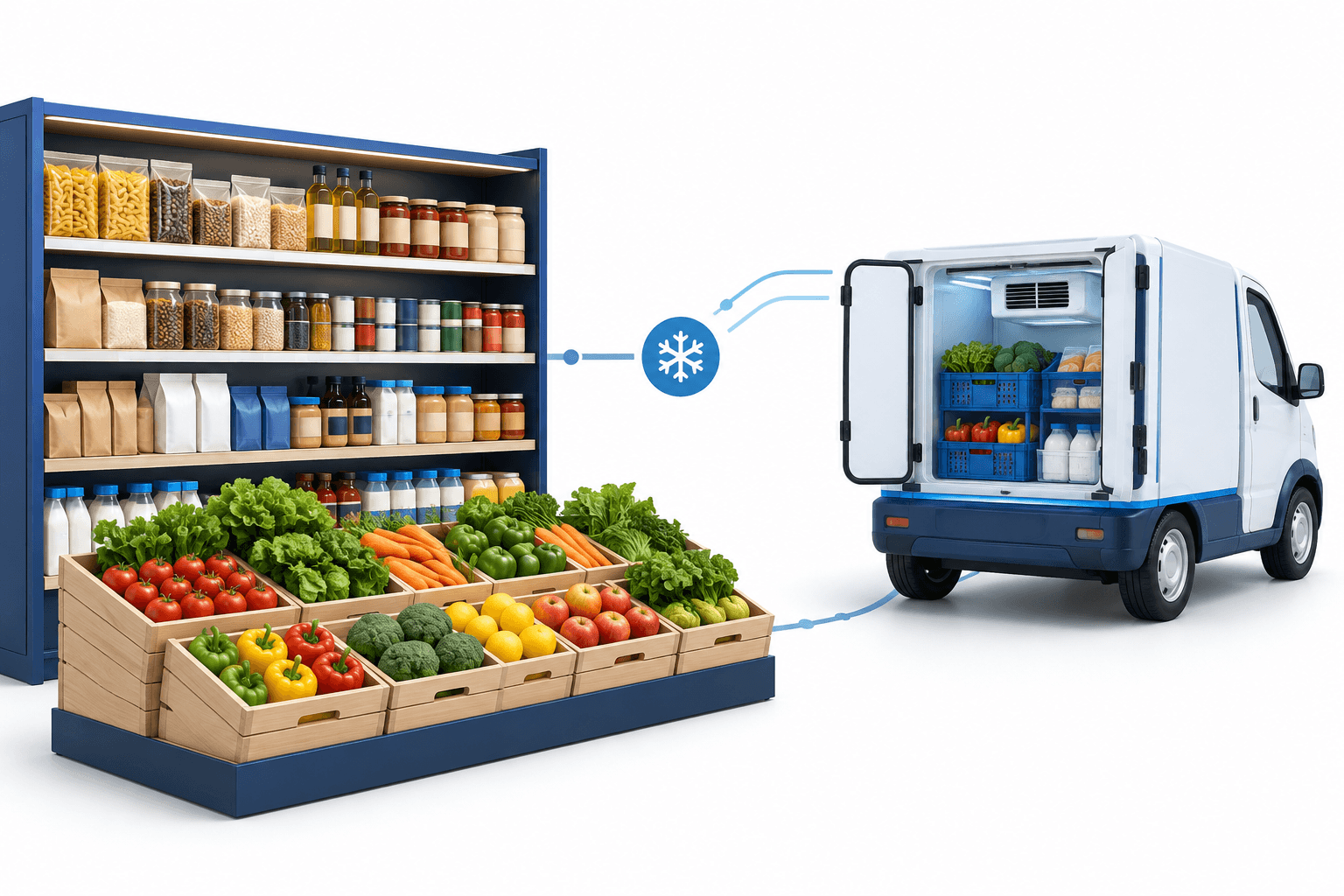
Dhindsa identified fruits and vegetables as the clearest exception where deeper supply-chain control creates value. He said Hyperpure already gives Blinkit sourcing and quality-control benefits without needing a separate consumer-facing brand.
Eternal’s description of Hyperpure’s farm-to-kitchen model provides background on those capabilities: the business sources directly from farmers and producers, maintains a cold chain and delivers kitchen-ready ingredients for the food-service sector.
Blinkit can also use shelf space and visibility that would otherwise promote its own products to help other brands grow. Dhindsa said that approach allows the platform to earn advertising revenue from brands. The strategy puts the emphasis on distribution and promotion rather than taking on the full work of consumer-brand development.
Instamart takes a different approach with Noice
The stance contrasts with Instamart’s push to expand Noice. On October 5, 2026, the rival platform announced that one in 10 orders contained a Noice product.
Instamart CEO Nandita Sinha described Noice as a way to give India’s food entrepreneurs the platform, standards and capital to scale. Its assortment extends beyond staple groceries into snacks, desserts, beverages and dairy products.
The difference is strategic: Blinkit is emphasizing third-party brands and supply-chain capabilities, while Instamart is making its own label part of its differentiated assortment.
Conclusion
Blinkit’s stated priority is to support other brands while retaining supply-chain control where it adds value. Further private-label expansion would need to clear Dhindsa’s test of genuine product differentiation; the comments set no timetable for a broader rollout.
Read More News
Disclaimer
This FinanceVelix article provides general information, not personalized financial, investment, legal, or tax advice. Market prices, interest rates and economic conditions can change; investments carry a risk of loss. Facts reflect the material available when published and may change. Check important information independently and consult a qualified professional when needed. Mentioning an asset, company, or service is not an endorsement.