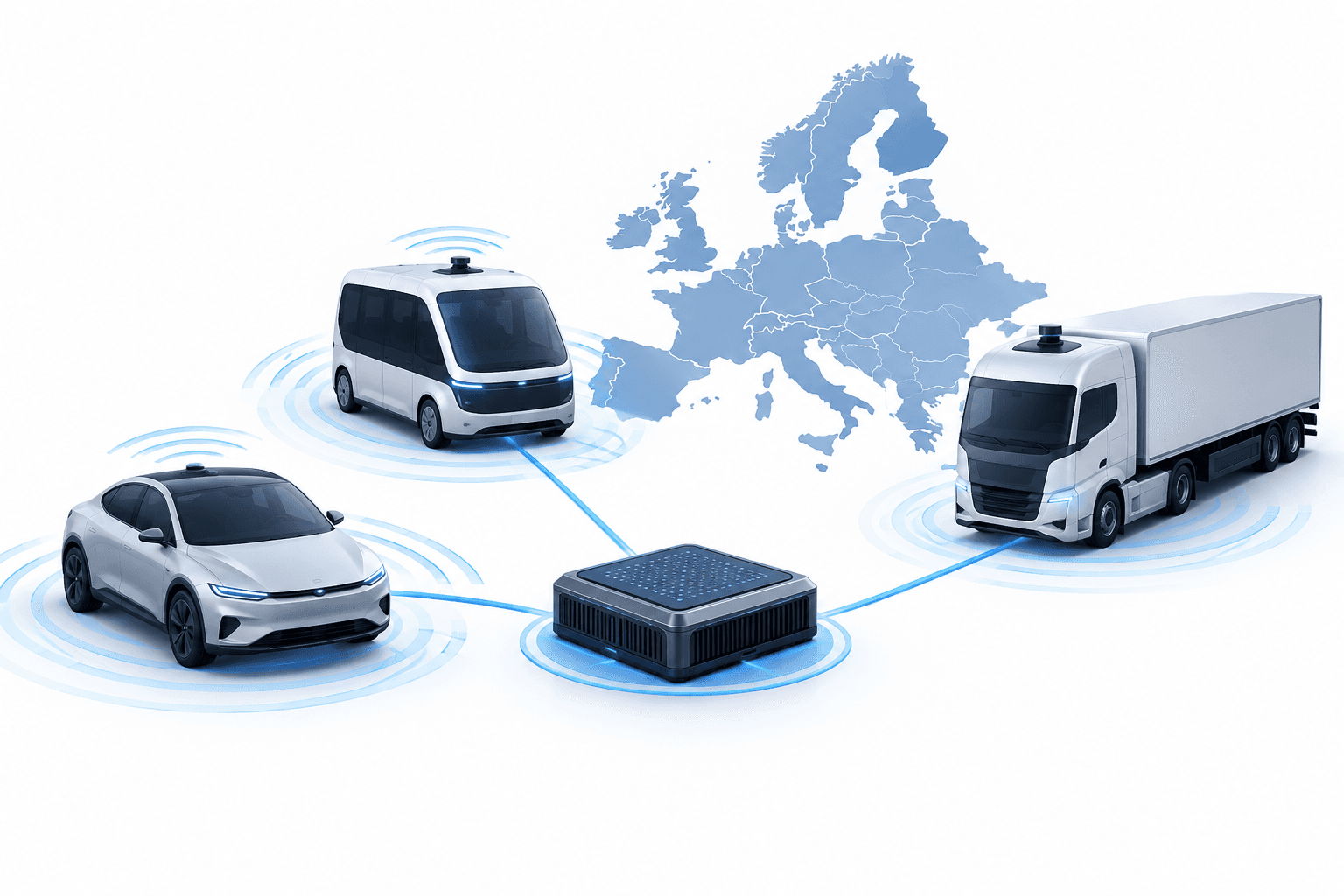
Nvidia partnerships with European automakers and mobility providers expanded on October 21, 2026, covering passenger cars, planned robotaxi fleets and commercial transport. Shares rose about 2% in early trading that Wednesday as the company announced broader adoption of its autonomous-driving computing systems and software.
Key Takeaways
- Bolt plans a European rollout of at least 25,000 future Lucid vehicles built on Nvidia Hyperion.
- Volvo Cars is adopting Nvidia’s platform, while Mercedes-Benz is extending its autonomous-driving collaboration.
- Madrid data collection is planned for 2027, subject to regulatory approval; fleet deployment remains a future goal.
Table of Contents
- Nvidia partnerships broaden the European vehicle pipeline
- Bolt’s fleet ambition starts with data collection
- Safety tools support development rather than certify deployment
- Conclusion
Nvidia partnerships broaden the European vehicle pipeline
Nvidia’s European autonomous-mobility announcement brings together programs at different stages, from platform adoption to vehicle demonstrations and planned fleets. The common element is Hyperion, its computing and sensor architecture, which supports Nvidia’s Alpamayo Stack driving software as well as partners’ own software.
The agreements extend Nvidia’s role beyond supplying chips to providing computing systems, driving software and safety-validation tools. They do not, however, establish that the planned autonomous services are already operating commercially.
Volvo Cars is combining Hyperion, Halos OS and Alpamayo Stack with its vehicle safety systems. Mercedes-Benz is extending its collaboration on Hyperion and Alpamayo Stack to support development of Level 3 and Level 4 capabilities.
| Item | Details |
|---|---|
| Volkswagen Commercial Vehicles | Presented an autonomous ID. Buzz AD platform using Hyperion to support multiple autonomous-driving systems. |
| Einride | Is building its next-generation autonomous freight-truck driving system on Hyperion. |
| TIER IV and Technical University of Munich | Plan to integrate Hyperion for development and validation of autonomous public transportation in Germany. |
Bolt’s fleet ambition starts with data collection
Bolt has selected Alpamayo Stack for a European robotaxi program beginning with future Lucid vehicles built on Hyperion. Bolt and Nvidia plan to adapt the software for European roads and integrate it into vehicles from multiple manufacturers.
The planned European rollout includes at least 25,000 Level 4-capable future Lucid vehicles. That is a deployment ambition, not a count of vehicles already delivered or carrying passengers.
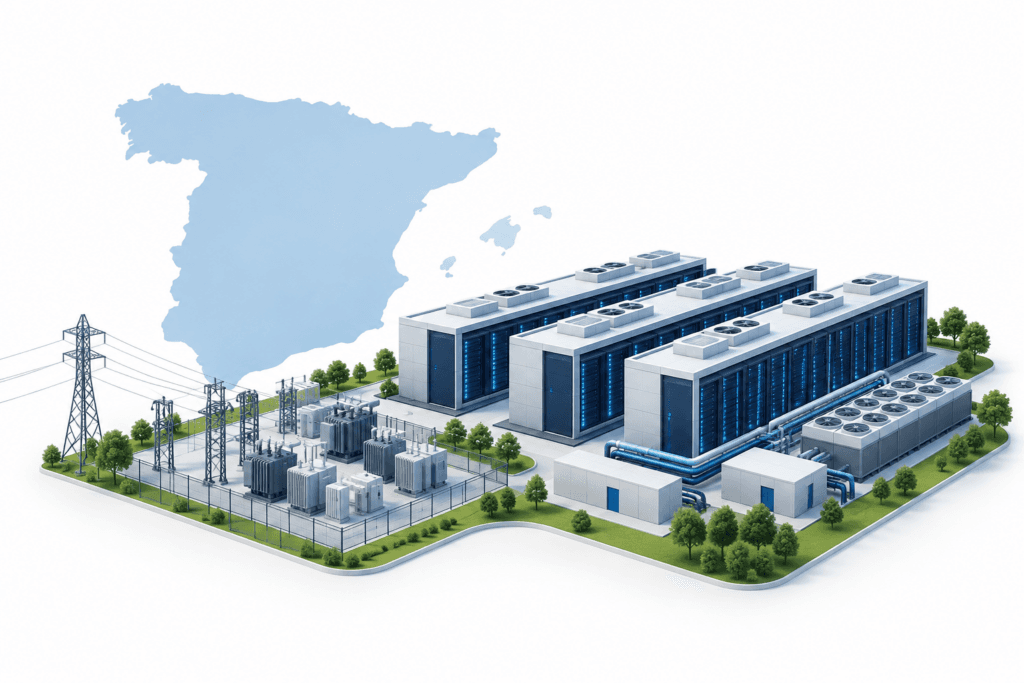
Bolt plans to begin gathering real-world driving data in Madrid in 2027, subject to regulatory approval, to support development and validation. Germany is a priority for future deployment, but the announcement does not give a firm commercial launch date.
Safety tools support development rather than certify deployment
Nvidia also introduced Halos SAFE, a framework connecting simulation, software and hardware evaluation, on-road testing and fleet monitoring. Its purpose is to generate measurable, traceable safety evidence to support deployment.
The new Alpamayo 2 Edge model is designed for in-vehicle scene understanding and motion planning. Together, the introductions address both how an automated vehicle interprets its surroundings and how developers evaluate its behavior.
The early share-price gain was a market snapshot, not a closing return or proof of the partnerships’ eventual financial contribution. Nvidia cautioned that many announced products and features remain in development and that availability and timing can change.
Conclusion
The Nvidia partnerships widen its autonomous-driving development pipeline, but planned fleets remain distinct from commercial deployment. The next dated milestone is Bolt’s proposed Madrid data collection in 2027, contingent on regulatory approval.
Read More News
Disclaimer
This FinanceVelix article provides general information, not personalized financial, investment, legal, or tax advice. Market prices, interest rates and economic conditions can change; investments carry a risk of loss. Facts reflect the material available when published and may change. Check important information independently and consult a qualified professional when needed. Mentioning an asset, company, or service is not an endorsement.