Canada tariffs and rising material and fuel costs are squeezing Maine's lobster businesses, making trade policy a central economic issue in the state's 2026 Senate race. As of October 22, Republican incumbent Susan Collins and Democratic challenger Troy Jackson both oppose duties on Canadian goods, but disagree over whether Collins has done enough to protect the state's businesses.
Key Takeaways
- Brooks Trap Mill says Canada's retaliatory duties effectively halted its lobster-trap shipments across the border.
- Higher steel-related input costs and diesel expenses are adding pressure even though lobster itself escaped Canadian retaliation.
- Collins points to negotiated tariff exemptions, while Jackson argues Congress should have prevented the duties.
Table of Contents
- Canada tariffs hit cross-border trap sales
- Steel and fuel costs compound the pressure
- Collins and Jackson dispute the value of exemptions
- Conclusion
Canada tariffs hit cross-border trap sales
Maine sends more than 40% of its exports to Canada, leaving the state particularly exposed to disruptions in cross-border trade. For businesses supplying the lobster industry, the pressure is coming from both lost sales and more expensive materials.
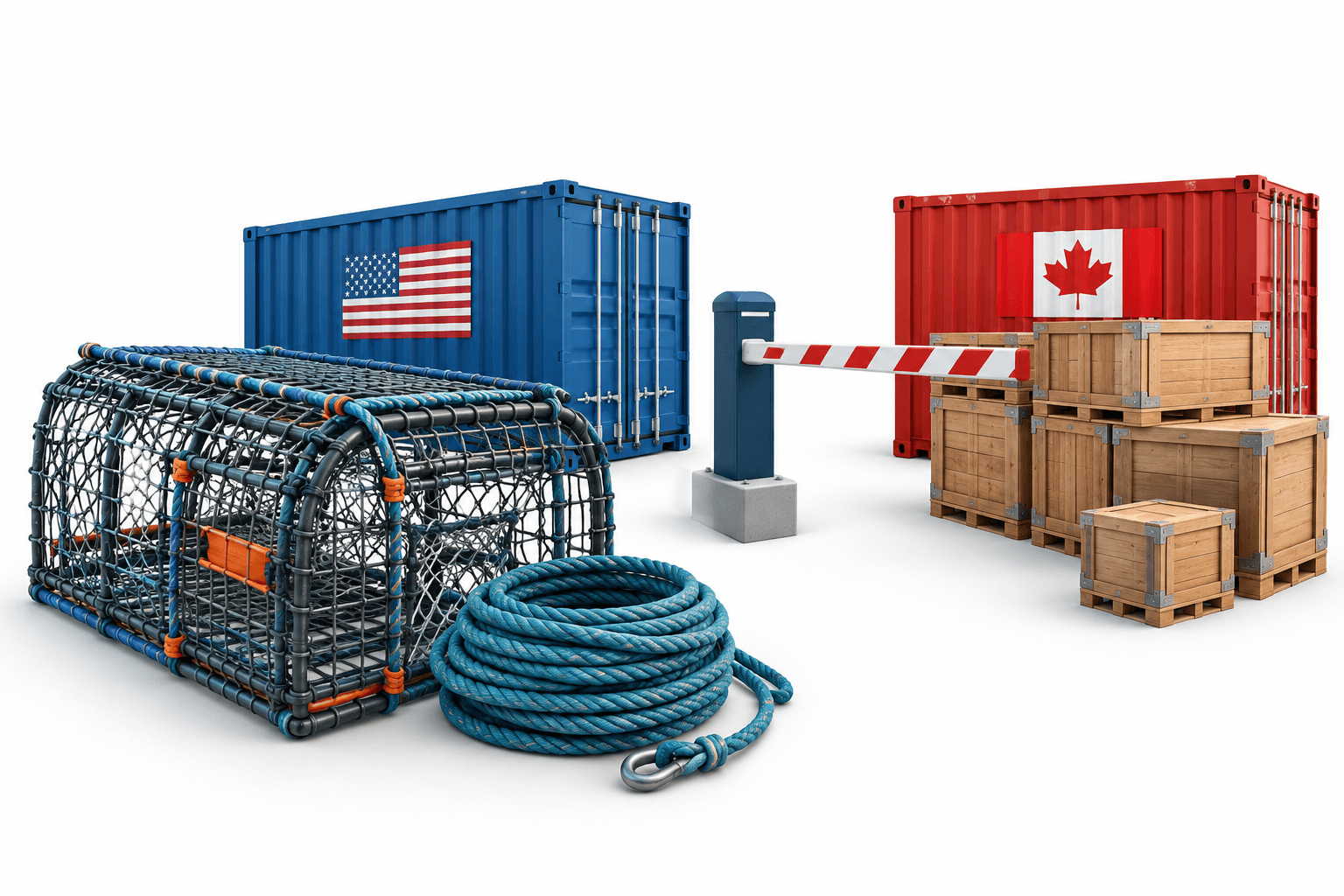
Mark Brooks, who runs Brooks Trap Mill with his siblings, said Canada's 50% retaliatory tariff on U.S. lobster traps in September 2026 caused the company's Canadian shipments to dry up virtually overnight.
"It's basically the worst business climate for us that I've ever seen in 40 years," Brooks said. He said the business had absorbed as much of the increase in costs as it could to hold down customer prices.
The distinction between lobster and the equipment used to catch it matters. Ottawa left lobster off its retaliation list, but that exclusion did not protect trap manufacturers or remove the rising expenses facing fishermen.
| Item | Details |
|---|---|
| Brooks Trap Mill's usual Canadian shipments | Roughly $2 million annually before the reported collapse |
| Lobster-trap selling price | $180 in October 2026, compared with $130 two years earlier |
| Maine diesel prices | Up 67% over the preceding year, according to AAA |
Steel and fuel costs compound the pressure
The June 2025 steel and aluminum tariff proclamation raised covered U.S. import duties from 25% to 50%, effective June 4, 2025, with different treatment for the United Kingdom. That decision establishes the earlier steel tariff increase, rather than the full tariff regime in force in October 2026.
Brooks said his domestic wire-mesh supplier raised prices by 20% in the same week that Trump imposed the 50% steel duties. His experience illustrates how a business buying from a domestic supplier can still face higher costs alongside import restrictions.
Brooks also said rising diesel prices brought freight surcharges and slower sales as lobstermen cut spending. Fishermen face additional pressure from rope imported from India and bait largely sourced from Europe, with tariffs and fuel costs making both more expensive.
"Everything we do in this business costs more money right now," said Steve Train, a lobsterman working out of Casco Bay. "These tariff wars are not helping us."
Collins and Jackson dispute the value of exemptions
Collins has pushed back against the administration's duties and secured exemptions for items including concrete, wood pulp and road salt. Her campaign also says her discussions with Canada's ambassador helped secure the exclusion of lobster and seafood from retaliation.
At their October 13 debate, Collins argued that both candidates would have opposed the Canadian tariffs, but that she had delivered relief by negotiating exclusions. Jackson rejected that measure of success: "We shouldn't be in a trade war with Canada."
Economic dissatisfaction gives the dispute electoral weight. More than 90% of likely Maine voters in an October Suffolk University poll rated the state's economy as fair or poor.
Still, opposition to tariffs does not necessarily translate into opposition to Collins. Train, a registered independent, said he faults Trump for the trade measures but plans to vote for Collins because of her support for the lobster industry.
Conclusion
The November 2026 Senate election will test whether Maine voters credit Collins for securing exemptions or favor Jackson's argument that the tariffs should have been prevented. For affected businesses, the immediate issue remains the combination of disrupted Canadian sales and higher operating costs.
Read More News
Disclaimer
This FinanceVelix article provides general information, not personalized financial, investment, legal, or tax advice. Market prices, interest rates and economic conditions can change; investments carry a risk of loss. Facts reflect the material available when published and may change. Check important information independently and consult a qualified professional when needed. Mentioning an asset, company, or service is not an endorsement.