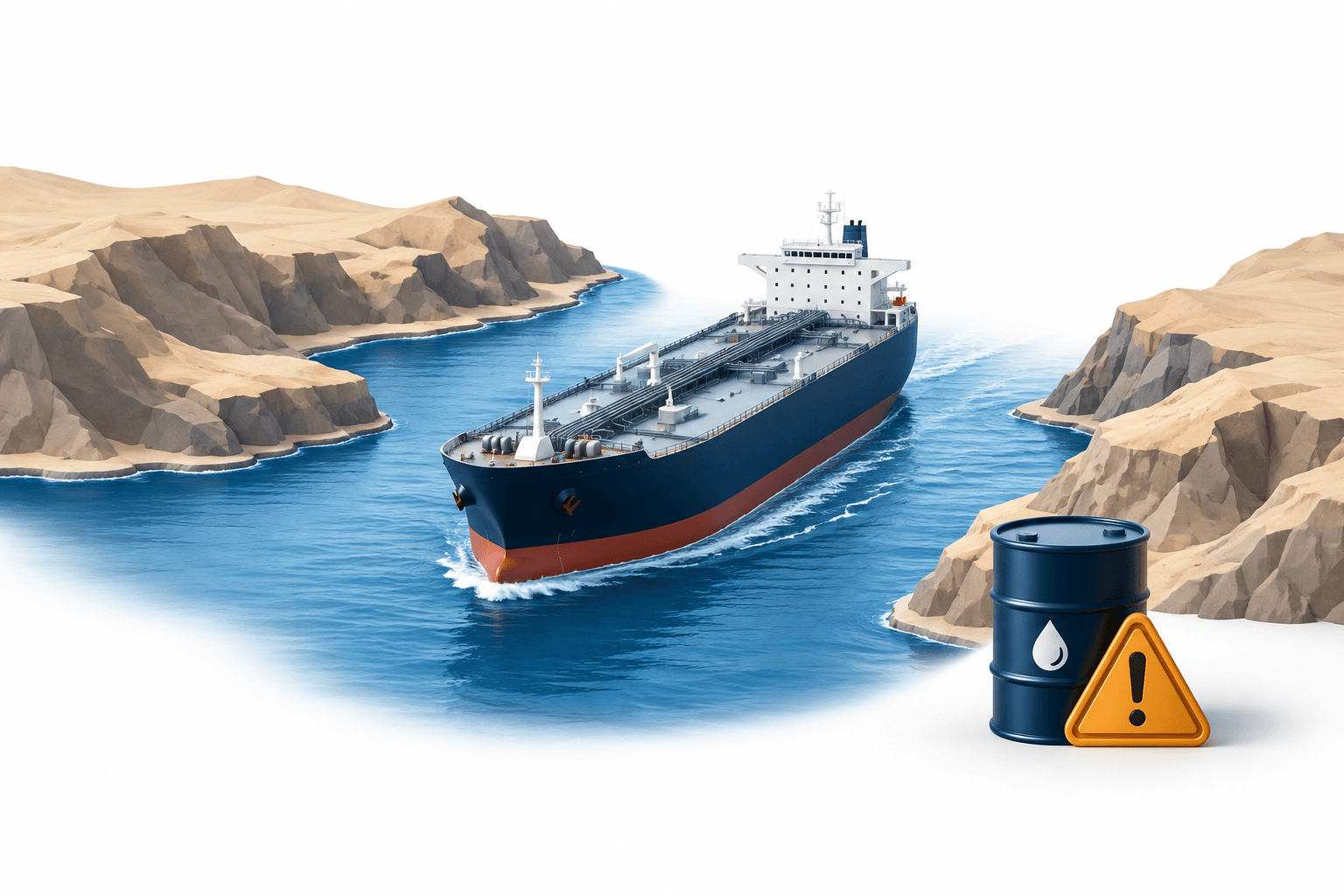
Oil prices rose on October 23, 2026, extending the previous session’s rally as Houthi attacks on Saudi Arabia heightened concerns about energy supplies and shipping routes. Brent crude futures gained 50 cents, or 0.45%, to $114.02 a barrel, while US West Texas Intermediate rose 40 cents, or 0.42%, to $100.
Key Takeaways
- Brent extended its advance after a 4% rally on Thursday took it to a five-month high.
- Fighting involving Saudi Arabia and the Houthis put Red Sea shipping risks in focus.
- Goldman Sachs outlined conditional oil-price scenarios ranging from around $80 to $120 a barrel.
Table of Contents
- Oil prices rise, but weekly trends diverge
- Saudi fighting brings shipping routes into focus
- Analysts outline conditional paths for crude
- Conclusion
Oil prices rise, but weekly trends diverge
Friday’s gains left the two benchmarks on different weekly paths. Brent was heading for a third consecutive weekly increase, while WTI remained on course for a weekly loss that would end a two-week winning streak.
The quoted prices were an early-Friday snapshot, not closing settlements. Brent’s Thursday settlement was its highest since May 4, underscoring the scale of the recent move without establishing where either benchmark would finish the week.
| Item | Details |
|---|---|
| Brent weekly direction | On track for a third consecutive weekly gain. |
| WTI weekly direction | On track for a loss after two winning weeks. |
| Goldman Sachs escalation scenario | Oil could reach $120 a barrel if vessel attacks intensify. |
| Goldman Sachs export-normalisation scenario | Oil could move toward $80 a barrel if normal export levels return. |
Saudi fighting brings shipping routes into focus
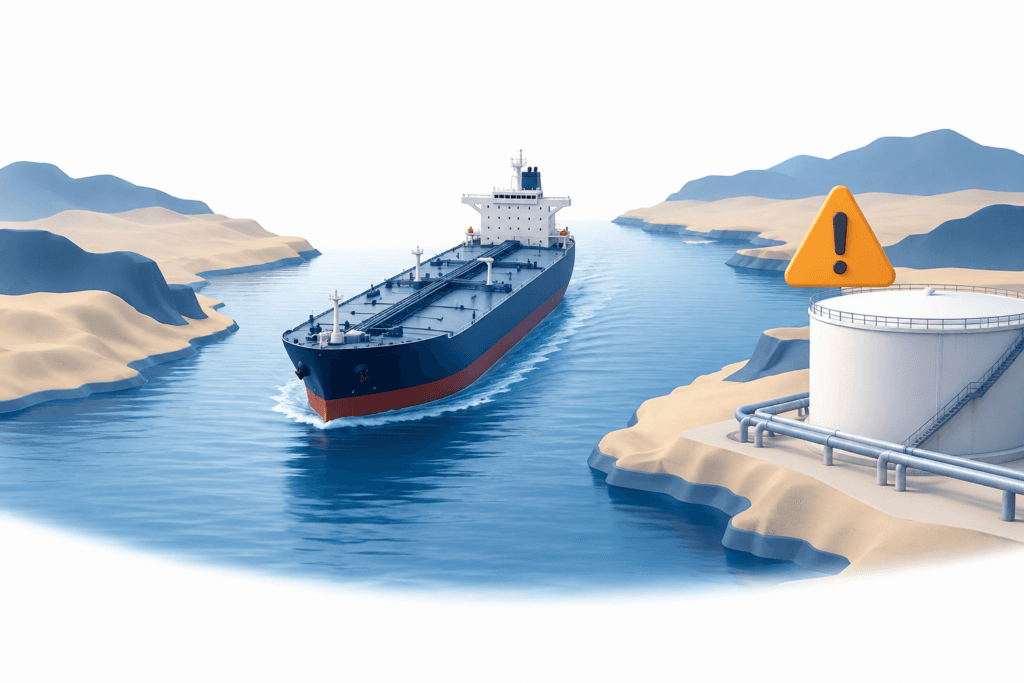
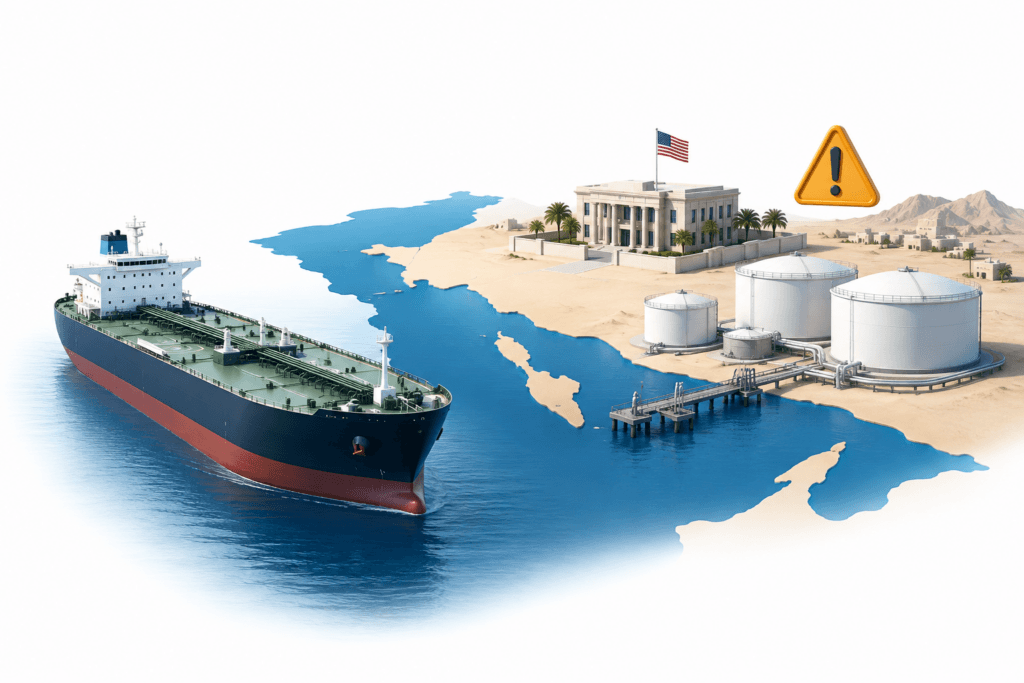
Saudi Aramco ordered the evacuation of its headquarters in Dhahran on Thursday as fighting intensified between Saudi Arabia and Yemen-based Houthis. The Iran-aligned group was advancing toward Bab el-Mandeb amid clashes with the Saudi-led coalition supporting Yemen’s internationally recognised government.
The US Energy Information Administration’s explanation of the Bab el-Mandeb shipping chokepoint describes how the strait connects the Red Sea with the Gulf of Aden and Arabian Sea. Its August 2019 analysis explains that a closure could force tankers bound for the Suez Canal or SUMED Pipeline to divert around southern Africa, increasing transit time and shipping costs.
That geography helps explain the market’s sensitivity to threats around the strait. The latest developments raised the risk of disruption; they did not, in the supplied information, establish a quantified loss of oil production or exports.
Analysts outline conditional paths for crude
Daan Struyven, co-head of global commodities research at Goldman Sachs, said recent attacks highlighted how shipping disruptions could spread and intensify. The bank outlined a scenario in which oil could reach $120 a barrel if attacks on Middle Eastern vessels escalate. A return to normal export levels could instead bring prices toward $80.
Those figures describe alternative outcomes, not a single price forecast. Goldman Sachs also expects natural gas and refined fuel prices to rise, with supply shocks having a greater effect on those markets than on crude.
JPMorgan analysts said the conflict’s trajectory remained difficult to model and that a clear exit strategy was elusive. Separately, Russia said it was ready to resume US-mediated talks with Ukraine in November. Ukrainian President Volodymyr Zelenskiy expressed hope for talks in early November, but the timing remained prospective.
Conclusion
The next market checkpoint is Friday’s settlement, which will establish whether Brent extends its weekly winning run and WTI ends its own. Further developments affecting Saudi supplies and Red Sea shipping remain central to the conditional outlook described by analysts.
Read More News
Disclaimer
This FinanceVelix article provides general information, not personalized financial, investment, legal, or tax advice. Market prices, interest rates and economic conditions can change; investments carry a risk of loss. Facts reflect the material available when published and may change. Check important information independently and consult a qualified professional when needed. Mentioning an asset, company, or service is not an endorsement.