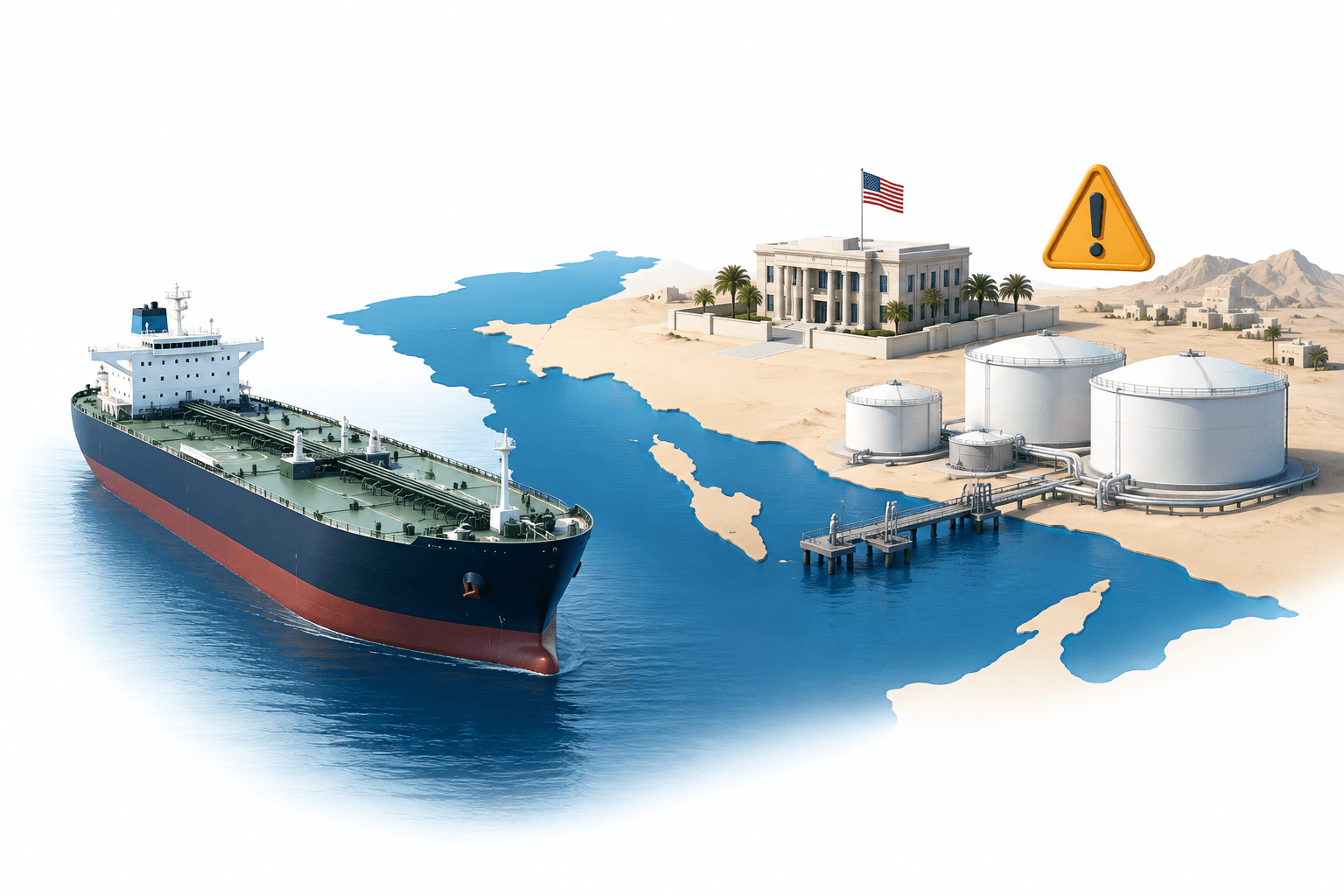
Oil prices rose in early trading on October 22, 2026, as further Houthi attacks in Saudi Arabia prompted the United States to order some diplomats and family members to leave its missions in the kingdom. The escalation put the security of Gulf energy infrastructure and shipping routes in focus.
Key Takeaways
- Brent climbed to $110.11 a barrel, while US crude reached $98.12 in early trading.
- Attacks on Saudi targets and regional shipping heightened concerns about oil supply routes.
- The US offered a temporary exchange of up to 315,000 barrels from its heating-oil reserve.
Table of Contents
- Oil prices advance after a subdued previous session
- Saudi attacks sharpen concerns over Gulf shipping
- US inventories deliver a mixed supply picture
- Heating-oil exchange targets a temporary supply gap
- Conclusion
Oil prices advance after a subdued previous session
Brent crude futures gained $1.29, or 1.2%, to $110.11 a barrel at 00:34 GMT on October 22. US West Texas Intermediate crude rose 97 cents, or 1%, to $98.12.
The gains followed a quieter session on October 21, when Brent settled largely unchanged and WTI fell 67 cents. Thursday’s figures were an early-session snapshot, not closing prices.
| Item | Details |
|---|---|
| US crude inventories | Fell 3.06 million barrels to 412.5 million; analysts expected an 820,000-barrel decline. |
| US distillate inventories | Rose 1.68 million barrels to 104.3 million; analysts expected a 1.16 million-barrel decline. |
| Heating-oil exchange locations | Reserve storage sites in South Portland, Maine; Boston, Massachusetts; and New Haven, Connecticut. |
Saudi attacks sharpen concerns over Gulf shipping
Yemen’s Iran-aligned Houthis struck several targets on October 21. An attack on a civilian airport in Dammam killed at least one person and wounded eight others, while a drone attack on a Saudi oil field killed two people.
US officials said the State Department also planned to withdraw family members from several other American missions in the region. That planned wider withdrawal was separate from the departure order affecting missions in Saudi Arabia.
Kpler data showed at least 18 attacks on shipping over the preceding two weeks. LSEG analysts warned that Iran was targeting tankers beyond the Strait of Hormuz, reaching into the Gulf of Oman and threatening crude loadings and ship-to-ship transfers.
The risks extended beyond individual oil facilities to the vessels and transfers used to move regional supplies. The attacks and shipping warnings did not, however, establish a quantified loss of crude production.
US inventories deliver a mixed supply picture
US Energy Information Administration figures released on October 21 showed a larger-than-expected decline in crude inventories, but an unexpected increase in distillates, which include diesel and heating oil.
The distinction matters: a draw in crude stocks does not necessarily mean inventories of refined fuels are also falling. In the latest weekly figures, the two moved in opposite directions.
Heating-oil exchange targets a temporary supply gap
The Department of Energy’s Northeast heating-oil reserve exchange, announced on October 21, offers up to 315,000 barrels of ultra-low sulfur distillate to address fuel-supply disruptions. It is a temporary loan arrangement rather than an outright sale: borrowers must return the same volume plus a premium.
The department said the reserve would be replenished ahead of the 2027–2028 heating season. Bids are due by 11:00 a.m. Central Time on October 27, 2026, with fuel transfers or deliveries scheduled for completion by November 13.
Conclusion
Oil prices rose as attacks heightened concern about Gulf supplies, while US inventory data showed different trends for crude and refined fuels. The next confirmed step in the heating-oil response is the October 27 bid deadline for the reserve exchange.
Read More News
Disclaimer
This FinanceVelix article provides general information, not personalized financial, investment, legal, or tax advice. Market prices, interest rates and economic conditions can change; investments carry a risk of loss. Facts reflect the material available when published and may change. Check important information independently and consult a qualified professional when needed. Mentioning an asset, company, or service is not an endorsement.