Tovecimig results published in the Journal of Clinical Oncology showed improved tumor response and progression-free survival in previously treated advanced biliary tract cancer, Compass Therapeutics announced on October 24, 2026. However, the Phase 2/3 COMPANION-002 trial did not demonstrate a statistically significant overall survival benefit, and severe adverse events were more frequent with the combination treatment.
Key Takeaways
- Tovecimig plus paclitaxel improved response rates and progression-free survival compared with paclitaxel alone.
- A new exploratory analysis adjusting for treatment crossover did not establish an overall survival benefit.
- Severe adverse events were more common with the combination, and tovecimig remains investigational.
Table of Contents
- Tovecimig results meet two key trial endpoints
- Crossover complicates the survival findings
- Severe adverse events were more frequent
- An investigational drug with further analyses pending
- Conclusion
Tovecimig results meet two key trial endpoints
Compass said the peer-reviewed findings were also being presented by Dr. Nilofer S. Azad of Johns Hopkins Sidney Kimmel Comprehensive Cancer Center at the ESMO Congress in Madrid on October 24, 2026. The publication covers previously reported efficacy findings alongside a new exploratory survival analysis.
COMPANION-002 enrolled 168 patients with advanced biliary tract cancer who had received one prior systemic chemotherapy regimen. Participants were randomized 2:1, with 111 assigned to tovecimig plus paclitaxel and 57 to paclitaxel alone.
The trial met its primary endpoint: the objective response rate, assessed by blinded independent central review, was 18.0% with the combination versus 5.3% with paclitaxel alone, with a p-value of 0.0228.
Median progression-free survival, a key secondary endpoint, was 4.7 months versus 2.6 months. The hazard ratio of 0.44 represented a 56% reduction in the risk of disease progression or death during follow-up. That measure is distinct from showing that patients lived longer overall.
| Item | Details |
|---|---|
| Disease control rate | 62.2% with tovecimig plus paclitaxel versus 36.8% with paclitaxel alone; p=0.0018. |
| Duration of response | Median of 4.9 months with the combination. |
| Intrahepatic cholangiocarcinoma subgroup | Prespecified subgroup comprising 92 of the trial's 168 patients. |
| Subgroup response rate | 15.3% with the combination versus 0% with paclitaxel alone; p=0.0258. |
| Subgroup progression-free survival | Median of 5.1 months versus 3.0 months; hazard ratio 0.32. |
Crossover complicates the survival findings
Patients assigned to paclitaxel alone could switch to the combination after independently confirmed disease progression. Of the 57 control-arm patients, 31, or 54%, crossed over, meaning 142 of all 168 participants ultimately received tovecimig.
No statistically significant overall survival difference was observed in the intent-to-treat analysis. Compass said the high crossover rate complicated that comparison.
The publication added a post hoc exploratory analysis using Two-Stage Estimation to adjust for crossover. It produced an overall survival hazard ratio of 0.85, with a 95% confidence interval of 0.59–1.26 and a p-value of 0.53. The adjusted analysis therefore also did not establish a statistically significant survival benefit.
Separate comparisons involving patients who crossed over were not randomized and were exploratory. They should not be treated as equivalent to the trial's randomized comparison.
Severe adverse events were more frequent
Grade 3 or higher treatment-emergent adverse events occurred in 93.5% of combination-arm patients, compared with 64.2% receiving paclitaxel alone. Events leading to overall treatment discontinuation occurred in 27.8% and 11.3%, respectively.
Treatment-emergent adverse events leading to death occurred in 5.6% of patients receiving the combination and 1.9% receiving paclitaxel alone. These figures describe events arising during treatment, rather than establishing that treatment caused each death.
Hypertension and fatigue were the most common treatment-emergent adverse events in the combination arm, affecting 69% and 67% of patients. Compass said the safety findings were consistent with prior tovecimig studies and the anti-VEGF class, with no new safety signals identified.
An investigational drug with further analyses pending
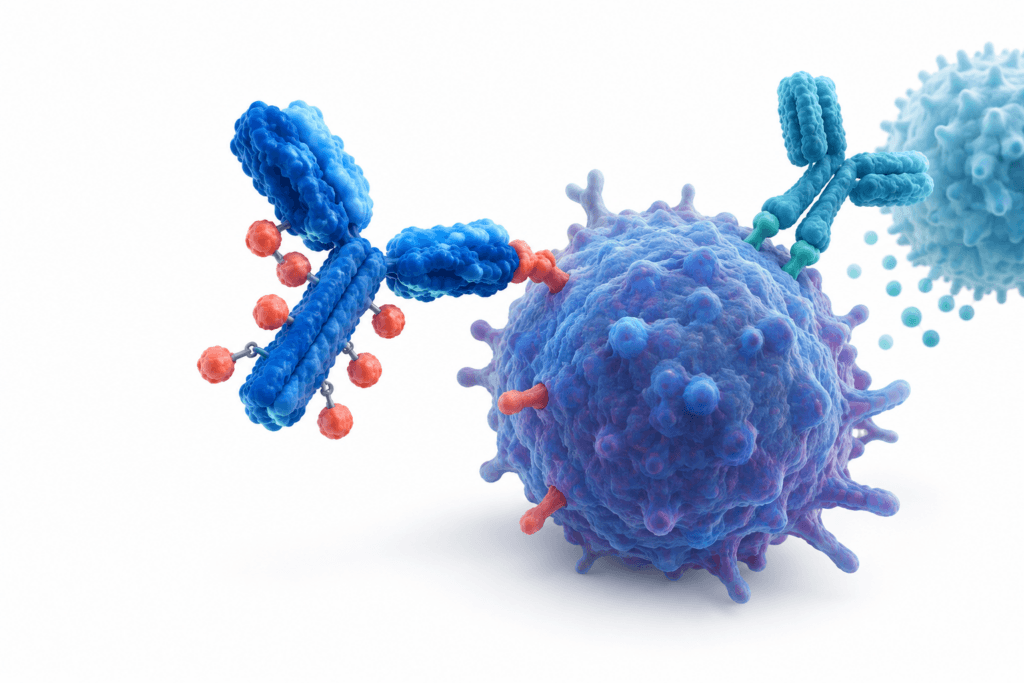
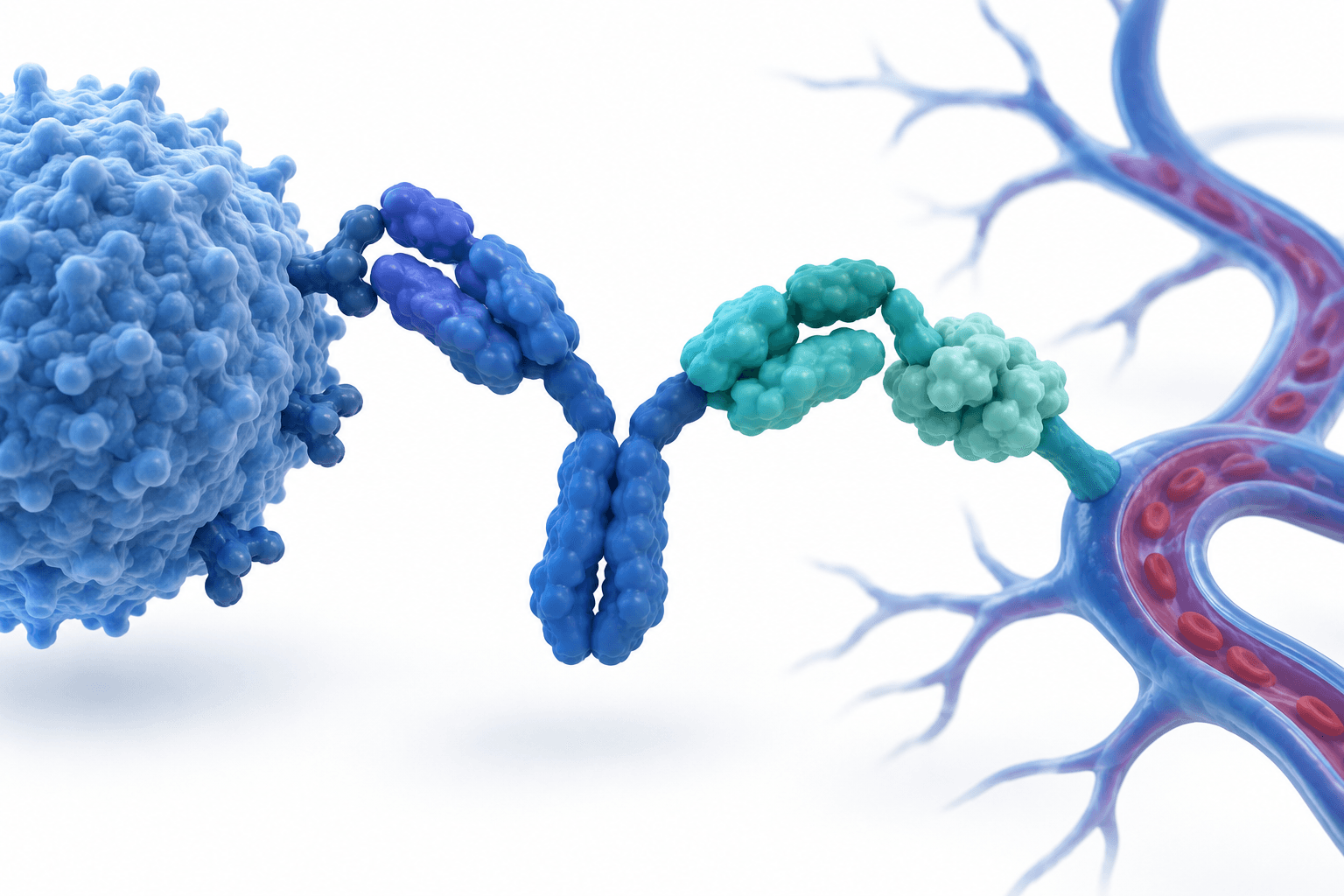
Compass's description of tovecimig's dual-target mechanism explains that the bispecific antibody targets DLL4 and VEGF-A, two pathways involved in blood-vessel formation. The company's pipeline documentation provides product background, rather than verification of the newly published trial figures.
Tovecimig has received FDA Fast Track and Orphan Drug designations but remains investigational and has not been approved by the agency. Chief Executive Officer Thomas Schuetz said Compass would continue working with the FDA toward bringing the treatment to patients.
Additional COMPANION-002 analyses, including patient-reported quality of life and translational research, are ongoing and will be reported separately. The announcement did not provide a release date for those findings.
Conclusion
The published Tovecimig results support improved response and progression-free survival, but leave overall survival benefit unproven and show higher rates of severe adverse events. The next announced follow-up is the separate reporting of ongoing quality-of-life and translational analyses; no timing was specified.
Read More News
Disclaimer
This FinanceVelix article provides general information, not personalized financial, investment, legal, or tax advice. Market prices, interest rates and economic conditions can change; investments carry a risk of loss. Facts reflect the material available when published and may change. Check important information independently and consult a qualified professional when needed. Mentioning an asset, company, or service is not an endorsement.