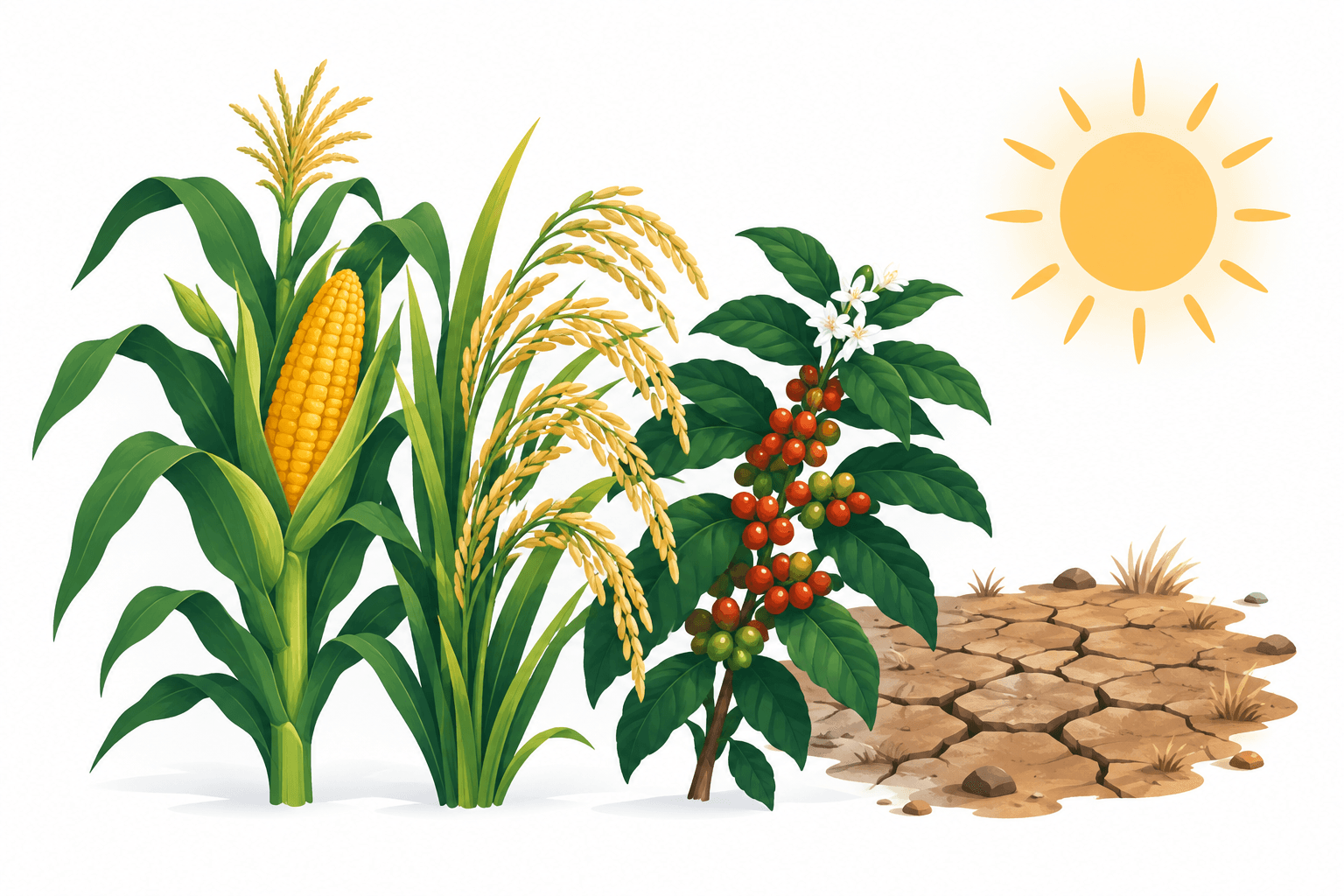
El Nino crop risks are rising across Southern Africa, Central America and Southeast Asia, where drought could threaten production of maize, rice, coffee and palm oil, research firm BMI said on October 27, 2026.
Key Takeaways
- The USDA expects the 2026–27 El Nino to strengthen significantly into early 2027.
- BMI sees thinner domestic crop buffers in Southeast Asia than in Southern Africa.
- Global rice stocks could limit the risk of another price spike, the firm said.
Where El Nino crop risks are greatest
BMI, a Fitch Solutions unit, said the weather pattern is likely to raise drought risk most in Southern Africa, Central America, northern South America and Southeast Asia. In past El Nino events, the share of cropland exposed to high-intensity drought rose by an average of 11–12 percentage points across those regions, it said.
In Southern Africa, the concern centres on white maize, a regional staple. In Central America’s Dry Corridor, subsistence maize and beans, as well as coffee, are exposed, potentially threatening rural incomes and food security.
Southeast Asia faces risks to rice, Thai sugar, Indonesian and Malaysian palm oil, and Vietnamese robusta coffee. BMI said past El Nino events exposed around 90 million more people in the region to drought on average.
Food stocks offer uneven protection
Rebuilt maize stocks should limit food inflation risks in Southern Africa this season, BMI said. Southeast Asia has thinner domestic buffers, although well-stocked global rice markets reduce the risk of a repeat of the 2023–24 price spike.
Rice stocks have fallen below 2023 levels in Thailand, Vietnam and the Philippines, BMI said. It identified the Philippines as particularly exposed to higher prices because it imports around a third of its rice.
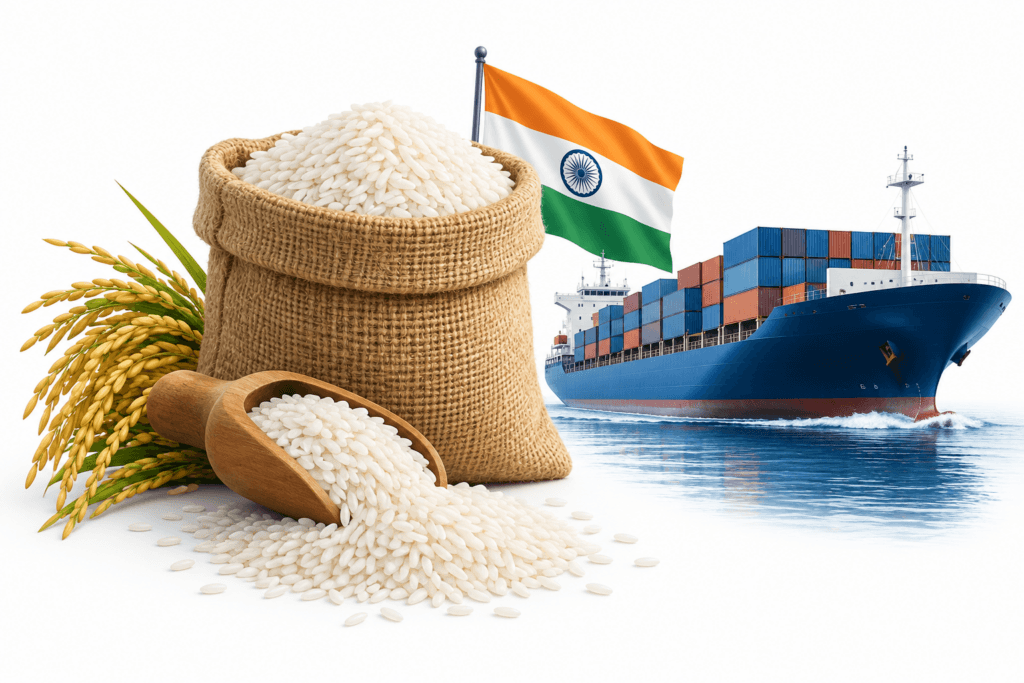
BMI said India accounts for 39% of world rice exports and holds record stocks equal to 47% of consumption, compared with 30% before 2023–24. It said those stocks make a repeat of the pre-emptive export curbs that contributed to the earlier price spike less likely.
Production and food security concerns
The US Department of Agriculture said the 2026–27 El Nino developed in mid-2026 and is projected to strengthen significantly into early 2027. It identified uneven monsoon rainfall in India as affecting wheat, rice and sugarcane, and said Thailand could see lower sugarcane yields and reduced sugar extraction because of rainfall deficits.
The UN Food and Agriculture Organization has called for anticipatory action to protect harvests and livelihoods. Its senior emergency and rehabilitation officer, Dunja Dujanovic, said the weather event is occurring against a backdrop of already high food insecurity in many affected areas.
Read More News
Disclaimer
This FinanceVelix article provides general information, not personalized financial, investment, legal, or tax advice. Market prices, interest rates and economic conditions can change; investments carry a risk of loss. Facts reflect the material available when published and may change. Check important information independently and consult a qualified professional when needed. Mentioning an asset, company, or service is not an endorsement.



Comments
Be respectful. No spam, impersonation or private credentials. Ordinary posts and comments appear immediately; suspicious links are held for review.
Please wait…