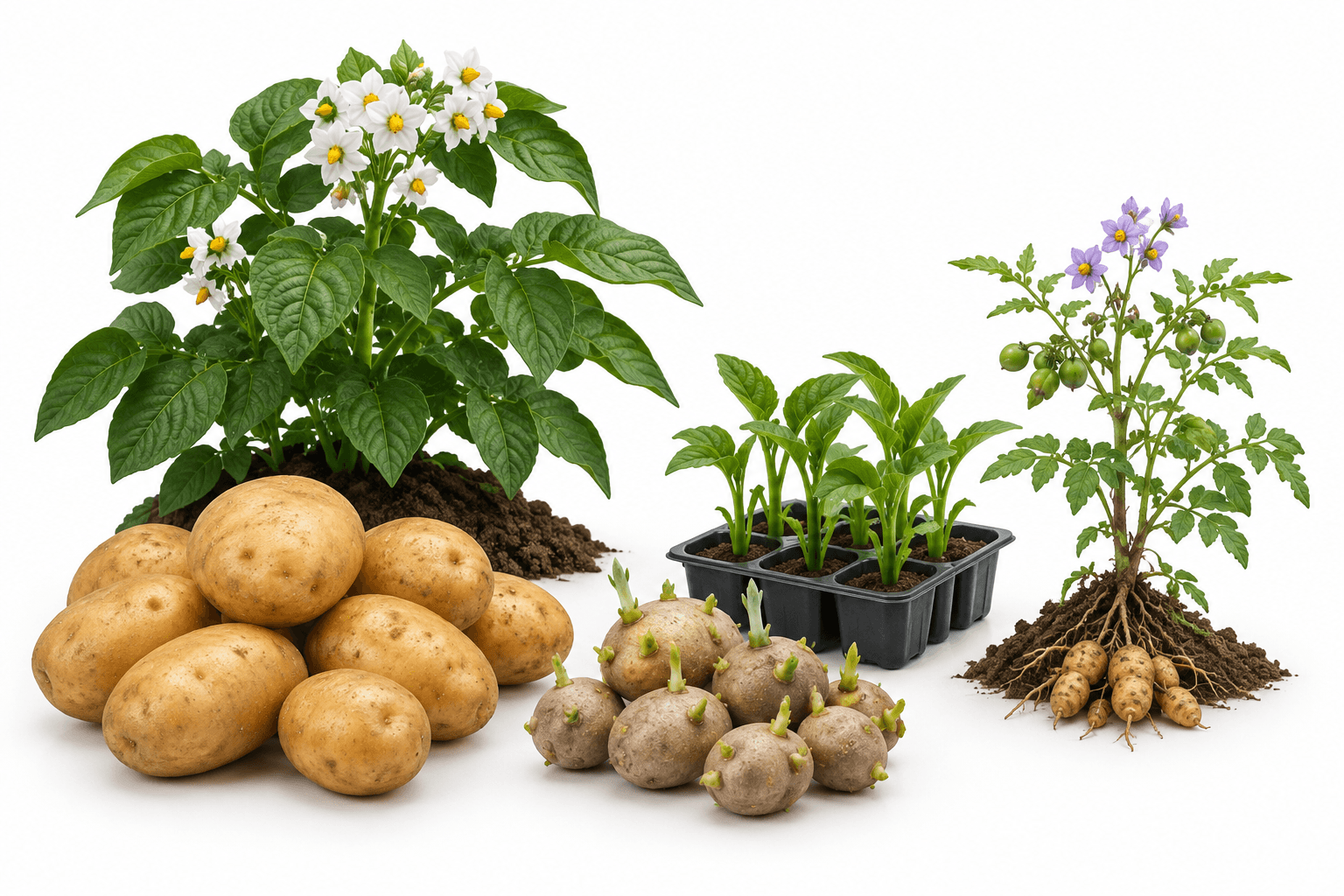
A new Kenya potato breeding project will test material with traits from wild potato relatives and build seed distribution links, aiming to release at least one commercial variety suited to tougher growing conditions. The Crop Trust announced the new phase of its BOLD project on October 27, 2026, with the International Potato Center leading the Kenya-focused work.
Key Takeaways
- The project will advance 54 promising potato materials through breeding and testing.
- It plans to involve 500 to 1,000 farmers directly in trials and demonstrations, more than half of them women.
- A new variety remains a goal, not a completed release; seed production and distribution also need to be developed.
Kenya potato breeding moves to testing
The Biodiversity for Opportunities, Livelihoods and Development project, known as BOLD, will use potato diversity with traits from wild relatives originating in South America. Researchers are targeting resistance to late blight and potato cyst nematodes, as well as tolerance to heat.
The 54 materials, carried forward from the project's previous phase, will be tested across multiple locations. Researchers will also use genomic tools and farmer participation to identify candidates that suit different growing conditions and market needs.
The target is at least one variety in Kenya that combines disease resistance and strong agricultural performance with qualities valued by farmers, consumers and markets. No release date was announced.
Seed access is part of the plan
The project aims to address a gap between developing a variety and getting quality seed to farmers. It will bring together breeders, research programs, seed producers, regulators, farmers and private companies.
The Kenya Agricultural and Livestock Research Organization will play a central role in breeding and advancing varieties. The project also plans to work with the Agricultural Development Corporation's Seed Potato Complex at Molo in Nakuru County to develop a hub for early-generation seed, linked to seed multipliers and youth-led enterprises.
The stakes for farmers
Potatoes are Kenya's second most important staple after maize, supporting 3.3 million jobs and contributing about $324 million to the economy each year. Potato cyst nematodes can cut yields by up to 80% and cost Kenya more than $127 million annually, the project announcement said.
The work builds on an earlier Crop Trust and International Potato Center collaboration that contributed to the release of two late-blight-resistant varieties in Peru. The East African project will also engage a regional breeding network to make its potato diversity available for testing by national teams in other African countries.
Read More News
Disclaimer
This FinanceVelix article provides general information, not personalized financial, investment, legal, or tax advice. Market prices, interest rates and economic conditions can change; investments carry a risk of loss. Facts reflect the material available when published and may change. Check important information independently and consult a qualified professional when needed. Mentioning an asset, company, or service is not an endorsement.




Comments
Be respectful. No spam, impersonation or private credentials. Ordinary posts and comments appear immediately; suspicious links are held for review.
Please wait…