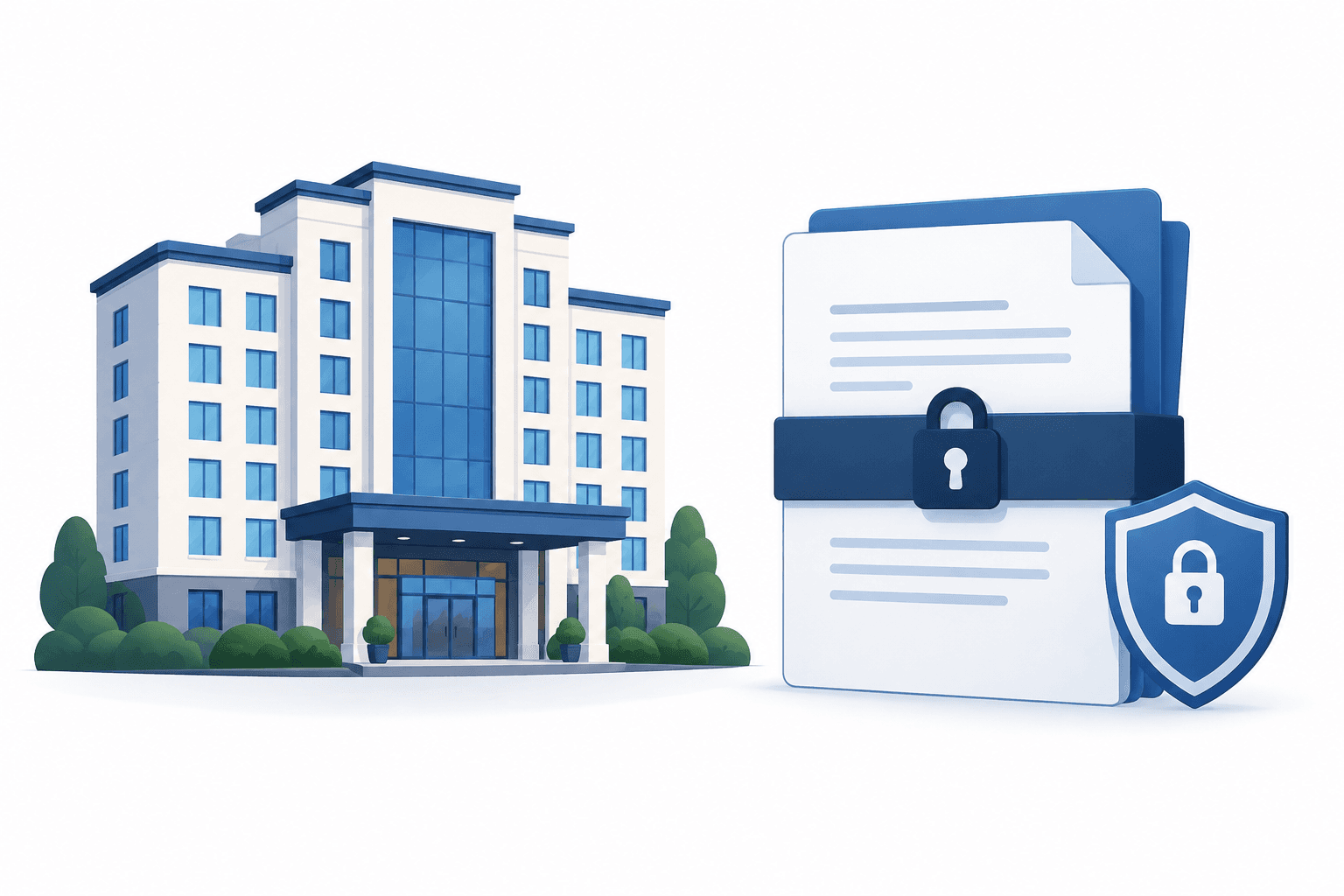
India’s Central Information Commission has upheld the denial of a request for the Ashok Hotel report on structural safety, finding that sensitive building details could expose security vulnerabilities. The decision was reported on October 26, 2026.
Key Takeaways
- The applicant sought the IIT Roorkee assessment, its findings and related correspondence.
- The commission said security concerns outweighed the general interest in disclosure and rejected partial release.
Why the Ashok Hotel report was withheld
Information Commissioner Sudha Rani Relangi cited the Delhi hotel’s proximity to government and diplomatic establishments and its use for national and international events.
The India Tourism Development Corporation (ITDC), which sponsored the study, said the hotel hosts meetings, conferences and summits attended by protected persons, government officials and diplomatic representatives. It also pointed to nearby embassies, high commissions, state government buildings and the Prime Minister’s residence.
The commission said detailed layouts showing access points, emergency exits, vital installations and refuge areas could expose vulnerabilities and affect the safety of people in and around the property.
What the applicant requested
The Right to Information applicant sought the Indian Institute of Technology Roorkee report and its findings, any amendments or corrigenda, and correspondence between the institute and ITDC about the assessment. The applicant argued that disclosure was in the larger public interest because of concerns about the hotel’s structural strength.
IIT Roorkee and ITDC opposed disclosure, saying the report contained detailed drawings and information about structural features and security-sensitive facilities. ITDC is a central public-sector enterprise under the administrative control of India’s Tourism Ministry.
Exemptions and partial disclosure
The commission held that the RTI Act exemption for information whose disclosure could endanger a person’s life or physical safety applied to sensitive details. It also found that exemptions concerning state security and strategic interests, and commercial confidence, applied to relevant information.
The commission rejected partial release under the act’s severability provision. It said the sensitive drawings and related details could not be meaningfully separated without compromising protected information or making the report substantially unintelligible. It disposed of the second appeal without interfering with the denial.
Read More News
Disclaimer
This FinanceVelix article provides general information, not personalized financial, investment, legal, or tax advice. Market prices, interest rates and economic conditions can change; investments carry a risk of loss. Facts reflect the material available when published and may change. Check important information independently and consult a qualified professional when needed. Mentioning an asset, company, or service is not an endorsement.




Comments
Be respectful. No spam, impersonation or private credentials. Ordinary posts and comments appear immediately; suspicious links are held for review.
Please wait…