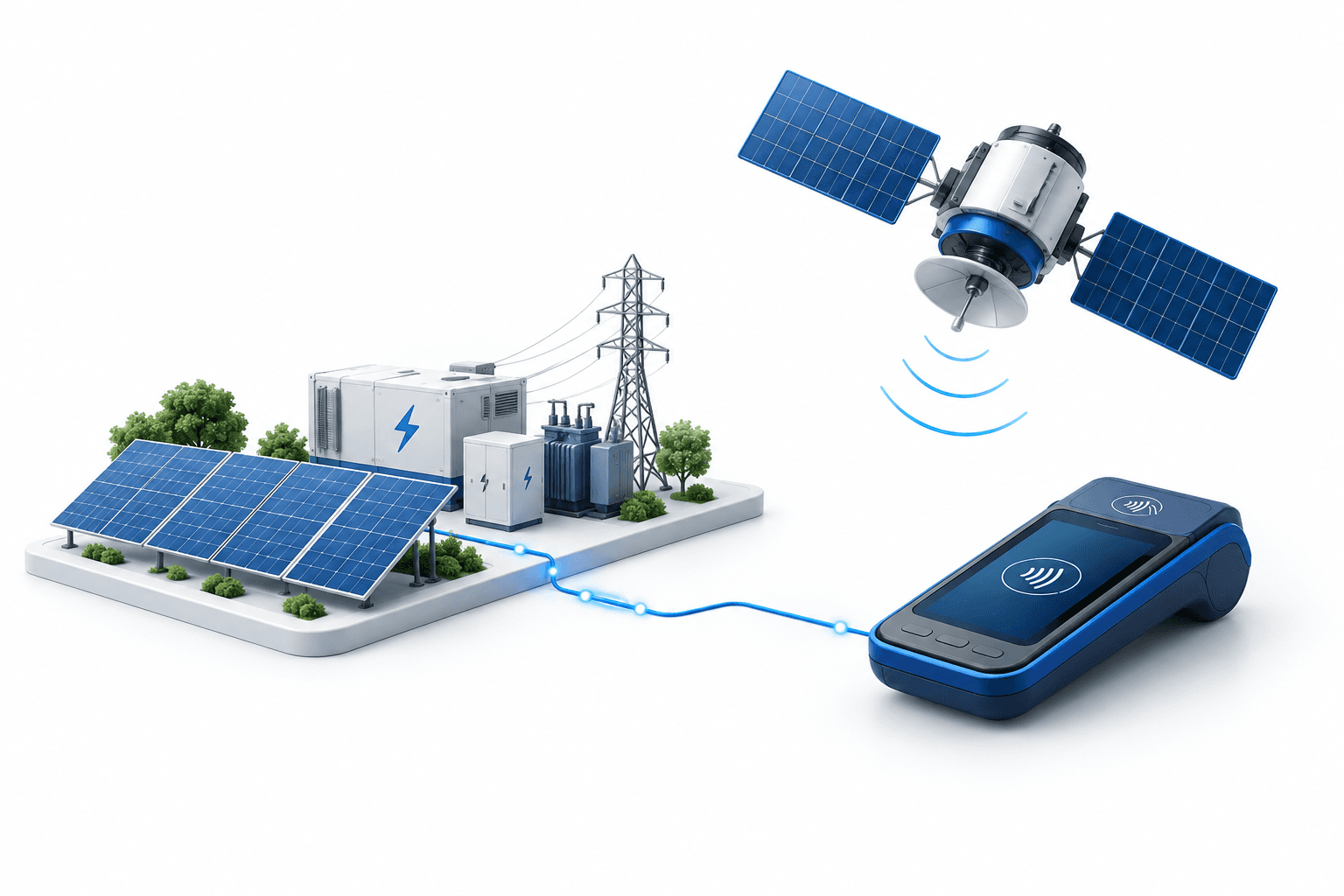
Hitachi India R&D is expanding its research into peer-to-peer energy trading and autonomous space systems, as the company explores uses for artificial intelligence beyond cloud-based computing.
Key Takeaways
- The 40-member centre is working on grid stabilisation and cybersecurity for remotely controlled energy equipment.
- The India team has begun supporting selected space initiatives, focusing on AI and autonomy.
- Fintech research includes compact AI models intended to run on small devices or chips.
Hitachi India R&D expands energy research
Energy is one of the centre’s most important research areas, Kingshuk Banerjee, Hitachi India’s director of research and development, said on October 26, 2026. Its work includes peer-to-peer energy trading, grid stabilisation and cybersecurity for equipment such as remote terminal units.
The centre is also researching AI-led data-centre cooling. Banerjee said AI and digital engineering cut across Hitachi’s energy, mobility and industrial businesses, with applications ranging from power equipment and rail systems to data centres.
Space systems need onboard decisions
Most of Hitachi’s space research is based in Japan, but the India team has begun supporting selected initiatives. Its work primarily concerns AI and autonomy, Banerjee said.
Space systems face limits on energy, bandwidth and computing capacity. An onboard system may therefore need to navigate, make decisions or conduct experiments without consulting ground stations. Banerjee said safety and keeping autonomous systems within their intended purpose are priorities.
Payments and research productivity
The centre is also researching agentic and frictionless payments, including compact AI models that can run on a device or chip and understand local languages, pronunciation and regional accents. Hitachi works with Indian banks on areas including dispute management and proactive assistance.
Banerjee said some technologies from the centre have been commercialised, while others are moving toward commercialisation. He also said coding assistance can, in some cases, reduce the time needed to assemble a prototype from three months to a few hours, allowing researchers to test more ideas.
Read More News
Disclaimer
This FinanceVelix article provides general information, not personalized financial, investment, legal, or tax advice. Market prices, interest rates and economic conditions can change; investments carry a risk of loss. Facts reflect the material available when published and may change. Check important information independently and consult a qualified professional when needed. Mentioning an asset, company, or service is not an endorsement.




Comments
Be respectful. No spam, impersonation or private credentials. Ordinary posts and comments appear immediately; suspicious links are held for review.
Please wait…