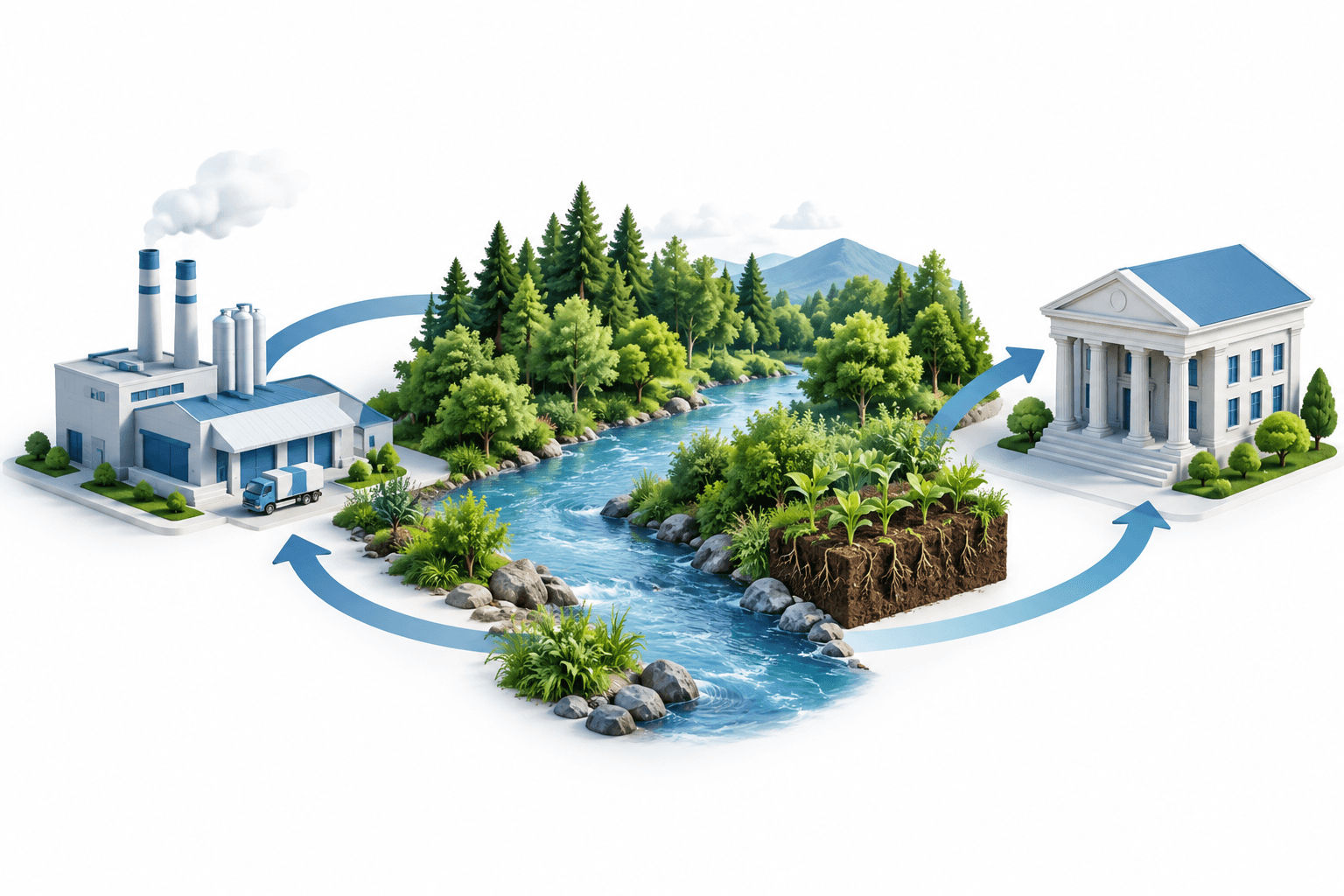
Nature-related risks threaten economic output and financial stability, European Central Bank executive Frank Elderson said on October 26, 2026, calling for more public and private investment to protect and restore ecosystems.
Key Takeaways
- ECB analysis shows that 75% of euro area corporate lending goes to companies highly dependent on at least one ecosystem service.
- Research involving the ECB found that a one-in-100-year drought could put up to 24% of euro area economic output at risk.
- Elderson said banks are expected to identify and manage material nature-related risks, alongside climate risks.
Nature-related risks reach company balance sheets
Speaking at the COP17 Finance and Biodiversity Day in Yerevan, Elderson said ecosystem damage can raise costs, reduce productivity and disrupt supply chains. Those effects can then spread to company balance sheets and the financial system.
ECB analysis shows that 72% of euro area companies depend on at least one ecosystem service, such as the provision of water or the support of healthy soils. Elderson said protecting those natural assets should be treated as an investment in economic resilience rather than simply an expense.
Water shortages and floods threaten output
Elderson pointed to heat-exacerbated drought conditions across Europe during the summer of 2026. Low levels on major rivers disrupted supply chains and affected energy production, he said.
Research involving the ECB, the London School of Economics and Oxford University found that a one-in-100-year drought event could put up to 24% of euro area economic output at risk. Separately, nearly 12% of output faces risks from insufficient flood protection.
The figures describe output exposed to risk, not a forecast of the losses that would occur. Elderson also said sufficiently widespread or persistent water-related impacts could affect growth and inflation.
Bank supervision and financing
Elderson, who is also vice-chair of the ECB’s Supervisory Board, said supervisors expect banks to identify and manage material nature-related risks. He said an updated ECB compendium of good practices shows that banks are increasingly doing so, with around one-third of the practices relating specifically to nature.
He also called for nature-related financial risks to remain on the agenda of international bodies, including the Basel Committee, the Financial Stability Board and the International Monetary Fund. Greater private capital flows alongside public finance are needed to protect and restore natural assets, he said.
Read More News
Disclaimer
This FinanceVelix article provides general information, not personalized financial, investment, legal, or tax advice. Market prices, interest rates and economic conditions can change; investments carry a risk of loss. Facts reflect the material available when published and may change. Check important information independently and consult a qualified professional when needed. Mentioning an asset, company, or service is not an endorsement.



Comments
Be respectful. No spam, impersonation or private credentials. Ordinary posts and comments appear immediately; suspicious links are held for review.
Please wait…