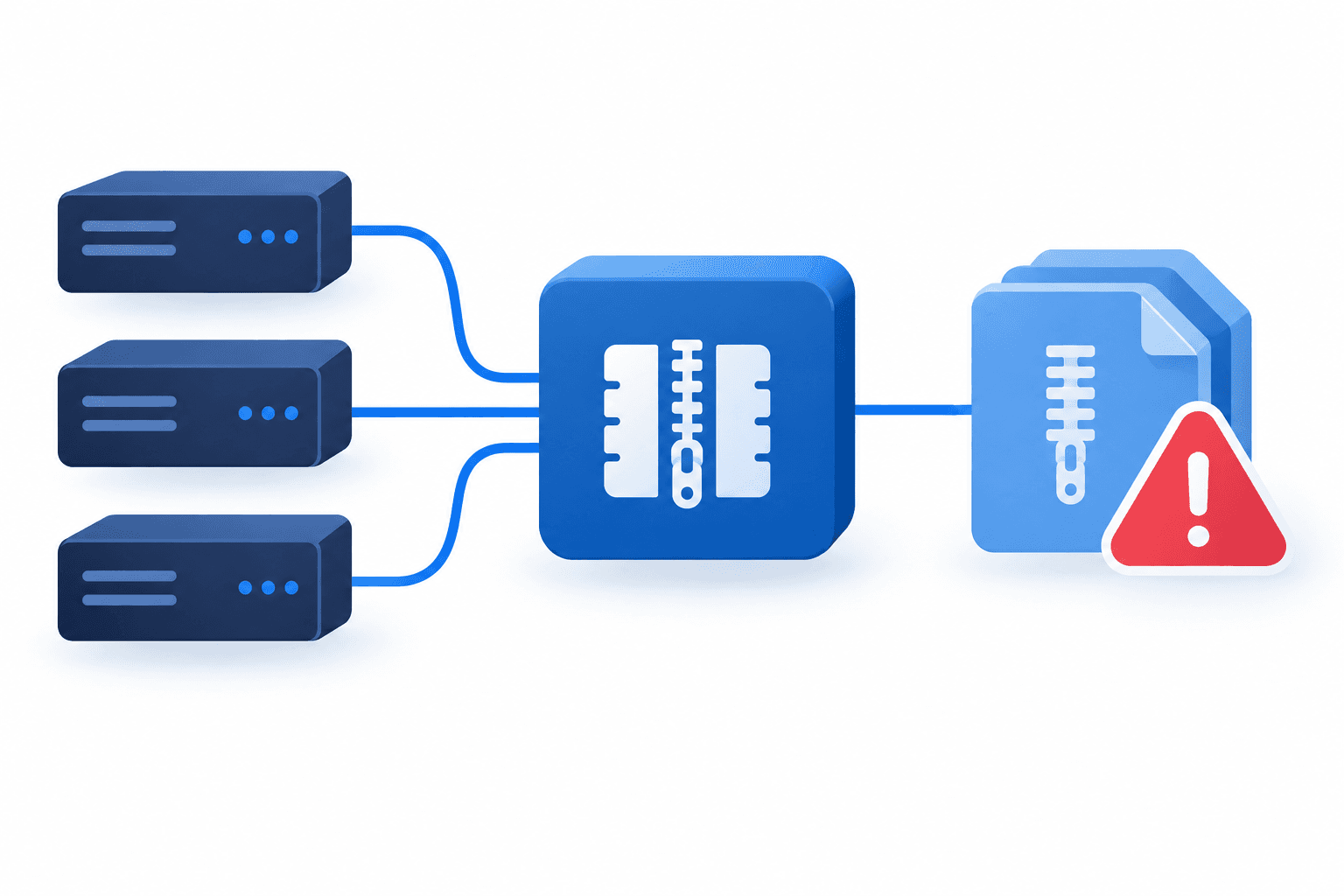
The Node2Shell vulnerability extends beyond its original C implementation to a Go Brotli compression library used by several HTTP projects, Sweet Security said on October 25, 2026. The security company identified a fix pushed to the Go library on October 23.
Key Takeaways
- Traefik, Fiber, Iris and fasthttp have dependencies on the affected library.
- A dependency alone does not establish whether an application is vulnerable; versions and configuration matter.
How the Node2Shell vulnerability reaches Go projects
Sweet Security engineer Tomer Ben Gera identified the Go library fix alongside the remediation for the original C implementation. The company said its analysis found that the underlying memory-management flaw had also been replicated in Go.
The affected library is used directly or indirectly by several Go HTTP projects. Fiber’s dependency, for example, runs through fasthttp in version 2.52.9, where client-controlled compressed request bodies could create a path to the vulnerability.
| Item | Details |
|---|---|
| Traefik | Direct dependency used by Compress middleware to encode outgoing Brotli responses. |
| Fiber | Indirect dependency through fasthttp in version 2.52.9; request-body decoding is exposed through Ctx.Body() and JSON BodyParser. |
| Iris | Direct dependency with support for response encoding and request decoding. |
| fasthttp | Direct dependency through version 1.73.0; migrated to an alternative in version 1.74.0. |
What security teams should check
Sweet Security said exposure depends on the library version, whether an application uses Brotli encoding or decoding, and its configuration. It advised organizations to inventory Go-based HTTP services, check library versions against patched releases and assess whether decoding of client-controlled Brotli input is enabled.
The company also recommended monitoring runtime behavior for possible signs of exploitation, including unexpected process execution, unusual outbound connections and abnormal memory behavior in HTTP worker processes. It cautioned that scanners relying on known installation paths and package registries may miss vulnerable libraries.
Read More News
Disclaimer
This FinanceVelix article provides general information, not personalized financial, investment, legal, or tax advice. Market prices, interest rates and economic conditions can change; investments carry a risk of loss. Facts reflect the material available when published and may change. Check important information independently and consult a qualified professional when needed. Mentioning an asset, company, or service is not an endorsement.




Comments
Be respectful. No spam, impersonation or private credentials. Ordinary posts and comments appear immediately; suspicious links are held for review.
Please wait…