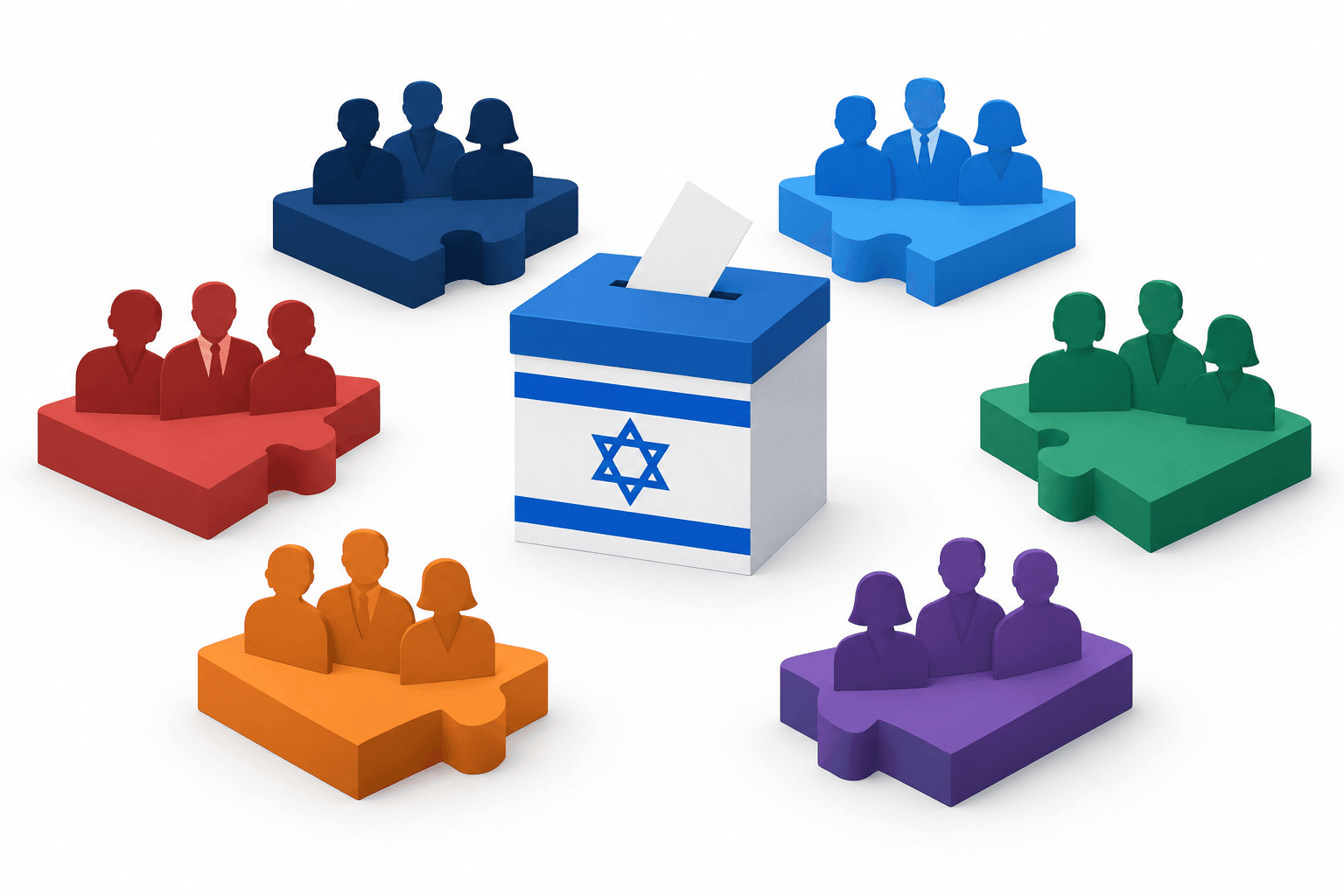
The Israel election on October 27, 2026, will test whether either of the country’s two main political blocs can assemble a governing coalition in a fragmented 120-seat Knesset.
Key Takeaways
- Benjamin Netanyahu and former military chief Gadi Eisenkot lead the rival blocs.
- Smaller, unaligned parties could be important to forming the next government.
- The Supreme Court overturned election committee bans on two Arab-majority lists.
Israel election coalition contest
No single party holds a majority in the Knesset. Political analyst Dan Steinbock describes the contest as a rivalry between a Netanyahu-led bloc and an opposing bloc led by Eisenkot.
Steinbock says polling suggests each major bloc could attract about 50 seats, leaving smaller unaligned groups with a potentially decisive role in coalition formation. The source does not identify a specific poll or polling date for those estimates.
Arab parties and the ballot
The Central Elections Committee voted to bar the Arab-majority Ra’am and Joint List from the election, but the Supreme Court overturned those bans, allowing both to contest the vote.
The court was inclined to disqualify Balad leader Sami Abu Shehadeh, who subsequently withdrew.
Read More News
Disclaimer
This FinanceVelix article provides general information, not personalized financial, investment, legal, or tax advice. Market prices, interest rates and economic conditions can change; investments carry a risk of loss. Facts reflect the material available when published and may change. Check important information independently and consult a qualified professional when needed. Mentioning an asset, company, or service is not an endorsement.



Comments
Be respectful. No spam, impersonation or private credentials. Ordinary posts and comments appear immediately; suspicious links are held for review.
Please wait…