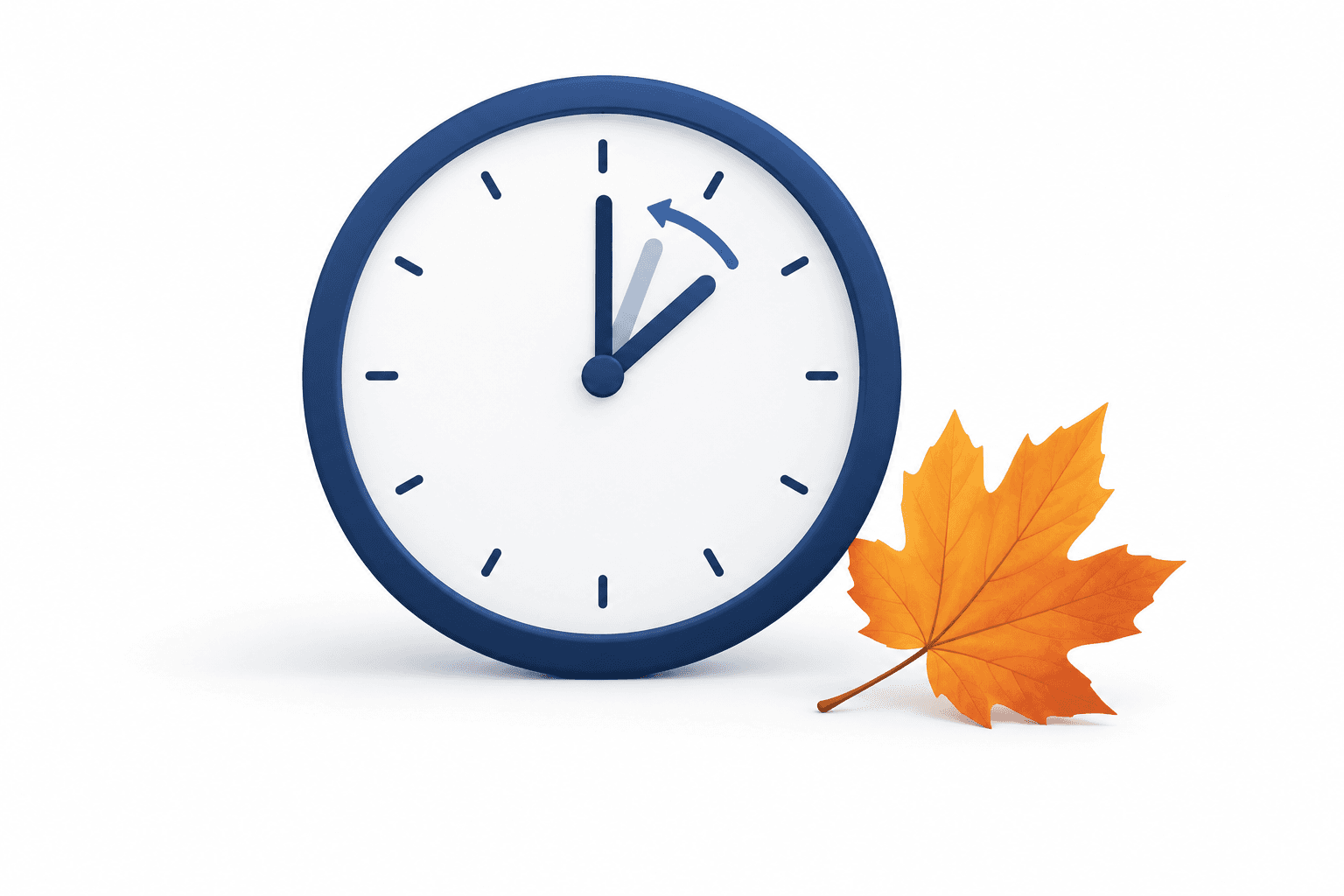
Daylight saving time ends across most of the United States at 2 a.m. local time on Sunday, November 1, 2026, when clocks move back one hour to 1 a.m. The change follows Halloween night and marks the return to standard time.
Key Takeaways
- Clocks will move back one hour in most of the US, providing an extra hour overnight.
- A bill to make daylight saving time permanent passed the House but remains stalled in the Senate.
Daylight saving time and the proposed law
Under current federal law, daylight saving time begins on the second Sunday in March and ends on the first Sunday in November. In 2026, it began on March 8.
The Sunshine Protection Act seeks to end the twice-yearly clock change by making daylight saving time permanent. The House passed the bill in July by a vote of 301–117, but the Senate has not passed it, so the existing schedule remains in place.
President Donald Trump has urged lawmakers to pass the measure. In an October 2 post, he argued that the clock changes are costly, stressful and unpopular.
Where clocks do not change
Hawaii and most of Arizona remain on standard time year-round, although the Navajo Nation observes daylight saving time. American Samoa, Guam, the Northern Mariana Islands, Puerto Rico and the US Virgin Islands also remain on standard time.
Halloween falls on Saturday, October 31, in 2026. The clock change takes place early the following morning, bringing earlier sunsets and more morning daylight as winter approaches.
Read More News
Disclaimer
This FinanceVelix article provides general information, not personalized financial, investment, legal, or tax advice. Market prices, interest rates and economic conditions can change; investments carry a risk of loss. Facts reflect the material available when published and may change. Check important information independently and consult a qualified professional when needed. Mentioning an asset, company, or service is not an endorsement.



Comments
Be respectful. No spam, impersonation or private credentials. Ordinary posts and comments appear immediately; suspicious links are held for review.
Please wait…