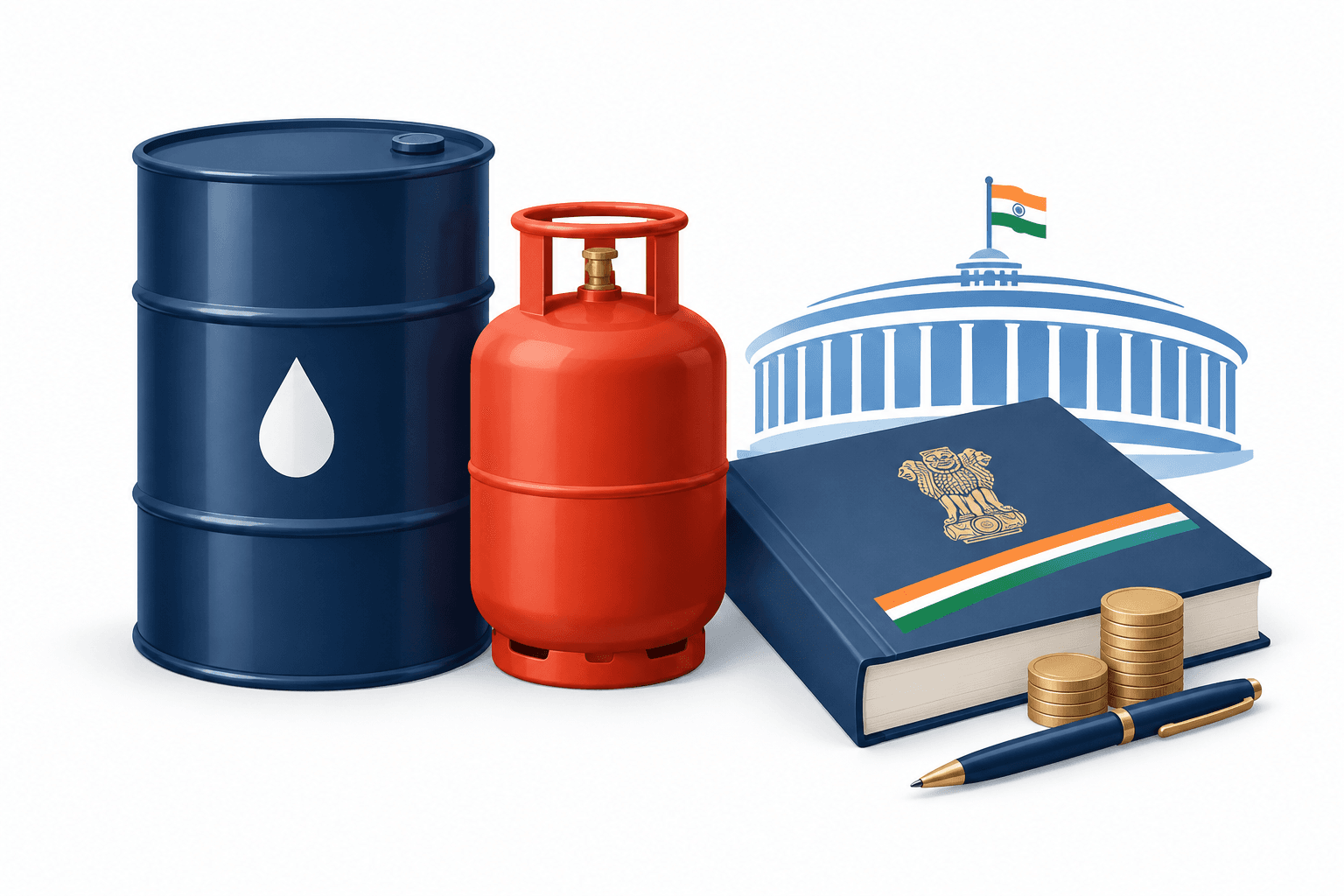
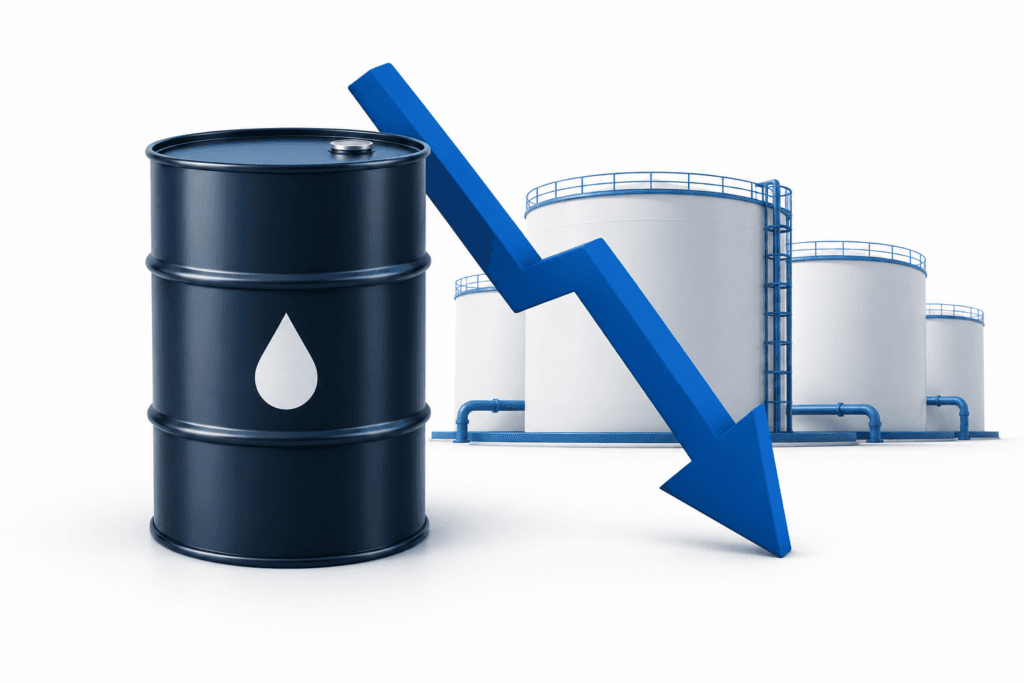
Brent crude was nearing $120 a barrel as of October 25, 2026, raising concerns about inflation and subsidy costs in India. Economists said stronger government revenue and other fiscal resources could help offset some of the pressure.
Key Takeaways
- India budgeted ₹1.70 lakh crore for fertilizer subsidies in 2026–27; spending exceeded ₹1.03 lakh crore in the first five months.
- EY India’s D. K. Srivastava estimated that a sustained $20-per-barrel increase above the RBI’s baseline could lower growth and raise inflation.
- Economist Sunil Kumar Sinha said revenue and other buffers could help keep the fiscal deficit near its target.
Brent crude and India’s economic outlook
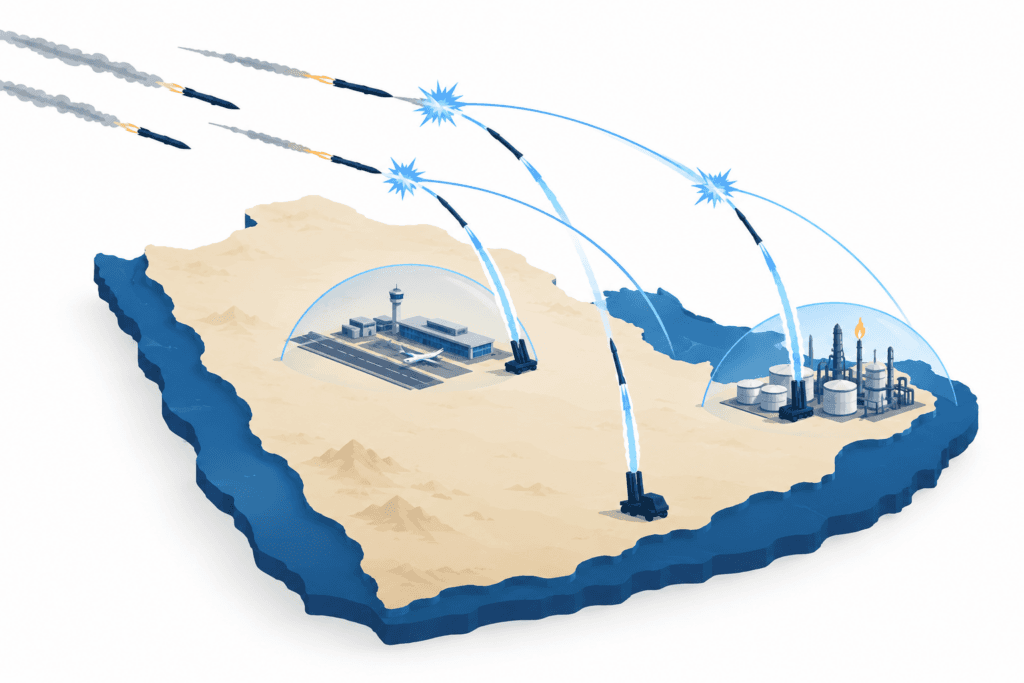
The price was approaching $120 amid escalating Saudi-Houthi tensions. The available price information does not specify the size of Brent’s move or establish how much of it was caused by those tensions.
Srivastava, chief policy adviser at EY India, expects crude to remain between $115 and $120 a barrel for some time amid the West Asia crisis. That is an outlook, not a confirmed future price.
The Reserve Bank of India’s projections for the second half of fiscal 2026–27 assumed crude at $95 a barrel. Srivastava estimated that a sustained $20 increase above that baseline for the rest of the fiscal year could reduce real GDP growth from 7.1% to 7% and raise consumer inflation from 5.2% to 5.7%.
| Item | Details |
|---|---|
| RBI crude assumption | $95 per barrel for its second-half 2026–27 projections |
| Fertilizer subsidy budget | ₹1.70 lakh crore for 2026–27 |
| Fertilizer subsidy spending | More than ₹1.03 lakh crore in the first five months |
| RBI dividend transfer | ₹2.87 lakh crore |
| Fiscal deficit target | 4.3% of GDP for 2026–27 |
Subsidy costs and budget buffers
The Controller General of Accounts put fertilizer subsidy spending above ₹1.03 lakh crore in the first five months of the fiscal year, against a full-year budget estimate of ₹1.70 lakh crore. Domestic LPG cylinder prices have also been raised, but the under-recovery remains around ₹327 per cylinder.
Sinha, a professor at the Institute for Development and Communication, estimated that a possible increase in the fertilizer subsidy could widen the 2026–27 fiscal deficit by 0.4 to 0.5% of GDP. He nevertheless said the government’s 4.3% deficit target still appeared achievable, citing tax collections, asset sales, an RBI dividend and an economic stabilization fund.
D. K. Pant, chief economist at India Ratings & Research, also pointed to higher fuel and fertilizer costs, while saying tax and non-tax receipts and potential proceeds from disinvestment and asset monetization could support the government’s fiscal position.
Read More News
Disclaimer
This FinanceVelix article provides general information, not personalized financial, investment, legal, or tax advice. Market prices, interest rates and economic conditions can change; investments carry a risk of loss. Facts reflect the material available when published and may change. Check important information independently and consult a qualified professional when needed. Mentioning an asset, company, or service is not an endorsement.


Comments
Be respectful. No spam, impersonation or private credentials. Ordinary posts and comments appear immediately; suspicious links are held for review.
Please wait…