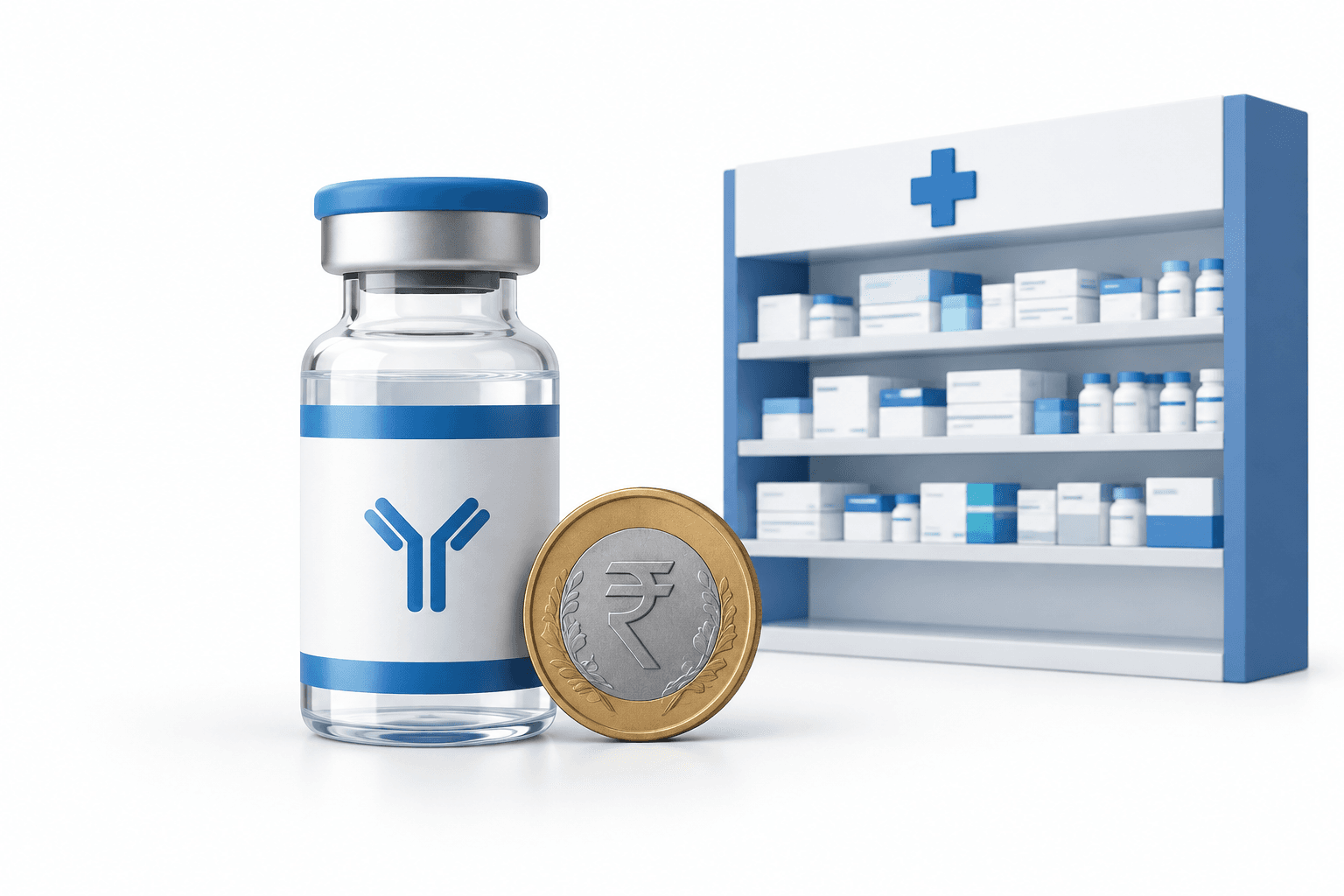
Nivolumab prices in India have fallen from more than Rs 1 lakh per treatment cycle to around Rs 30,000 with the availability of a cheaper biosimilar. Oncologists say prescriptions have risen, though patients’ access to the lower-priced medicine may depend on where hospitals buy and stock it.
Key Takeaways
- One Mumbai oncologist reported prescribing nivolumab more than 50% more often over the past six months.
- Four additional versions are expected to enter the market, but their availability to patients is uncertain.
- A trade-margin cap on 137 anti-cancer medicines is due to take effect on November 8, 2026.
Nivolumab prices and treatment access
Nivolumab is an immune checkpoint inhibitor, a type of medicine that helps the immune system recognize and attack cancer cells. The lower-priced biosimilar offers an alternative to a treatment that had been too expensive for many patients.
Dr Imran Shaikh of Kokilaben Dhirubhai Ambani Hospital in Mumbai said his nivolumab prescriptions had risen by more than 50% over the preceding six months. He said some patients who had been unsure they could afford a cycle costing over Rs 1 lakh were comfortable with the Rs 30,000 price.
A Tata Memorial Centre study found that only 2.8% of patients eligible for immunotherapy received it in 2022. Study co-author Dr Jyoti Bajpai said prescriptions have since risen substantially, although the overall increase has not been quantified.
Why hospital prices remain a concern
More competition could lower prices further, but K M Gopakumar of Third World Network warned that hospitals requiring patients to buy from in-house pharmacies might favor more expensive medicines if those products provide higher margins.
Gopakumar said the price could fall from Rs 30,000 to Rs 10,000 as more versions enter the market, but questioned whether hospitals would stock lower-margin products. That figure is a possibility, not a confirmed future price.
Trade-margin cap and dosing research
The National Pharmaceutical Pricing Authority’s cap on trade margins for 137 anti-cancer medicines is projected to generate Rs 2,500 crore in annual savings. The amount patients actually save will depend on how the controls translate into retail prices and hospital purchasing practices.
Researchers in India have also explored shorter courses and lower-dose regimens as potential ways to reduce costs. Bajpai said combining affordable biosimilars with treatment strategies supported by clinical evidence could improve access.
Next milestone
The next confirmed milestone is the November 8, 2026 effective date for the anti-cancer medicine trade-margin cap.
Read More News
Disclaimer
This FinanceVelix article provides general information, not personalized financial, investment, legal, or tax advice. Market prices, interest rates and economic conditions can change; investments carry a risk of loss. Facts reflect the material available when published and may change. Check important information independently and consult a qualified professional when needed. Mentioning an asset, company, or service is not an endorsement.




Comments
Be respectful. No spam, impersonation or private credentials. Ordinary posts and comments appear immediately; suspicious links are held for review.
Please wait…