Google Cloud began rolling out three OpenAI models in private preview on October 21, 2026, expanding the choices available to enterprise AI customers. Alphabet shares traded at $333.36, down approximately 2.0%, at 9:43 a.m. ET that day; the available information does not establish that the announcement caused the decline.
Key Takeaways
- GPT-6 Astra, GPT-6.1 Sol and GPT-6 Luna are initially available to select enterprise customers.
- OpenAI model purchases count toward existing cloud commitments and Flexible Savings Plans.
- Further integrations are planned, while some additional security features remain forthcoming.
Table of Contents
- Google Cloud expands enterprise model choice
- Billing ties OpenAI usage to existing cloud spending
- Security features and wider access remain in development
- Conclusion
Google Cloud expands enterprise model choice
Google Cloud’s OpenAI model rollout adds the three offerings to Model Garden, a platform with more than 200 first-party, third-party and open models. Access remains a private preview rather than a general release.
Google says customers can select and switch models based on performance, latency and cost without separate vendor contracts. The expansion gives businesses another way to use competing AI models within the same cloud environment, rather than moving each workload to a different provider.
| Item | Details |
|---|---|
| GPT-6 Astra | Designed for demanding coding, computer use, professional tasks and scientific research. |
| GPT-6.1 Sol | Positioned by Google as offering near-Astra intelligence at lower cost. |
| GPT-6 Luna | Positioned as a fast, cost-efficient option for everyday work at scale. |
Billing ties OpenAI usage to existing cloud spending
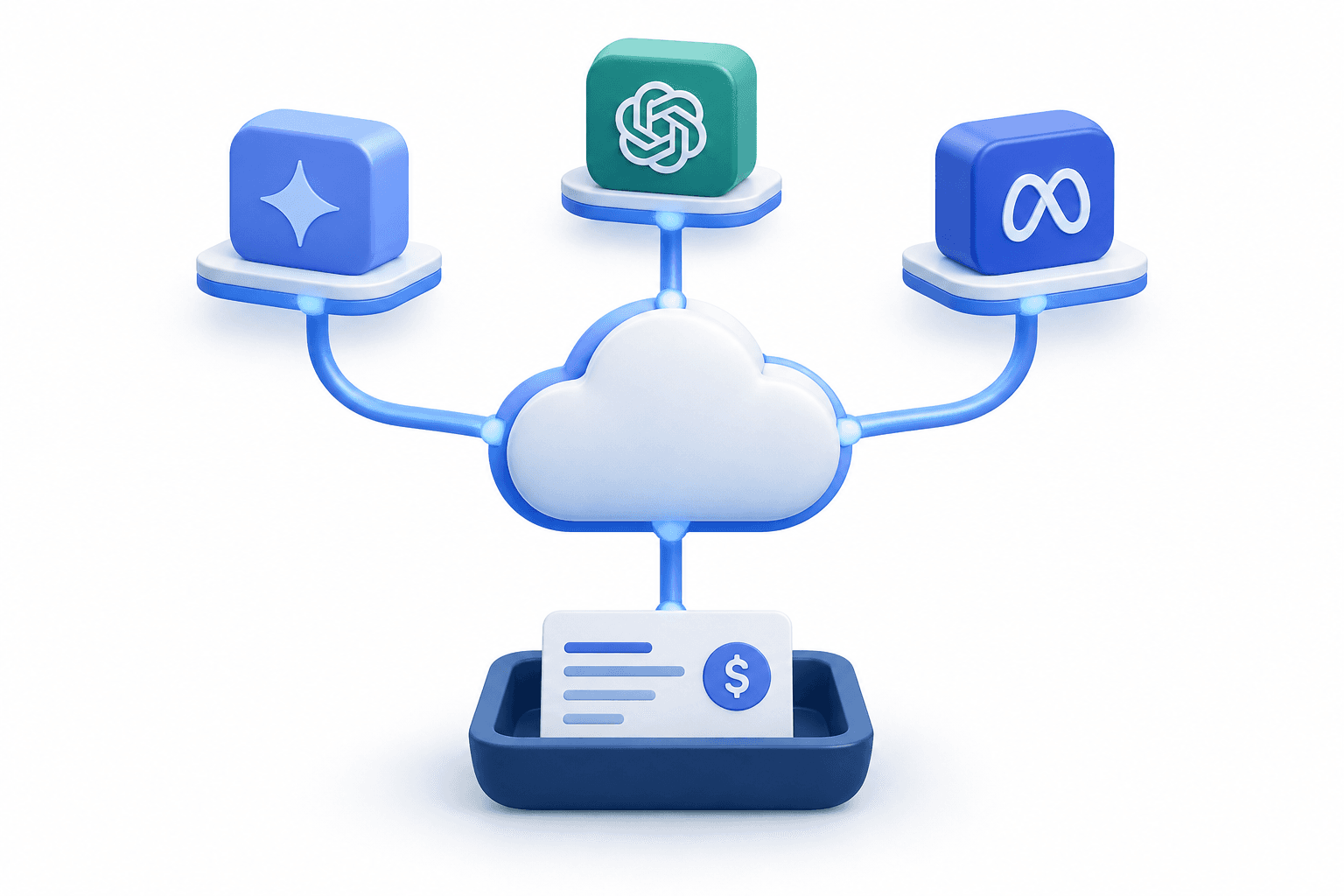
Transactions run through Google Cloud Marketplace, with usage appearing on a single Google Cloud invoice. Spending draws down customers’ existing cloud commitments and counts toward Flexible Savings Plans across model providers.
Those terms give enterprise buyers a practical reason to consolidate AI spending within Google’s platform. For Alphabet, the arrangement creates an opportunity to retain cloud workloads even when customers choose OpenAI models instead of Google’s own offerings. The announcement does not quantify expected revenue or profit from the rollout.
Security features and wider access remain in development
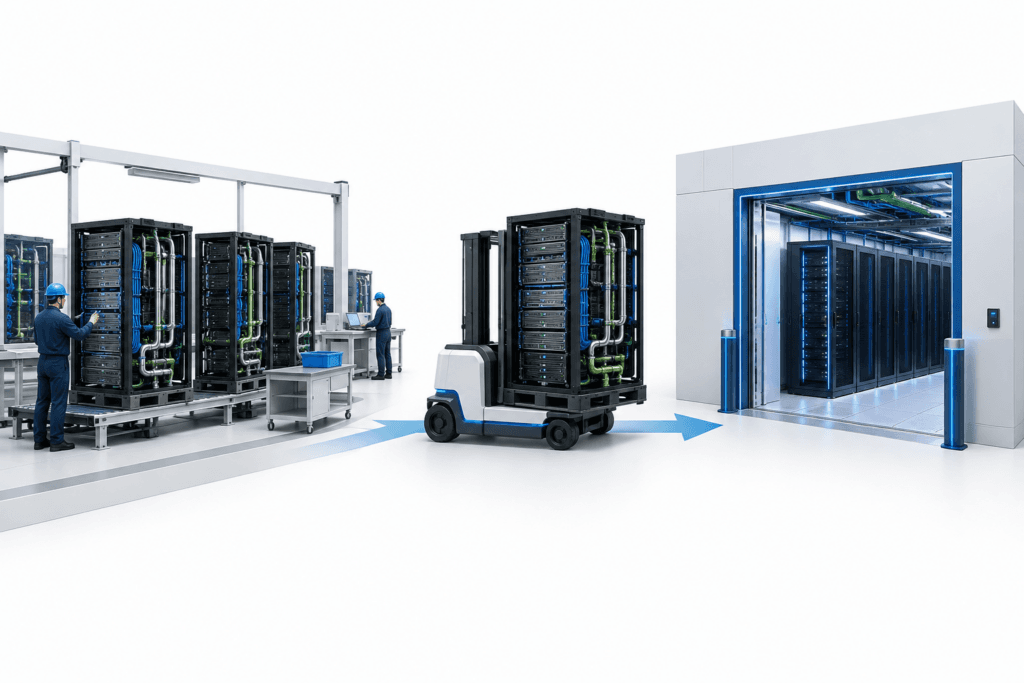
Google says customer prompts, context and outputs stay within designated data perimeters and are not used to train foundation models. It also says OpenAI workloads run on dedicated Google Cloud infrastructure.
Zero Data Retention options and Confidential Compute are described as coming soon, not as features already available in the preview. Google also plans to bring OpenAI models to Gemini for business and Google Antigravity, but supplied no launch dates for those integrations.
Conclusion
The immediate change is broader model access under existing cloud purchasing arrangements. The next announced steps are additional security capabilities and integrations with Gemini for business and Google Antigravity; their timing remains unspecified.
Read More News
Disclaimer
This FinanceVelix article provides general information, not personalized financial, investment, legal, or tax advice. Market prices, interest rates and economic conditions can change; investments carry a risk of loss. Facts reflect the material available when published and may change. Check important information independently and consult a qualified professional when needed. Mentioning an asset, company, or service is not an endorsement.