Apple Pay access faces fresh regulatory pressure after Britain’s Competition and Markets Authority proposed measures on October 20, 2026, to lower fees and remove technical barriers for competing digital wallets. The proposals target rivals’ access to the iPhone’s contactless-payment technology and are not final requirements.
Key Takeaways
- The CMA wants to make it easier for banks, fintech firms and other providers to offer competing wallets.
- Apple says it already provides access and warns that weaker restrictions could undermine privacy and security.
- The consultation closes on November 17, 2026, before the regulator reaches its final decision.
Table of Contents
- Apple Pay access proposal targets fees and technical barriers
- Apple defends its existing access and security controls
- A widely used payment channel raises the stakes
- Conclusion
Apple Pay access proposal targets fees and technical barriers
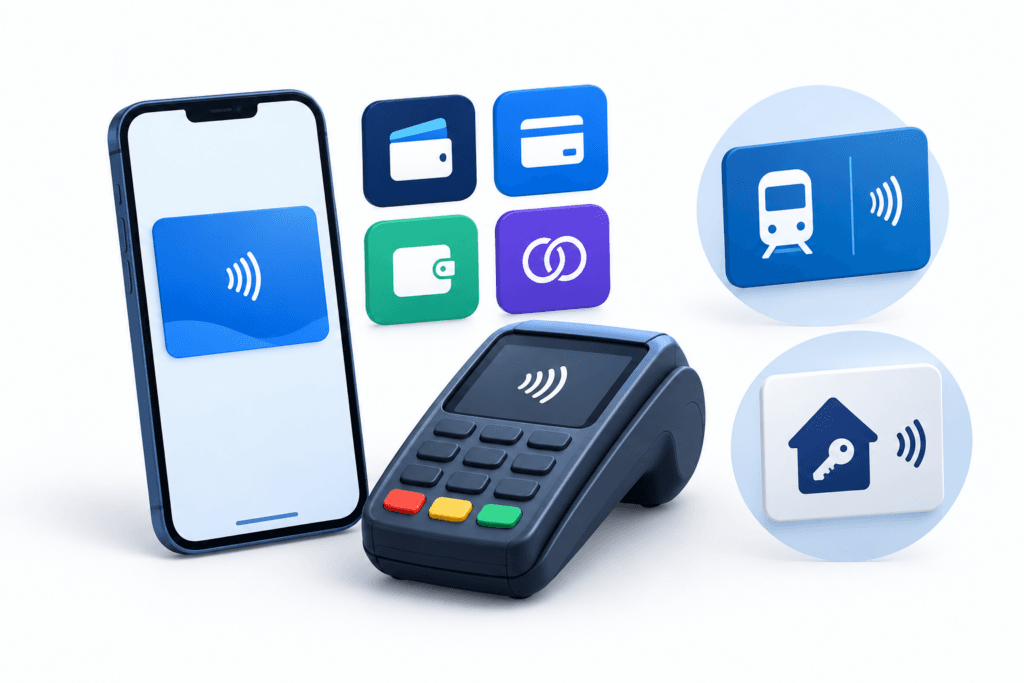
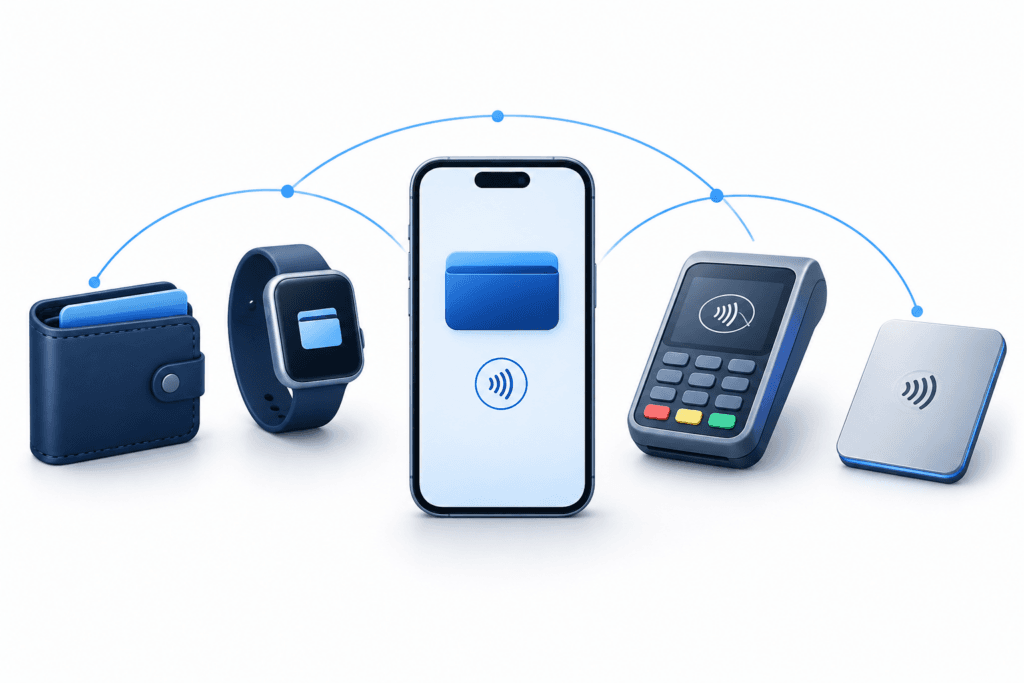
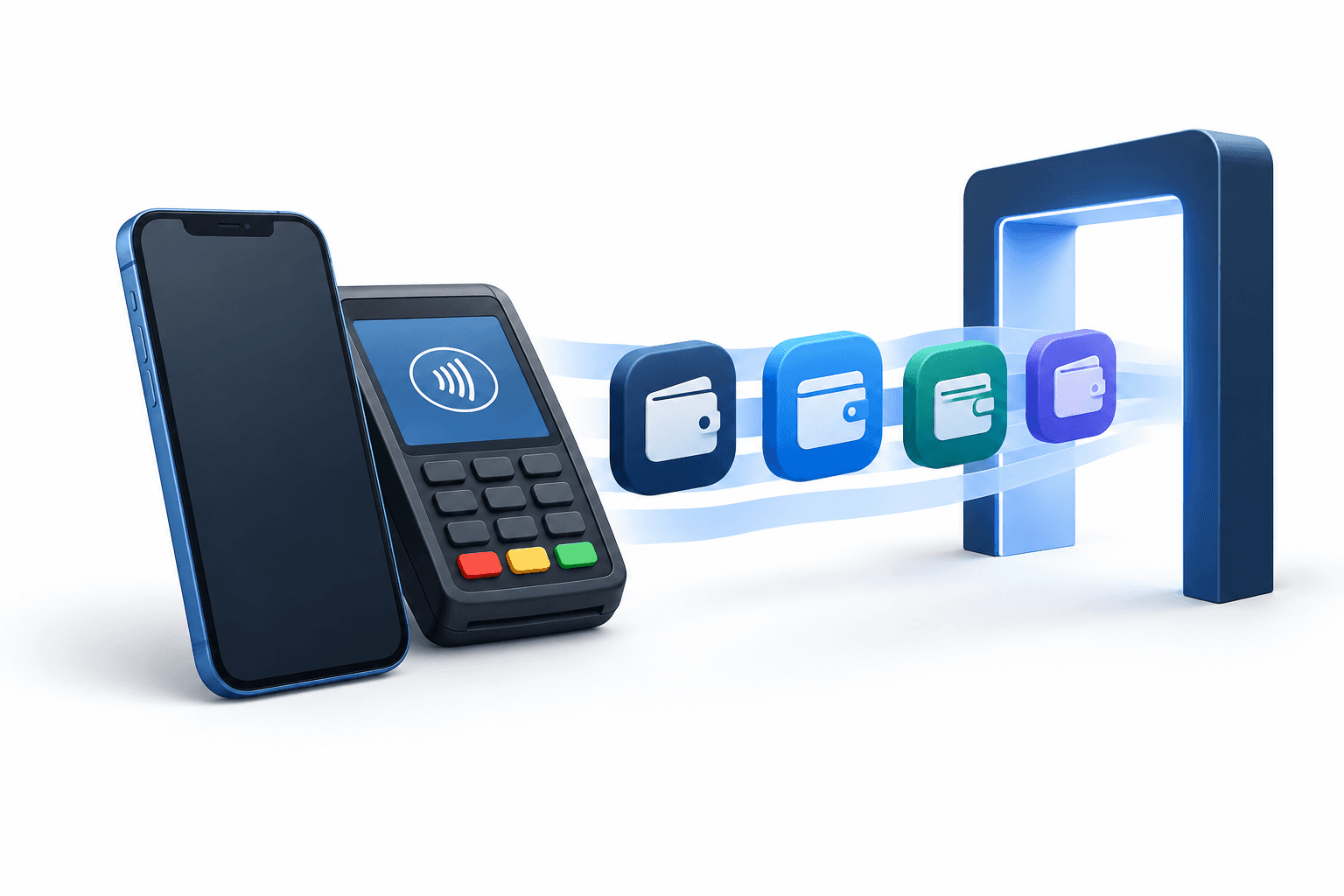
The proposed changes concern the technology behind contactless payments, rather than simply whether a competing wallet app can appear on an iPhone. Lower fees and fewer technical restrictions could make it easier for other providers to challenge Apple Pay.
The CMA's NFC access consultation covers a proposed conduct requirement for Apple’s mobile platform. It follows an evidence-gathering exercise launched on June 30, 2026, and the regulator’s October 2025 decision to designate Apple as having strategic market status in mobile platforms.
For payment providers, the practical question is whether access terms allow them to build competitive services. For consumers, broader wallet choice remains a potential outcome, not a change already implemented.
| Item | Details |
|---|---|
| Contactless share of British payments | 39%, compared with 3% a decade earlier |
| Digital-wallet adoption | More than 60% of adults |
| Technology covered | Near-field communication access on Apple’s mobile platform |
Apple defends its existing access and security controls
Apple argues that developers can already build contactless-payment services using near-field communication, or NFC, and its secure element. The company warns that loosening restrictions could reduce privacy and security protections.
The British proposals are less aggressive than measures introduced by the European Union, which required free access for third-party wallet developers. The distinction matters: reducing the cost of access is not the same as eliminating it.
A widely used payment channel raises the stakes
The consultation concerns a payment channel that has grown substantially in Britain. Digital wallets are now used by a majority of adults, with Apple Wallet the most popular.
For Apple, the issue is both the terms on which rivals enter its payments ecosystem and how much control it retains over that access. The proposal does not establish a financial loss or an implemented change to its business.
Conclusion
The next confirmed milestone is the consultation deadline on November 17, 2026. The CMA’s subsequent final decision will determine whether the proposed access changes become requirements.
Read More News
Disclaimer
This FinanceVelix article provides general information, not personalized financial, investment, legal, or tax advice. Market prices, interest rates and economic conditions can change; investments carry a risk of loss. Facts reflect the material available when published and may change. Check important information independently and consult a qualified professional when needed. Mentioning an asset, company, or service is not an endorsement.